News Summary
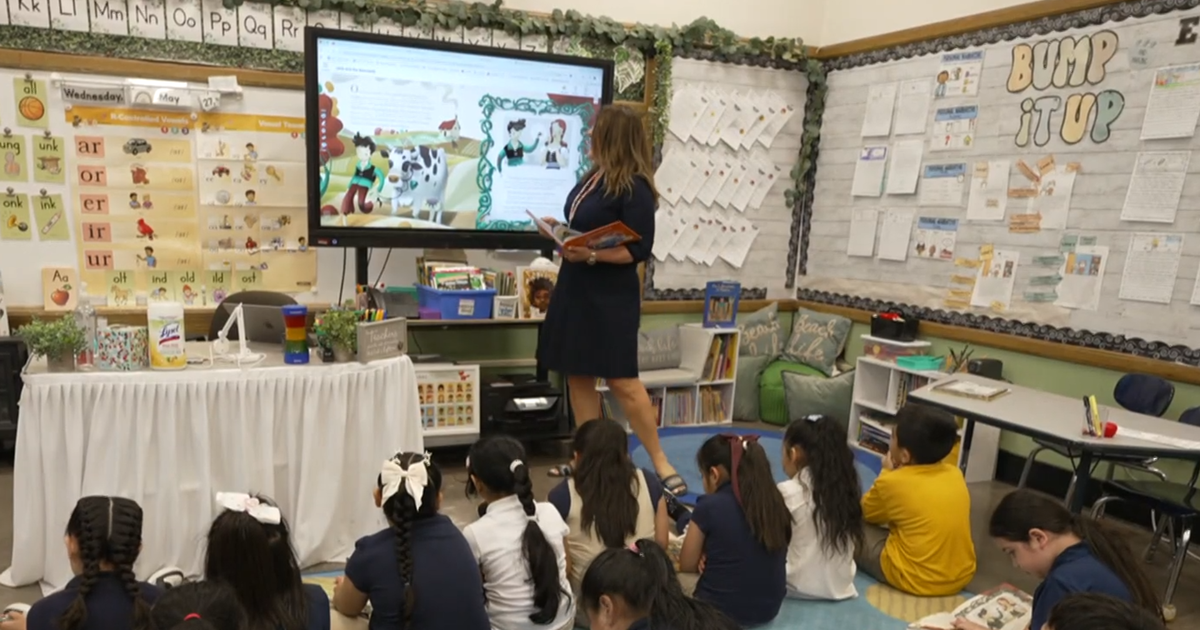
CBS News (June 10, 2026) reports on U.S. K-12 teachers taking second jobs to make ends meet. The story centers on Christine Regal, a 54-year-old New Jersey elementary teacher who, after 26 years in the classroom, works breakfast and lunch duty, tutors, and waitresses at a restaurant during evenings and summers. The Walton Family Foundation‑Gallup Teaching for Tomorrow report (March 2026) found 21% of surveyed public school teachers said they were struggling financially and 71% reported working at least one second job. The U.S. Labor Department reported the Consumer Price Index rose at an annual rate of 4.2% in May 2026, the highest year-over-year rate since April 2023. The article notes teachers often purchase classroom supplies out of pocket (Regal reports up to $1,500 annually) and describes how inflation and everyday costs (gas, groceries) are squeezing household budgets. Regal plans to continue side work through the summer and expects to retire around age 60.
Biblical Reflection
The article truthfully highlights a real strain on many teachers by combining a personal example, survey data, and recent inflation figures. Its intent appears to be raising awareness about teacher financial insecurity; however, it relies on one illustrative anecdote and summary survey statistics without detailed analysis of root causes (state and local pay scales, benefits, regional cost-of-living differences, collective bargaining outcomes, or policy responses). From a Christian perspective, the story calls us to both compassion and justice: compassion for vocational caregivers who serve children sacrificially, and pursuit of structural fairness so that those who educate our next generation are not forced into precarity. The piece invites charity and advocacy but does not map concrete solutions; readers should beware of drawing broad policy conclusions from a single profile and should seek fuller context about systemic funding and labor conditions. Loving our neighbor here means listening to workers, honoring their work materially and morally, and seeking fair public stewardship of education resources.
Scripture in context
This outlook does not yet include contextual Scripture citations. Do not treat a general biblical theme as an exegetical conclusion.
Faithful Response
No prescribed response is offered. Consider the reflection prompts below in your own church context.
Reflection and Discussion
- 1Does this story center an individual’s hardship at the expense of explaining the systemic funding, policy, and regional factors that shape teacher pay and working conditions?
- 2How does our community value teaching as a vocation — do our budget choices and cultural priorities reflect that worth materially and publicly?
- 3What channels (church networks, school boards, local advocacy) can Christians use to both show practical compassion and pursue just, sustainable support for educators?
Sources
Reporting links are evidence inputs; Sanctuary News' biblical reflection is commentary.
This outlook currently relies on fewer than two linked sources. Broaden verification before teaching from it.
- 1.Original reportprimary