News Summary
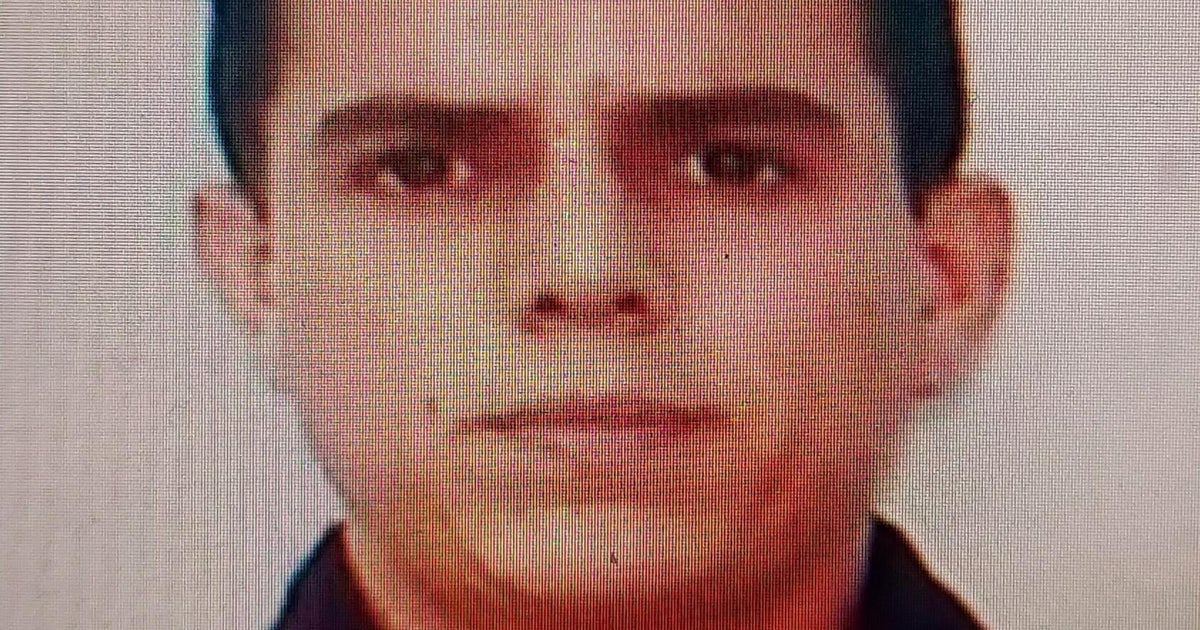
Reported facts: CBS News reports that U.S. authorities have moved to target Juan Carlos Gonzalez ("Pelon"), described as a California-born leader linked to the Jalisco New Generation Cartel and identified as the stepson of cartel boss Nemesio Oseguera ("El Mencho"). The article states that Oseguera was injured and later died during a Mexican military sweep. Attributions and uncertainty: the report does not include on-the-record U.S. sanction documents or public statements from Mexican authorities within the supplied text, and details such as the specific U.S. actions, dates, and independent confirmations are not provided in the supplied material.
Source and Framing Analysis
The supplied report is short and framed around two linked developments: U.S. action against a named individual and a Mexican military operation that reportedly wounded and killed a top cartel leader. Material uncertainties that affect interpretation include lack of direct links to official sanction notices, absence of sourcing for the claim of El Mencho's death in the supplied text, and minimal detail about the legal basis or evidence for targeting Gonzalez. The headline’s emphasis on "California-born" may shape readers’ perceptions by highlighting a U.S. connection; that framing can imply greater U.S. responsibility or relevance even when operational details are limited.
Biblical Reflection
This report highlights law-enforcement action against transnational criminal leadership and the cross-border nature of cartel harm. Christians should prize both truth and justice: confirm facts before assuming full details, lament the violence and loss of life, and hold compassion for victims caught between criminal groups and state force. The story invites temperate responses—support for lawful accountability and the protection of civilians—while resisting gloating over death or stereotyping of communities because of an individual’s birthplace.
The article's framing centers U.S. targeting of an individual linked to major organized crime and a deadly Mexican military sweep; it therefore raises questions about proportionality, civilian risk, and institutional integrity in both countries. Scripture calls God's people to pursue justice and mercy together, to defend the vulnerable, and to seek peace where possible. Practically, Christians can pray for investigators and for those harmed by cartel violence, advocate for transparent legal processes, and support ministries that care for victims and communities destabilized by organized crime.
Finally, beware two common temptations: to reduce complex geopolitical violence to simple headlines, and to use nationality or birthplace as a proxy for guilt. The Christian response is measured: seek verified truth, protect the vulnerable, lament and repent where communities suffer, and work toward systems that reduce both criminal power and state excess.
Scripture in context
- 1Romans 12:17-21 — Paul's letter to Roman Christians instructs them on practical Christian ethics for living among nonbelievers in the Roman Empire, urging believers not to repay evil for evil and to seek what is honorable and peaceful. — This passage challenges Christians to avoid retribution and to pursue peace and justice; in response to reports of violence and targeting of criminal leaders, it calls believers to support lawful accountability without revenge, to protect the vulnerable, and to seek the restoration of peace.
Faithful Response
Pray for victims of cartel violence, for investigators, and for families affected on both sides of the border.
Support credible legal and humanitarian channels that assist communities harmed by organized crime (e.g., victim services, trafficking survivor programs).
Avoid spreading unverified details; prioritize corroborated information and resist using nationality or birthplace as a moral shorthand.
Advocate for transparency and due process in law-enforcement actions and for civilian protections during security operations.
Reflection and Discussion
- 1How should the twin commitments to justice and mercy shape our response to news about criminal leaders and state operations?
- 2In what ways might highlighting a person's birthplace alter public perception, and how should Christians correct for unfair generalizations?
- 3What responsibilities do believers have to advocate for both accountability and the protection of non-combatant civilians affected by security actions?
Sources
Reporting links are evidence inputs; Sanctuary News' biblical reflection is commentary.
This outlook currently relies on fewer than two linked sources. Broaden verification before teaching from it.
- 1.U.S. targets California-born leader of notorious Jalisco cartelprimary_reporting