News Summary
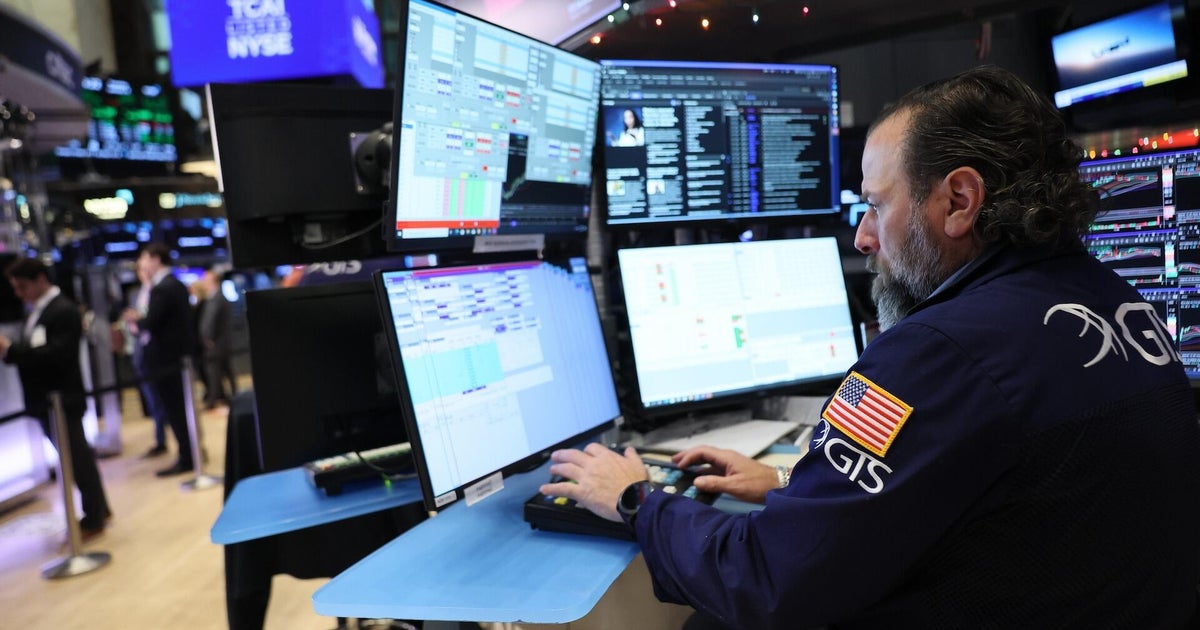
U.S. stock indexes fell on Friday with the S&P 500 down about 0.85% to 6,422, the Dow down about 0.8% to 45,589, and the Nasdaq down about 1.3%. Markets were on track for a fifth consecutive weekly decline—their longest such streak in nearly four years. The S&P 500 is roughly 8% below its record high from earlier in 2026. The moves follow a large market drop the prior day after the Iran war began Feb. 28. Brent crude rose 2.2% to $104.13 a barrel and U.S. crude rose about 3% to $97.28; both benchmarks are well above pre-war levels (~$70). Analysts cited rising oil prices, uncertainty about U.S.–Iran communications over the Strait of Hormuz, and weaker U.S. consumer sentiment (University of Michigan preliminary March index at its lowest since December 2025) as drivers of investor unease. Long-term Treasury yields rose (10-year to ~4.44%), which has pushed borrowing costs such as mortgage rates higher. Macquarie strategists cited a scenario in which oil could reach $200 per barrel if the conflict continues through June; the article presents this as a possibility rather than a certainty. Most S&P 500 stocks fell; a few—like Netflix—rose after company-specific news (Netflix announced price hikes).
Biblical Reflection
The article reports market movements and expert commentary linking economic volatility to geopolitical conflict and energy supply risks. Factually it focuses on measurable indicators (index levels, oil prices, yields) and expert forecasts; where forecasts are cited (e.g., oil to $200), they are speculative and contingent. The underlying worldview of the coverage is transactional and risk-centered: it privileges investor impact, pricing signals, and economic forecasts, which is appropriate for financial reporting but can crowd out attention to human suffering caused by the same conflict. A Christian reading should note both truths: (1) markets and prices matter and influence everyday lives—especially the vulnerable who face higher fuel and food costs—and so responsible stewardship and public policy attention are needed; (2) reporting that foregrounds fear and volatility can foster anxiety and short-termism. Scripture calls believers to care for the poor, to seek peace, and to exercise sober wisdom (e.g., prudence in stewardship) without surrendering to fear. Be discerning about speculative projections presented as plausible outcomes; hold uncertainty with humility and pray for peace. Christians can also critique narratives that reduce complex human tragedies to economic signals and should advocate for responses that protect civilians and alleviate suffering while practicing wise financial stewardship.
Scripture in context
This outlook does not yet include contextual Scripture citations. Do not treat a general biblical theme as an exegetical conclusion.
Faithful Response
No prescribed response is offered. Consider the reflection prompts below in your own church context.
Reflection and Discussion
- 1Whose interests are centered in this coverage—investors, governments, or civilians—and what does that reveal about the priorities the article assumes?
- 2Where does the report rely on expert projection rather than fact, and how should that shape our confidence in worst‑case scenarios?
- 3How might a focus on market panic obscure Christian responsibilities toward the vulnerable affected by the same geopolitical events?
Sources
Reporting links are evidence inputs; Sanctuary News' biblical reflection is commentary.
This outlook currently relies on fewer than two linked sources. Broaden verification before teaching from it.
- 1.Original reportprimary