News Summary
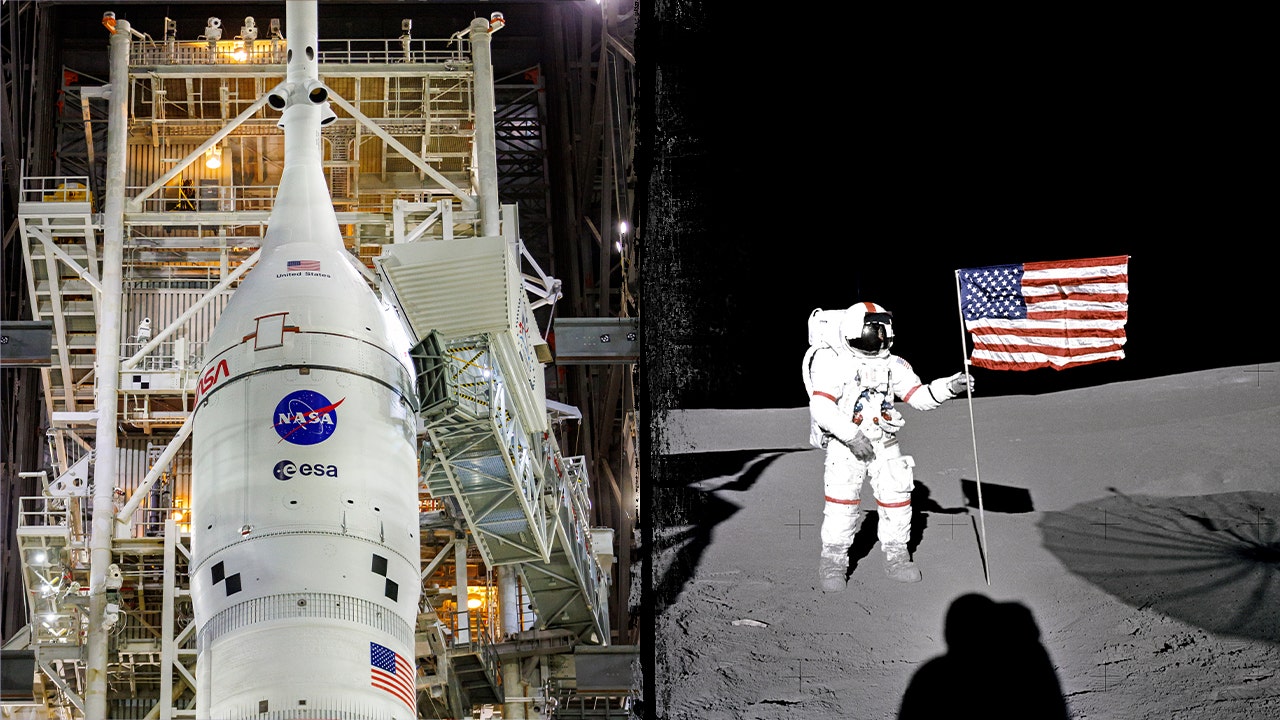
The article reports that the U.S., under a Trump administration initiative, is pushing roughly $20 billion to establish a permanent human presence on the lunar surface. According to the piece, NASA is shifting strategy away from the previously emphasized Gateway lunar-orbiting station toward building infrastructure directly on the moon as a long-term foothold for deep space exploration. The article quotes officials and experts who describe the lunar base as a place to store supplies, build infrastructure over time, and serve as a focal point for deeper-space operations. The reporting frames this effort in the context of competition with China, noting China’s recent robotic sample-return missions, increased lunar payloads, and announced ambitions to land astronauts on the moon around 2030. Experts in the article express skepticism that $20 billion and a seven-year timeline are sufficient, call the timeline ambitious, and warn that China currently holds advantages in certain lunar capabilities. The article also references cooperation between China and partners such as Russia on long-term lunar plans and presents the moon as a contested strategic 'high ground.'
Biblical Reflection
From a Christian perspective, this article highlights human curiosity, ingenuity, and a desire to explore God’s creation — motives that can reflect God-given creativity and stewardship when pursued humbly and for the common good. At the same time, the coverage leans strongly into a competitive, zero-sum framing (a "race" and "high ground" language) that emphasizes national rivalry and strategic advantage. That framing can encourage militarization of space and foster fear-driven policy rather than cooperative scientific stewardship. The article also contains factual and framing issues worth noting (for example, it attributes a quote to "NASA Administrator Jared Isaacman," a name that should be verified), and it repeats assertions — such as the sufficiency of the proposed budget and timeline — that experts in the story themselves call ambitious or unlikely. Christians should therefore read the piece with discernment: praise the potential for discovery and human flourishing, but be wary of rhetoric that elevates national pride, fears, or escalation over truth, wise stewardship, and international cooperation. Key questions include whether the narrative privileges geopolitical dominance over shared benefits of scientific advancement, and whether resource and budget claims are presented with adequate verification. The biblical virtues of humility, truthfulness, and love of neighbor call believers to support exploration that advances knowledge, serves human flourishing broadly, and seeks peaceful cooperation rather than primarily seeking advantage.
Scripture in context
This outlook does not yet include contextual Scripture citations. Do not treat a general biblical theme as an exegetical conclusion.
Faithful Response
No prescribed response is offered. Consider the reflection prompts below in your own church context.
Reflection and Discussion
- 1How does framing space activity as a "race" or "high ground" shape public support and policy — does it push toward militarized competition rather than cooperative stewardship?
- 2Are budget, timeline, and capability claims in the article sufficiently verified, or do they reflect political messaging and national pride more than technical reality?
- 3In what ways should Christian convictions about humility, stewardship, and the common good shape how we assess national space programs and international cooperation in space?
Sources
Reporting links are evidence inputs; Sanctuary News' biblical reflection is commentary.
This outlook currently relies on fewer than two linked sources. Broaden verification before teaching from it.
- 1.Original reportprimary