News Summary
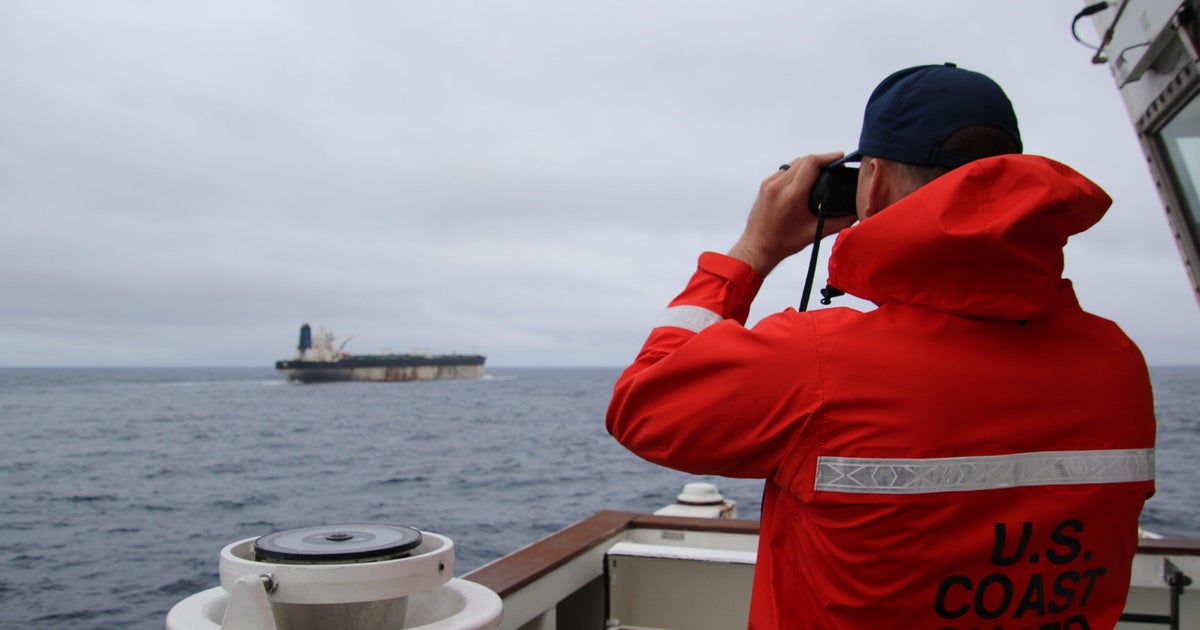
This article details a series of recent U.S. military and law enforcement operations targeting Venezuela-linked oil tankers suspected of violating American sanctions. The U.S. Coast Guard conducted coordinated boardings and seizures of two 'ghost fleet' tankers, one of which, the Motor Tanker Bella I, had evaded authorities for weeks. Another vessel, Sophia, was intercepted while carrying Venezuelan oil, allegedly violating U.S. embargoes. These activities are part of a broader, highly scrutinized Trump administration strategy toward Venezuela, which includes military actions, economic sanctions, and efforts to control Venezuelan oil resources. The article also highlights political debate in the U.S. Congress, with some lawmakers questioning the legality and constitutionality of these interventions. There is further controversy around President Trump's statements about possibly acquiring Greenland by military means and his open discussion of American expansionism. The piece notes casualties suffered during the operation to capture former Venezuelan leader Nicolás Maduro and his wife, who are now in U.S. custody, and the ongoing tensions with Cuba and other foreign actors. The political future of Venezuela remains uncertain, with various factions vying for legitimacy and international recognition.
Biblical Reflection
From a scriptural perspective, these events raise deep questions about justice, the use of power, and the pursuit of national interests at the expense of others. Scripture repeatedly calls rulers to act justly, love mercy, and walk humbly before God (Micah 6:8). The aggressive seizure of resources, military intervention, and the rhetoric of domination ('we are in charge of Venezuela') echo more the ambitions of empire than the servant-leadership modeled by Christ. The pain and loss of life, including civilian and military casualties, require sober reflection on the cost of such actions and the call to love one's neighbor, even across national boundaries (Luke 10:29-37). While governments are tasked with maintaining order and justice (Romans 13), the means by which these are pursued must align with God's standards of righteousness and respect for the dignity of all peoples. Furthermore, the apparent lack of clear planning, transparency, and respect for sovereign self-determination violates both biblical and constitutional principles of accountability and stewardship. Christians are called to pray for leaders, seek the welfare of all people, and hold earthly powers to account when their actions stray from justice and mercy.
Scripture in context
This outlook does not yet include contextual Scripture citations. Do not treat a general biblical theme as an exegetical conclusion.
Faithful Response
No prescribed response is offered. Consider the reflection prompts below in your own church context.
Reflection and Discussion
- 1How do I discern when a nation's actions, even if legal or strategic, are just and righteous according to God's standards?
- 2What does it mean to 'love mercy' and 'walk humbly' in the context of international politics and national interests?
- 3How can I pray for and hold leaders accountable when their actions affect the lives and dignity of people across the world?
Sources
Reporting links are evidence inputs; Sanctuary News' biblical reflection is commentary.
This outlook currently relies on fewer than two linked sources. Broaden verification before teaching from it.
- 1.Original reportprimary