News Summary
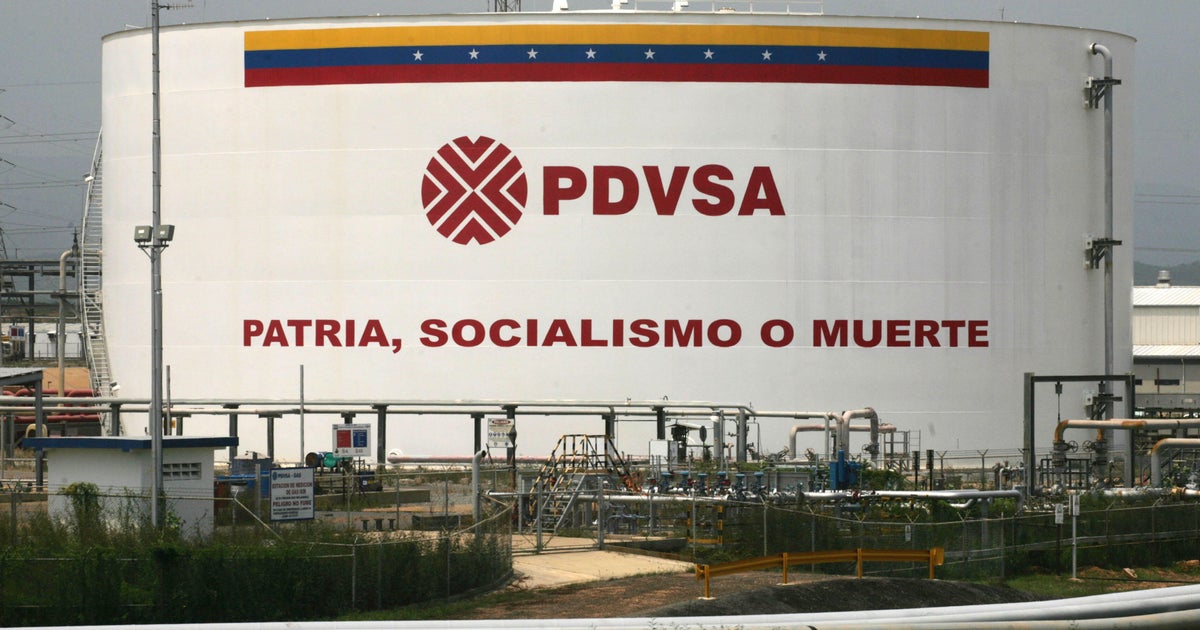
The article discusses the aftermath of a U.S. military strike on Venezuela, which included the capture of Venezuelan President Nicolás Maduro and his wife. President Trump announced plans to rebuild Venezuela's oil infrastructure, with costs to be covered by oil companies, and to restore oil production to higher levels. Venezuela possesses the world's largest proven oil reserves, mainly in the Orinoco Belt, but its oil production has declined significantly due to lack of investment and U.S. sanctions. Currently, only Chevron operates in Venezuela under a special waiver, while other U.S. oil companies had previously withdrawn. The article outlines how the U.S. sanctions, blockades, and global oil market conditions affect Venezuela's oil exports and the potential for American companies to reenter the Venezuelan oil market, depending on political developments. Though the U.S. seeks to boost its access to Venezuelan oil, experts predict limited immediate impact on global oil prices due to ample supply and production capacity elsewhere.
Biblical Reflection
Viewed through a biblical lens, this story raises sobering questions about the pursuit of resources, the use of military power for economic gain, and the stewardship of creation. Scripture repeatedly cautions against exploiting the vulnerable or prioritizing material wealth over justice, peace, and righteousness (Isaiah 10:1-2, Amos 5:11-12). The decision to use military force to secure oil, followed by promises to benefit economically, risks reflecting the spirit of 'mammon'—the love of money and resources—rather than the spirit of Christ, which calls for justice, mercy, and care for the oppressed. Further, the complexities of international relations implore Christians to pray and advocate for peace, reconciliation, and the responsible stewardship of the earth's resources, rather than short-term economic interests achieved at the expense of others' sovereignty and well-being. Christians are called to seek peace (Romans 12:18), value people over profit (Matthew 6:24), and to remember that all the earth and its resources ultimately belong to God (Psalm 24:1).
Scripture in context
This outlook does not yet include contextual Scripture citations. Do not treat a general biblical theme as an exegetical conclusion.
Faithful Response
No prescribed response is offered. Consider the reflection prompts below in your own church context.
Reflection and Discussion
- 1How do my views on national interests and economic prosperity align with Jesus' teaching about serving God rather than wealth?
- 2In what ways can I advocate for justice and peace in situations where economic gain is prioritized over human dignity?
- 3How might I pray for and seek the well-being of those affected by political and economic decisions in other countries?
Sources
Reporting links are evidence inputs; Sanctuary News' biblical reflection is commentary.
This outlook currently relies on fewer than two linked sources. Broaden verification before teaching from it.
- 1.Original reportprimary