News Summary
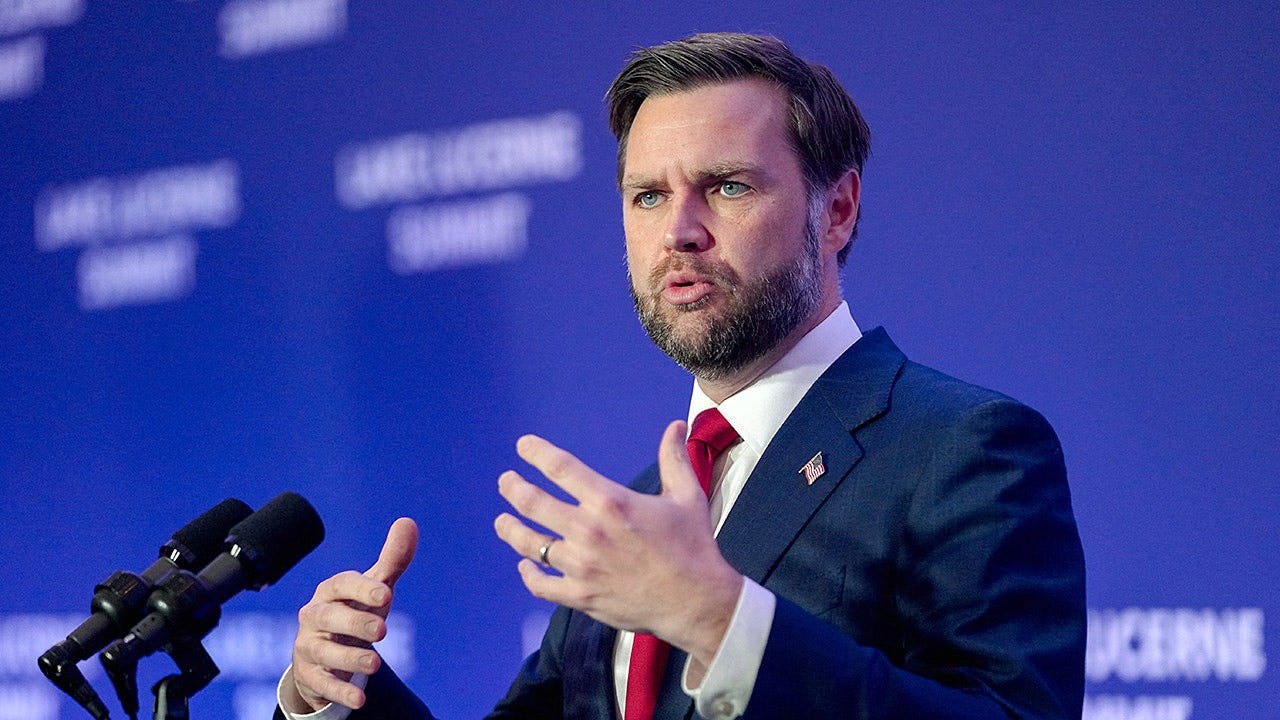
U.S. officials and Vice President JD Vance participated in high-level talks in Switzerland (the Bürgenstock/Lake Lucerne summit) on June 22, 2026 aimed at advancing a ceasefire and further negotiations with Iran. A U.S. official told Fox News Digital that Vance “made great progress,” and called reports that Qatar’s prime minister snubbed Vance false and originating in Iranian state media. During the talks, Vance said Iran agreed to readmit International Atomic Energy Agency (IAEA) nuclear inspectors; U.S. proposals reportedly included using Iran’s unfrozen assets to buy U.S. agricultural products and establishing a deconfliction mechanism to help maintain a ceasefire. Qatar’s prime minister told Al Jazeera he did not snub Vance and attributed media coverage as overstating the encounter. The talks lasted many hours but concluded without a finalized deal; critics in U.S. media and among protesters accused Vance of conceding too much, and a Fox Digital piece reported on alleged coordination by outside protest networks sympathetic to Iran. The administration frames the negotiations as a framework for continued talks rather than a final agreement.
Biblical Reflection
From a Christian pastoral perspective, efforts to reduce violence and restore oversight of nuclear activity are morally weighty pursuits that reflect the biblical call to pursue peace and protect the vulnerable. At the same time, the article demonstrates how quickly information can be contested: state media, host-country denials, and partisan outlets offer competing narratives. This requires Christians to practice discerning truth—seeking reliable verification (for example, independent confirmation from the IAEA), resisting partisan rushes to judgment, and holding leaders accountable for both justice and the protection of innocent life. The piece also shows a tendency in modern reporting to conflate diplomatic progress with political advantage and to attribute domestic protests to foreign influence; readers should notice those frames and ask whether the coverage prioritizes national interest, political gain, or genuine peacemaking. Ultimately, peacemaking requires both courage to negotiate and humility to accept inconvenient facts; Christians should pray for negotiators to pursue a durable peace that honors truth, protects civilians, and safeguards justice.
Scripture in context
This outlook does not yet include contextual Scripture citations. Do not treat a general biblical theme as an exegetical conclusion.
Faithful Response
No prescribed response is offered. Consider the reflection prompts below in your own church context.
Reflection and Discussion
- 1Which claims in this report depend on single-party sources (state media, official spokespeople, or partisan outlets), and where should I look for independent verification?
- 2Does the coverage emphasize political advantage or genuine conflict resolution, and how might that framing shape public opinion about peacemaking?
- 3How should Christians weigh the desire for rapid peace against the need for accountability, verification (e.g., IAEA access), and protection for those harmed by the conflict?
Sources
Reporting links are evidence inputs; Sanctuary News' biblical reflection is commentary.
This outlook currently relies on fewer than two linked sources. Broaden verification before teaching from it.
- 1.Original reportprimary