News Summary
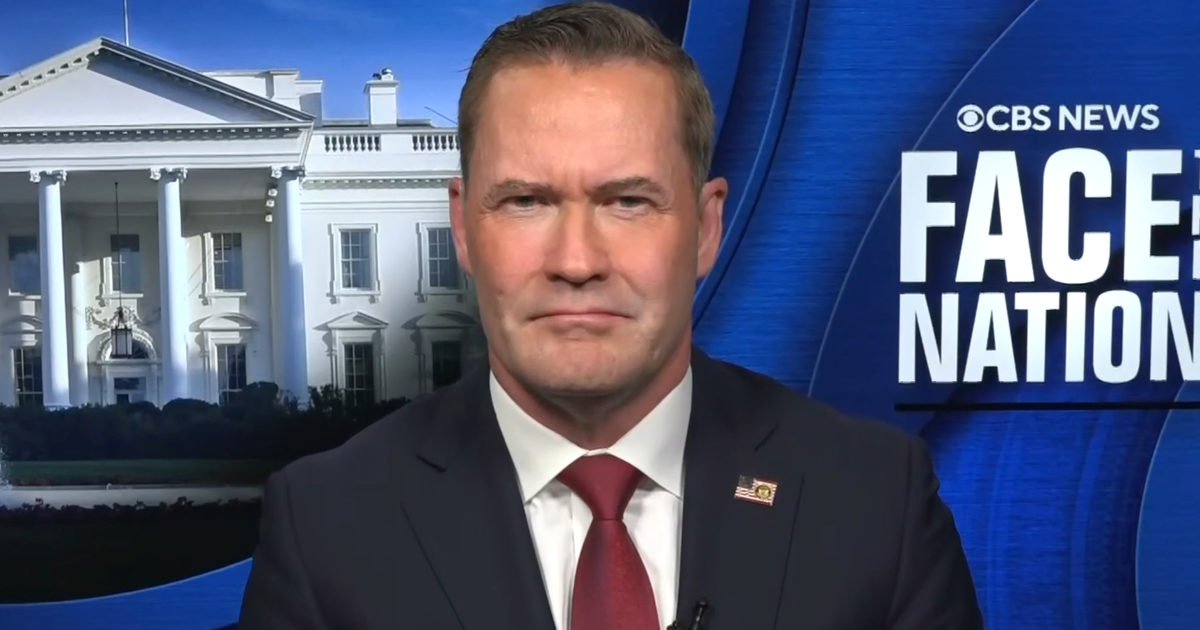
U.S. Ambassador to the U.N. Mike Waltz said the United States will "never take an approach of trust" with Iran and that any agreement must be verifiable and enforceable. U.S. officials are scheduled to travel to Islamabad for a second round of talks with Iranian representatives; Iran has not yet decided whether it will participate. Waltz said he expects the talks to continue terms offered by Vice President J.D. Vance during an initial round last weekend, which ended without agreement after Iran "chose not to accept our terms," according to Vance. CBS News reported the forthcoming U.S. delegation will include Vice President Vance, Middle East envoy Steve Witkoff, and Jared Kushner. Waltz characterized Iran as diplomatically isolated and economically damaged and noted the International Atomic Energy Agency would play a role in verifying compliance. President Trump publicly warned that if Iran rejects the proposed deal the U.S. would target Iranian infrastructure; Iran has at times restricted and reopened passage through the Strait of Hormuz amid the dispute. Former Biden administration advisor Amos Hochstein commented that Iran's recent control over the strait gives Tehran a strategic lever it previously did not use.
Biblical Reflection
This article primarily reports U.S. officials' posture and public threats alongside planned diplomacy. The language used by U.S. leaders emphasizes leverage, verifiability, and coercive threat—an approach shaped by national-security priorities and bargaining strategy. From a Christian perspective, the need to protect innocent lives and seek truthful, enforceable commitments is legitimate; however, rhetoric that centers threats to destroy infrastructure or civilization risks dehumanizing opponents and normalizing large-scale violence with grave humanitarian consequences. The reporting reflects an American strategic worldview that prizes deterrence and accountability; it also relies on assertions about Iranian weakness and chaos that should be weighed against independent verification. Christians should hold a dual concern: for the safety and justice of vulnerable civilians (who bear the cost of military escalation) and for wise, patient peacemaking that seeks durable, covenantal solutions rather than purely transactional or punitive outcomes.
Scripture in context
This outlook does not yet include contextual Scripture citations. Do not treat a general biblical theme as an exegetical conclusion.
Faithful Response
No prescribed response is offered. Consider the reflection prompts below in your own church context.
Reflection and Discussion
- 1How should Christians balance the call to protect the innocent and pursue justice with Jesus' call to be peacemakers when nations use coercive threats?
- 2What assumptions about the other side (chaos, weakness, bad faith) shape this coverage, and how might those assumptions affect the moral and practical choices leaders make?
- 3When leaders emphasize verifiability and enforcement, are we watching a pursuit of lasting, just peace or a negotiation driven primarily by leverage—and how does that difference matter ethically?
Sources
Reporting links are evidence inputs; Sanctuary News' biblical reflection is commentary.
This outlook currently relies on fewer than two linked sources. Broaden verification before teaching from it.
- 1.Original reportprimary