News Summary
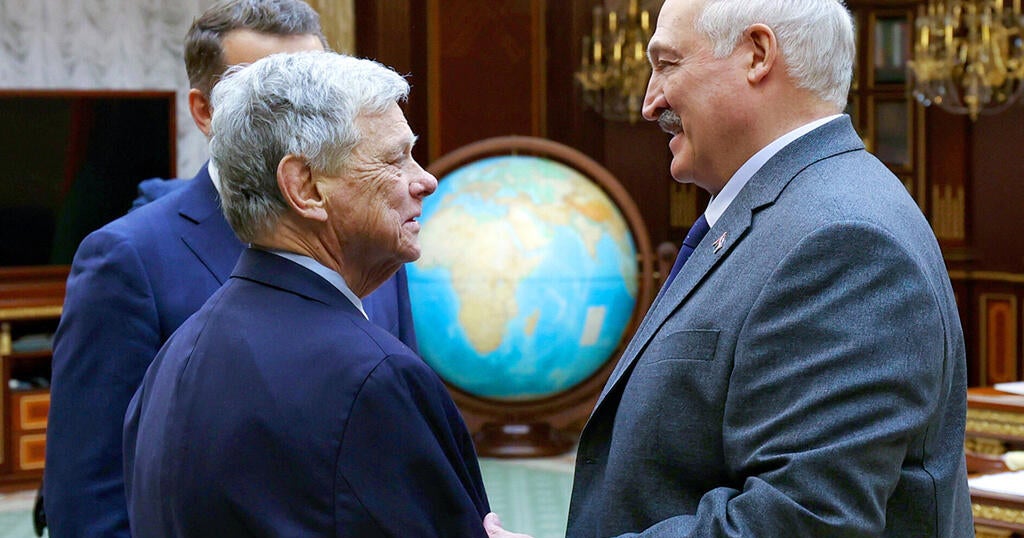
The United States has announced the lifting of some trade sanctions on Belarus, specifically those related to Belarusian potash, signaling a potential improvement in relations between Washington and the Belarusian government led by Alexander Lukashenko. This development follows a meeting in Minsk between U.S. special envoy John Coale and Lukashenko. For years, Belarus has been the target of Western sanctions due to human rights violations and its support for Russia’s invasion of Ukraine. Recent actions by Minsk, such as releasing over 430 political prisoners since July 2024, appear to be part of a broader effort to improve ties with the West. Belarusian opposition leader Sviatlana Tsikhanouskaya welcomed the release of prisoners but warned that Lukashenko's core policies remain unchanged and cautioned against premature easing of sanctions, especially as Belarus continues to support Russia's war in Ukraine. The talks also touched on broader geopolitical issues, including the war in Ukraine and the situation in Venezuela.
Biblical Reflection
Scripture calls for justice, truth, and the defense of the oppressed. The lifting of sanctions in exchange for the release of political prisoners can be seen as a positive move toward mercy and reconciliation, aligning with the biblical value of setting captives free (Isaiah 58:6). However, Christians are also warned against naivety and complicity with injustice. While dialogue and peace-building are commendable, it is crucial to ensure that such actions do not inadvertently enable ongoing oppression or support unjust wars (Micah 6:8). The caution expressed by the Belarusian opposition is wise: true peace and justice require more than political gestures—they require a genuine transformation of hearts and systems. As believers, we are called to pray for justice, to advocate for the oppressed, and to discern the difference between genuine change and superficial compromise. The current developments are a reminder to remain vigilant, to seek peace, but not at the expense of truth or the rights of the vulnerable.
Scripture in context
This outlook does not yet include contextual Scripture citations. Do not treat a general biblical theme as an exegetical conclusion.
Faithful Response
No prescribed response is offered. Consider the reflection prompts below in your own church context.
Reflection and Discussion
- 1How can Christians balance the desire for peace and reconciliation with the biblical call to stand up against injustice and oppression?
- 2In situations where political compromise leads to some good (like the release of prisoners), how should we discern whether to support or oppose such agreements?
- 3What does it mean to act justly and love mercy in the context of international relations and sanctions?
Sources
Reporting links are evidence inputs; Sanctuary News' biblical reflection is commentary.
This outlook currently relies on fewer than two linked sources. Broaden verification before teaching from it.
- 1.Original reportprimary