News Summary
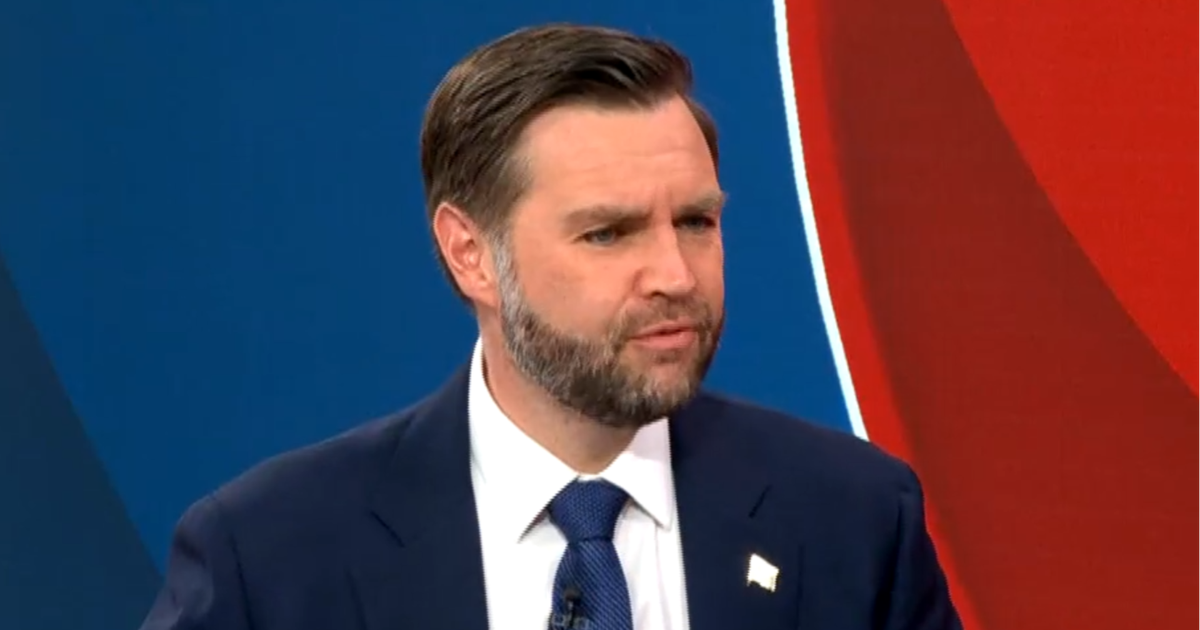
Vice President JD Vance told CBS News that the full text of a U.S.-Iran memorandum of understanding will be released by Friday at the latest and that the White House is pushing to publish it sooner. President Trump announced on Sunday that a deal had been reached; both sides electronically signed the memorandum earlier in the week and a formal signing ceremony is expected Friday. Vance said Qatari and Pakistani mediators asked for a brief delay before public release. He described the agreement as conditional: Iran would receive economic benefits, including sanctions relief, only if it stops funding terrorism and abandons nuclear weapons efforts. Vance said the deal would reopen the Strait of Hormuz immediately and claimed the U.S. has already diminished Iran’s nuclear capabilities. Secretary of State Marco Rubio said the U.S. will assist with mine clearance in the strait, and Defense Secretary Pete Hegseth said the administration is taking undisclosed measures to ensure safe passage. Vance denied that large sums or full sanctions relief automatically flow to Iran, saying benefits depend on Iran’s behavioral changes; President Trump added the agreement is not final and warned military action could resume if Iran fails to comply.
Biblical Reflection
The article mainly reports officials’ statements about a significant foreign-policy agreement without independent details because the text was not yet public. The administration frames the deal as conditional, reversible, and in America’s interest, while also signaling readiness to use force if terms are violated. From a Christian perspective, the tension between seeking peace through diplomacy and relying on threats or military force matters morally: true peace requires justice, transparency, and protection of the vulnerable. Secrecy about the text and vague language about ‘‘benefits’’ and ‘‘fundamental change’’ create space for misrepresentation and public confusion; Christians should insist on accountability and clear commitments so that promises do not become instruments of political spin. We should also weigh neighboring impacts: sanctions relief and reopening trade will affect ordinary Iranians as well as regional stability, so ethical discernment must include concern for civilians and long-term reconciliation. Finally, the article reflects a worldview that privileges state security and leverage; a Christian reading calls for courage to demand truth, prudence in avoiding escalation, and mercy toward those who suffer the consequences of high-level bargaining.
Scripture in context
This outlook does not yet include contextual Scripture citations. Do not treat a general biblical theme as an exegetical conclusion.
Faithful Response
No prescribed response is offered. Consider the reflection prompts below in your own church context.
Reflection and Discussion
- 1What critical details remain undisclosed, and how does that lack of transparency shape public trust and moral accountability?
- 2Are the incentives and threats described likely to protect civilians and produce lasting peace, or mainly to preserve strategic advantage?
- 3Whose wellbeing is prioritized in the administration’s framing—national security interests, regional partners, or ordinary people affected by sanctions and conflict?
Sources
Reporting links are evidence inputs; Sanctuary News' biblical reflection is commentary.
This outlook currently relies on fewer than two linked sources. Broaden verification before teaching from it.
- 1.Original reportprimary