News Summary
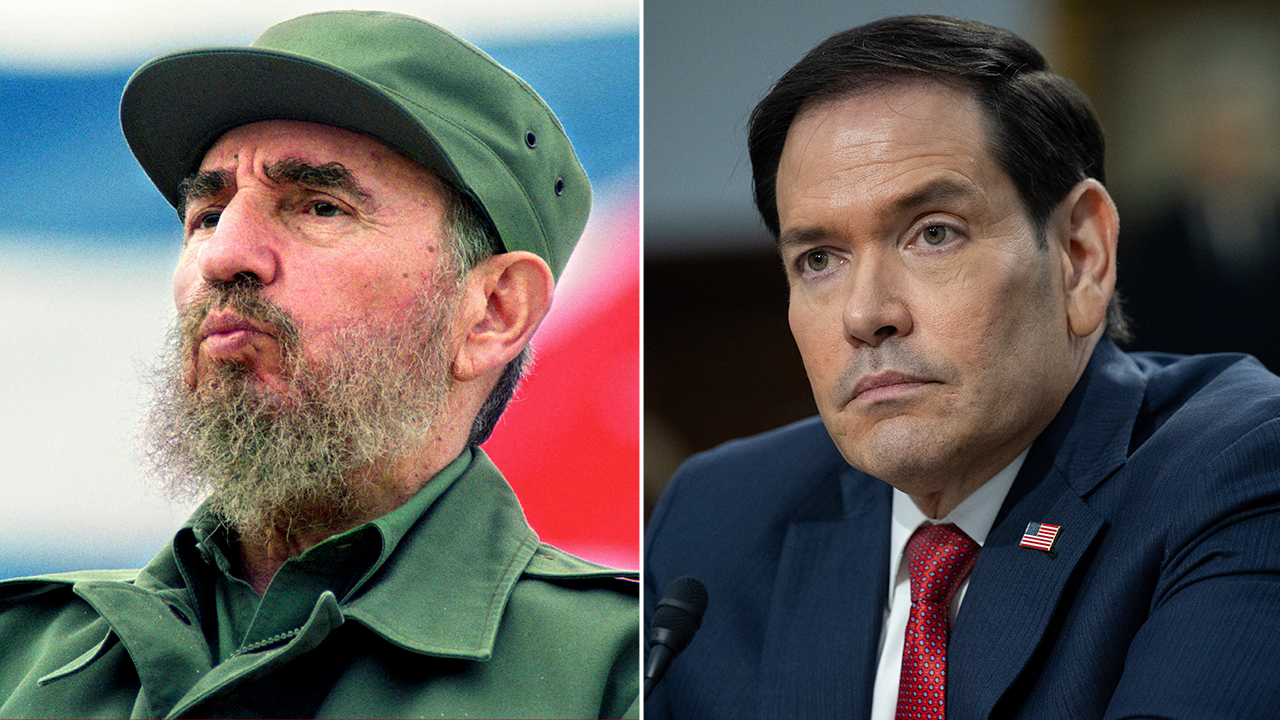
The U.S. administration, led publicly by Secretary of State Marco Rubio, designated five Cuban entities for sanctions, including the Cuban Institute of Friendship with the Peoples (ICAP), Cuba’s Ministry of the Revolutionary Armed Forces (MINFAR), the Committees for the Defense of the Revolution (CDR), Minera La Victoria S.A., and state-run tourism company Amistur Cuba S.A. U.S. officials said ICAP has for decades cultivated relations with foreign activists and movements and that several U.S. nonprofits—named in reporting as the People’s Forum, Progressive International, Code Pink, BreakThrough News and Tricontinental—worked with ICAP on recent exchanges and events. Federal investigators are reportedly examining whether some U.S. organizations linked to donor Neville Roy Singham failed to register or otherwise acted on behalf of foreign interests; Singham is reported to have funded many progressive nonprofits since 2017. The March “convoy” to Cuba that included public figures such as Hasan Piker drew federal scrutiny; Code Pink’s co-founder Medea Benjamin has said she received questions from federal officials. ICAP’s president is identified as Fernando González Llort, a former member of the group known as the “Cuban Five.” The Cuban government condemned the sanctions as hostile measures. U.S. officials warned that entities and banks providing services to the designated actors risk secondary sanctions.
Biblical Reflection
This report mixes verified policy action (the sanctions designations) with broad assertions and political framing that reflect the administering official’s perspective. The factual core—that U.S. authorities sanctioned named Cuban entities and warned partners about secondary exposure—is clear and consequential. Claims tying U.S. civil-society groups to foreign espionage or malign influence are serious and require transparent evidence and legal due process; reporting notes ongoing investigations rather than concluded criminal findings. The article’s language and quoted officials emphasize ideological threat—‘Marxist,’ ‘subversive,’ ‘radical’—which can conflate peaceful solidarity, political advocacy, and illicit foreign-directed activity. From a Christian pastoral standpoint, the situation calls for both sober vigilance about deception and abuse of power and restraint from dehumanizing or dismissing people whose motives may be mixed. Sanctions may be necessary for national security, but they also risk curtailing legitimate humanitarian, educational, or cultural exchanges and can punish communities served by NGOs. Christians should pray for truth, accountability, and mercy: insist on clear evidence and lawful process for wrongdoing, while avoiding rhetoric that treats opponents as enemies rather than neighbors created in God’s image.
Scripture in context
This outlook does not yet include contextual Scripture citations. Do not treat a general biblical theme as an exegetical conclusion.
Faithful Response
No prescribed response is offered. Consider the reflection prompts below in your own church context.
Reflection and Discussion
- 1Are accusations about influence being presented with clear, independently verifiable evidence, or primarily through political framing that inflames fear?
- 2How should Christians weigh legitimate national-security concerns against the risk that broad sanctions might restrict humanitarian or educational contacts?
- 3When media and officials use ideologically charged labels, how does that shape our ability to discern motives and pursue peaceful truth?
Sources
Reporting links are evidence inputs; Sanctuary News' biblical reflection is commentary.
This outlook currently relies on fewer than two linked sources. Broaden verification before teaching from it.
- 1.Original reportprimary