News Summary
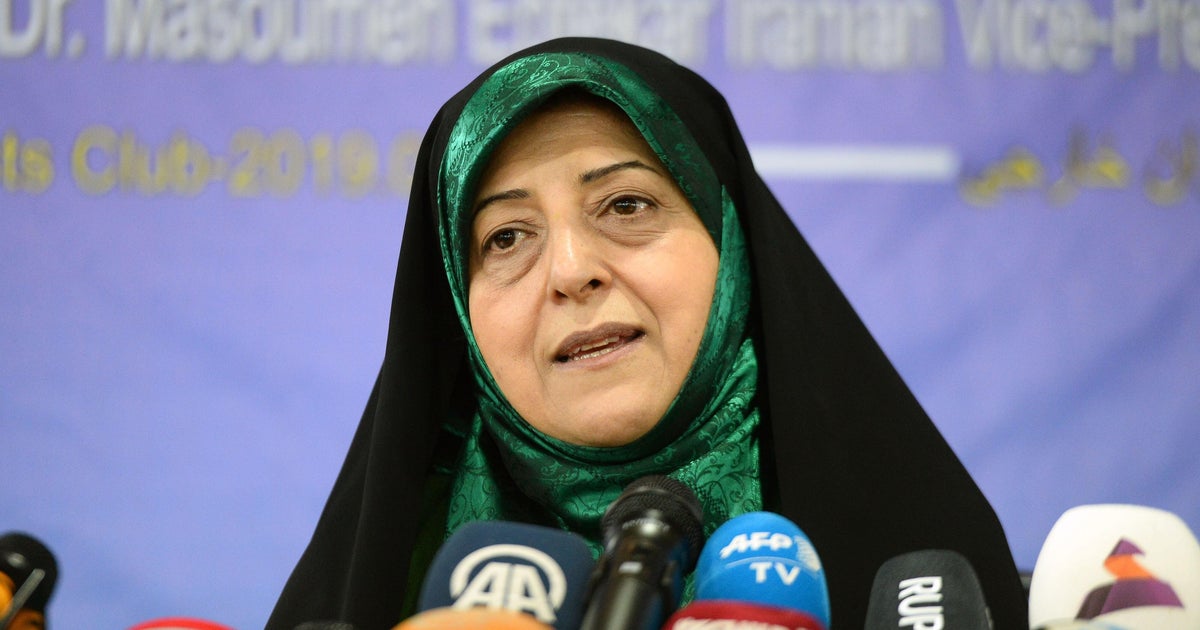
The U.S. State Department announced that lawful permanent resident status (green cards) was revoked for Seyed Eissa Hashemi, Maryam Tahmasebi and their son, and that the three were detained by U.S. Immigration and Customs Enforcement ahead of deportation. The statement identified them as family of Iranian official Masoumeh Ebtekar. Hashemi and Tahmasebi had worked as professors at The Chicago School in Los Angeles. According to the State Department, the family initially entered the U.S. on a visa in 2014 and obtained permanent resident status in 2016 through the Diversity Immigrant Visa Program. The article notes the Trump administration ended that visa program in December 2025. The announcement came amid a series of similar actions: the U.S. terminated permanent-resident status for other people with ties to Iran, including the niece and grand-niece of the late IRGC Maj. Gen. Qasem Soleimani, who were arrested after their status was ended, and the status of Fatemeh Ardeshir-Larijani and her husband was terminated (they are reported to be no longer in the U.S.). Secretary of State Marco Rubio publicly commented that family members of certain Iranian figures should not have been allowed to benefit from residence in the U.S. The article places these actions in the context of broader U.S. diplomatic activity: Vice President J.D. Vance, envoy Steve Witkoff and Jared Kushner were in Islamabad for talks related to the Iran war and reopening the Strait of Hormuz for shipping.
Biblical Reflection
From a Christian perspective, this story raises several moral and civic considerations. Civil authorities have a legitimate role in protecting national security and enforcing immigration law (Romans 13:1–4), and governments must act when presented with credible threats. At the same time, the report highlights risks of collective judgment and guilt by association: terminating the legal status of relatives because of a family member's political role can blur the line between legitimate security measures and punitive measures that may lack individualized, transparent due process. The language in the article — labels like "propagandist" and nicknames such as "Screaming Mary" — and political statements from public officials can shape public sentiment and harden attitudes; Christians are called to discernment, resisting dehumanizing rhetoric even while seeking justice. Reported timing and framing (deportations announced as diplomatic talks proceed) suggest political context; Christians should note how political aims can influence the presentation of facts. The faithful response is not to reflexively endorse or condemn the government's action but to pray for truthful, fair processes, to advocate for due process and humane treatment of detainees, and to seek justice balanced with mercy. We should also grieve and pray for victims of oppressive regimes while guarding against simplistic assumptions that family ties automatically equal culpability.
Scripture in context
This outlook does not yet include contextual Scripture citations. Do not treat a general biblical theme as an exegetical conclusion.
Faithful Response
No prescribed response is offered. Consider the reflection prompts below in your own church context.
Reflection and Discussion
- 1Are we allowing charged language and political timing to short-circuit careful evaluation of individual guilt and due process?
- 2How should Christians weigh legitimate national-security concerns against the call to treat persons with justice and mercy?
- 3What underlying narratives (fear of foreign influence, political signaling, retribution) might be shaping both official statements and news framing here?
Sources
Reporting links are evidence inputs; Sanctuary News' biblical reflection is commentary.
This outlook currently relies on fewer than two linked sources. Broaden verification before teaching from it.
- 1.Original reportprimary