News Summary
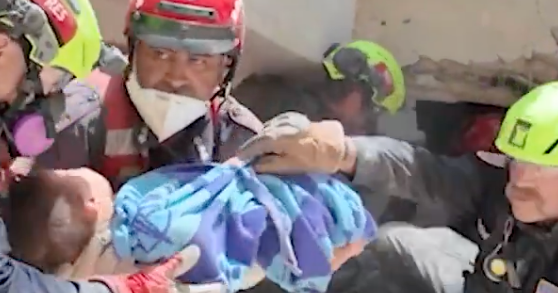
A Virginia Task Force 1 U.S. urban search-and-rescue team extracted a mother and her nine-month-old baby from the rubble of a collapsed building after dual earthquakes struck Venezuela; videos of the rescues were shared by the team and the U.S. State Department. Both survivors reportedly sustained only minor injuries. Venezuelan officials say the quakes have killed more than 1,400 people and hundreds more are missing; some online databases report much larger numbers (about 51,000) of people listed as missing, which officials and news agencies say likely include duplicates and communication gaps. Nearly 250 specialized civilian rescuers from the United States, plus aid planes, mobile hospitals and the USS Fort Lauderdale, were deployed to assist; volunteers and teams from countries including Mexico, El Salvador and Switzerland were also on the ground. Local residents have been digging through rubble themselves amid complaints of limited state rescue presence in the hardest-hit areas. The quakes occurred within about one minute of each other and at shallow depth, contributing to severe surface damage; aid agencies note the first 48–72 hours are critical for finding survivors, though that window can extend if trapped people have access to food and water.
Biblical Reflection
The story highlights both human fragility and the moral impulse to help. The uplifting footage of rescues rightly reminds us of the value of every life and the joy that accompanies a successful extraction, but the images can also distract from the scale of sustained suffering and systemic failures in preparedness and response. The article is largely factual about rescue operations and international help, though some reported casualty and missing-person figures are uncertain and require careful sourcing. From a Christian perspective, the presence of international rescuers demonstrates neighbor-love and solidarity across borders; it also raises questions about state capacity and accountability for protecting vulnerable citizens. Christians should mourn and empathize with victims, celebrate life-preserving efforts, and press for truthful reporting and effective, sustained relief rather than brief, image-driven attention. Practically, mercy means both immediate rescue and long-term care for survivors and communities damaged by disaster.
Scripture in context
This outlook does not yet include contextual Scripture citations. Do not treat a general biblical theme as an exegetical conclusion.
Faithful Response
No prescribed response is offered. Consider the reflection prompts below in your own church context.
Reflection and Discussion
- 1Does focusing on dramatic rescue videos lead us to overlook ongoing needs and systemic failures in disaster response?
- 2How does international aid reflect the biblical call to love our neighbor, and what responsibilities should that prompt toward accountability and long-term recovery?
- 3Are the casualty and missing-person figures being reported with appropriate caution, or do they risk amplifying confusion at the expense of clear action?
Sources
Reporting links are evidence inputs; Sanctuary News' biblical reflection is commentary.
This outlook currently relies on fewer than two linked sources. Broaden verification before teaching from it.
- 1.Original reportprimary