News Summary
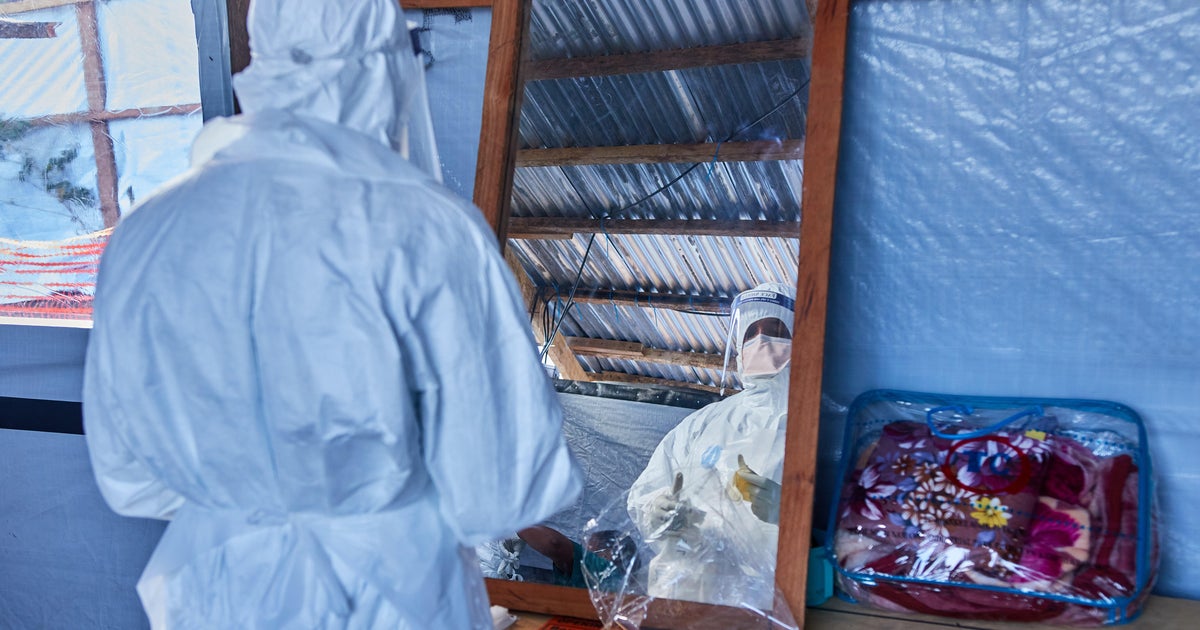
The U.S. government has imposed travel restrictions under Title 49 requiring U.S. citizens who have been in the Democratic Republic of Congo (DRC) to spend at least 21 days outside the country before boarding a commercial flight to the United States. The policy, enacted by the Trump administration based on guidance from HHS Secretary Robert F. Kennedy, Jr., follows warnings about the DRC Ebola outbreak and comes after non-U.S. citizens with recent DRC travel were already barred from travel to the U.S. U.S. health authorities report increased community spread of Ebola into the western DRC. The World Health Organization has documented 1,963 confirmed cases and 719 confirmed deaths in the outbreak. The administration is aware of about two dozen U.S. citizens affected by the restriction and says the State Department will assist them; the CDC will provide medical assessments. Separately, the CDC recently confirmed a U.S. citizen doing humanitarian work in the DRC tested positive for Ebola.
Biblical Reflection
From a Christian perspective, the move reflects a legitimate public-health concern to protect life and limit disease spread, but it also raises pastoral and ethical questions. The intent—to reduce importation risk—is consistent with loving neighbors by preventing harm. At the same time, emergency public-health measures can unintentionally stigmatize whole nations or marginalize humanitarian workers and vulnerable communities; Christians should watch for language or policies that breed fear, xenophobia, or blame. The article is largely factual about the policy and outbreak numbers, but naming political actors invites politicization; faithful discernment requires checking technical public-health sources (CDC, WHO) for details and ensuring decisions are guided by medical expertise rather than partisan signaling. Practically, Christians should advocate for both prudent protection (quarantine, screening, medical support) and compassionate care for those stranded, sick, or serving in the DRC—balancing truth (accurate risk assessment) with mercy (caring for the vulnerable) and humility (recognizing limits of our knowledge).
Scripture in context
This outlook does not yet include contextual Scripture citations. Do not treat a general biblical theme as an exegetical conclusion.
Faithful Response
No prescribed response is offered. Consider the reflection prompts below in your own church context.
Reflection and Discussion
- 1Are the travel restrictions proportionate and applied in a way that minimizes stigma and protects vulnerable people, including humanitarian workers?
- 2Does media and political framing emphasize fear over facts, and are we looking to specialist public-health sources for guidance rather than partisan cues?
- 3How can Christian communities support those affected—both by providing practical help and by resisting xenophobic or punitive narratives?
Sources
Reporting links are evidence inputs; Sanctuary News' biblical reflection is commentary.
This outlook currently relies on fewer than two linked sources. Broaden verification before teaching from it.
- 1.Original reportprimary