News Summary
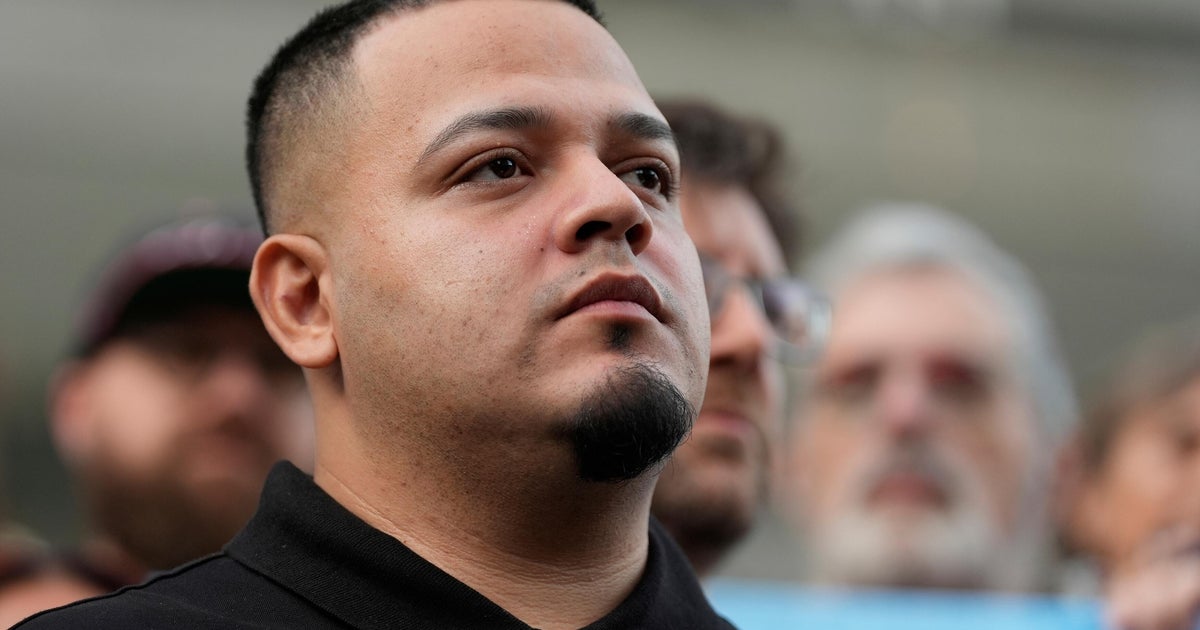
The Department of Homeland Security asked U.S. District Judge Paula Xinis to dissolve her order blocking Immigration and Customs Enforcement (ICE) from deporting Kilmar Abrego Garcia to Liberia. Government filings state Liberia is willing to accept him and that ICE could arrange a charter flight within about five days; the administration asked for a ruling by April 17. Abrego Garcia, a Salvadoran national who lived in Maryland with his family, was mistakenly deported to El Salvador in March 2025 and was returned to the U.S. last summer to face criminal charges of human smuggling. The Trump administration previously alleged he was affiliated with MS-13, which he denies. A 2019 court order had blocked his deportation to El Salvador on grounds he could face harm there. His attorneys say the criminal charges are vindictive, connected to a civil suit he filed successfully challenging his earlier removal.
Biblical Reflection
This story raises several moral and spiritual concerns Christians should weigh prayerfully. First, the facts as reported — a mistaken deportation, a court order meant to protect a person from harm, and subsequent criminal charges following successful legal challenge — point to the need for justice, due process, and protection of the vulnerable. Scripture repeatedly calls God’s people to care for the stranger and to act justly (see Micah 6:8). When government power is exercised, it must be constrained by truth, fairness, and respect for human dignity. The possibility that criminal charges are being used in retaliation against a litigant would, if true, violate biblical imperatives against injustice and vengeance (Romans 12:17–19). At the same time, Christians acknowledge the legitimate role of government in maintaining order (Romans 13:1–7), but that role is not license for abuses. Pastoral conviction here is twofold: defend the rights and safety of those who are vulnerable — including immigrants who may be wrongly accused or at risk of harm — and press for transparent, lawful processes that avoid vindictiveness. Practically, that means supporting due-process protections, advocating for humane treatment and legal representation for detainees, and holding leaders accountable without demonizing all officials. Followers of Christ are called to be both merciful and just: to seek the truth, to protect the oppressed, and to pray for those in authority to govern with wisdom and righteousness.
Scripture in context
This outlook does not yet include contextual Scripture citations. Do not treat a general biblical theme as an exegetical conclusion.
Faithful Response
No prescribed response is offered. Consider the reflection prompts below in your own church context.
Reflection and Discussion
- 1Where can I, my church, or my community act to protect the dignity and safety of immigrants and those facing legal vulnerability?
- 2When I hear reports of possible abuse of power, how will I balance respect for lawful authority with a commitment to justice and mercy?
- 3Am I praying for both the accused and the authorities involved — asking God for truth, repentance where needed, and protection for the vulnerable?
Sources
Reporting links are evidence inputs; Sanctuary News' biblical reflection is commentary.
This outlook currently relies on fewer than two linked sources. Broaden verification before teaching from it.
- 1.Original reportprimary