News Summary
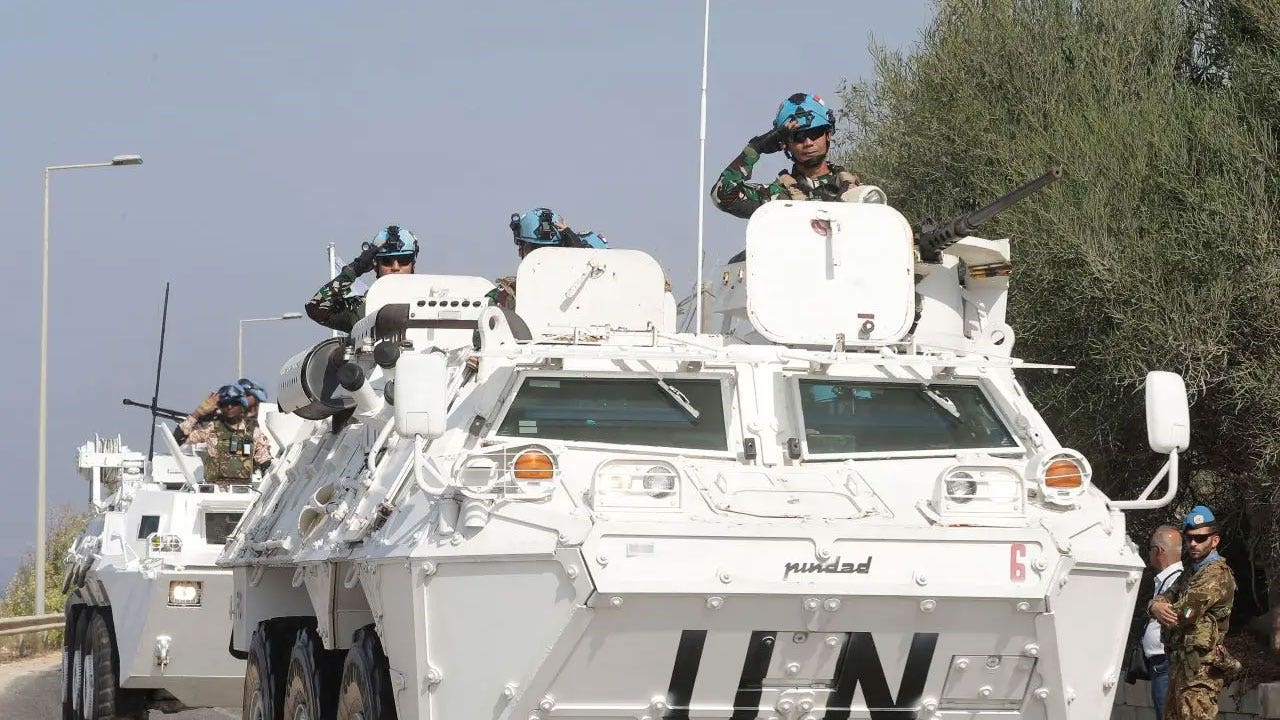
Reported facts: The Fox News article reports that the U.N. General Assembly approved a peacekeeping budget of roughly $5.1 billion (about $550 million or 9.7% below the prior year) and that the U.N. regular budget was cut by 15% in December; U.S. officials say this and other measures amount to more than $1 billion in assessed budget reductions over six months. The General Assembly also approved a four-year trial changing the rules on returning unspent funds so that credits are returned only when cash has actually been received. Attributed claims: U.S. Ambassador Jeff Bartos and other U.S. officials claim the cuts and rule change are evidence of reform driven by U.S. leadership and that the credit-rule change could save the U.N. more than $1 billion over three years. UN officials (quoted) described the reductions as 'unprecedented' and welcomed the predictability. Uncertainties: The article does not provide independent corroboration of projected savings, detailed budget-line impacts, or evidence of how cuts will affect specific missions, humanitarian programs, or vulnerable populations.
Source and Framing Analysis
Source role: The piece is primary reporting from Fox News that relies heavily on statements from the U.S. Ambassador for U.N. Management and Reform and U.N. spokespeople. Missing voices: the article lacks independent budget analysts, representatives of affected U.N. field missions, humanitarian NGOs, or detailed member-state perspectives beyond U.S. and UN officials. Incentives and framing: the report foregrounds U.S. leadership and frames the reductions as a reform victory, which aligns with political incentives to claim credit for institutional change. Disputed or uncertain claims: the projected multi-year savings, the net operational effect on peacekeeping/humanitarian capacity, and the characterization of reforms as 'unprecedented' require independent verification. What to verify independently: audited budget data, line-item impacts on operations, assessments from neutral budget or peacekeeping experts, and statements from NGOs and host countries about operational consequences.
Biblical Reflection
From a Christian perspective, accountability and wise stewardship of resources are good and necessary; pressuring institutions toward transparency can reflect those values. At the same time, budget cuts to multinational institutions that manage peacekeeping and humanitarian operations risk harming vulnerable people if savings are pursued without careful analysis of downstream effects. The article largely conveys the U.S. administration’s claims and self-attribution of credit without substantial independent verification or voices from affected missions, aid agencies, or member states beyond quoted officials. Christians should welcome efforts to curb waste, but also remain alert to political framing that prizes efficiency or leverage over mercy and the protection of the weak. Discernment calls us to ask whether reforms protect the common good and the oppressed, not only reduce headline numbers.
Scripture in context
- 1Isaiah 1:17 — Isaiah addresses a nation whose religious forms had become disconnected from justice and care for the oppressed; the prophet calls Israel to 'learn to do good' by seeking justice and defending the vulnerable as integral to true worship. — Applied to public budgeting and institutional reform, the passage calls Christians to advocate for systems that are both accountable and protective of the weak — to press for transparency while resisting cuts or policies that would abandon those in need.
Faithful Response
Pray for leaders, U.N. missions, and vulnerable populations affected by budget changes, asking for wisdom and protection.
Seek reliable information: encourage congregants to consult independent budget analyses and humanitarian organizations before drawing conclusions about impact.
Advocate with temperance: write to representatives and engage public forums asking for both accountability and safeguards for humanitarian and peacekeeping missions.
Support reputable relief agencies that work on the ground so immediate needs are not left unmet amid political shifts.
Reflection and Discussion
- 1Which stakeholders (peacekeepers, local civilians, humanitarian agencies) are missing from this coverage, and how might their perspectives change the story?
- 2What independent data would change your assessment of whether these budget changes are responsible reform or harmful retrenchment?
- 3How does political credit-taking in coverage influence our willingness to accept claims of efficiency without scrutiny?
Sources
Reporting links are evidence inputs; Sanctuary News' biblical reflection is commentary.
This outlook currently relies on fewer than two linked sources. Broaden verification before teaching from it.
- 1.Trump administration touts more than $1B in UN budget cuts as reform push gains momentumprimary_reporting