News Summary
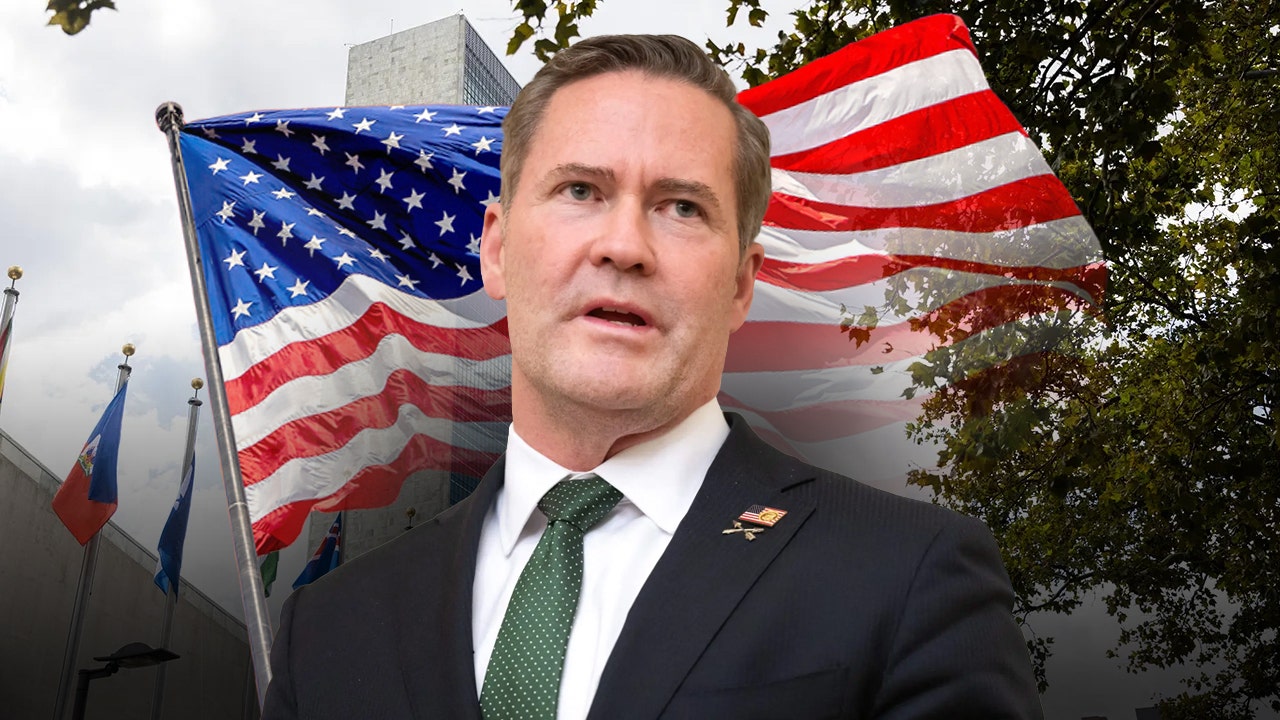
At a U.S. Mission to the United Nations forum in New York, Ambassador Mike Waltz and other Trump administration officials presented a "Trade Over Aid" model that favors private investment, trade and U.S. corporate involvement as the primary means of advancing development abroad. Officials said USAID was reorganized under the State Department in 2025 and described the new approach as reducing dependency on taxpayer-funded assistance, creating jobs, and aligning development with U.S. foreign policy and commercial interests. The forum included representatives from governments, U.N. and multilateral agencies, and major corporations (Microsoft, Google, JPMorgan, Goldman Sachs, Boeing, Walmart, Mastercard, Meta). Supporters argued trade and investment build dignity and sustainable growth; critics and some participants cautioned that aid remains essential for emergencies, fragile states, and markets too risky for private capital. The initiative has engaged 46 countries and launched a digital library of capacity-building offers, but officials acknowledged the effort is in early stages and has produced limited concrete transactions so far. U.S. officials urged multilateral risk-mitigation tools (DFC, World Bank guarantees) to attract private capital into higher-risk environments.
Biblical Reflection
This policy shift contains elements Christians can affirm—encouraging work, economic opportunity, and dignity through sustainable commerce—but it also raises moral and practical concerns. Framing development primarily as an arena for private-sector opportunity risks sidelining the poorest and most vulnerable who cannot attract investment: those in acute humanitarian crises, conflict zones, or places with weak institutions. The article's sourcing (exclusive access at a U.S. Mission event, heavy presence of corporate and administration voices) skews toward the proponents' viewpoint and underplays counterarguments about emergency relief, rights-based obligations, and long-term state-building. From a biblical perspective, we should value policies that seek human flourishing and stewardship of resources, yet insist they protect the weak, ensure justice, and are accountable to truth rather than profit alone. Christians called to love neighbor should press for transparency, safeguards against exploitation, and continued capacity for rapid humanitarian response where markets cannot deliver.
Scripture in context
This outlook does not yet include contextual Scripture citations. Do not treat a general biblical theme as an exegetical conclusion.
Faithful Response
No prescribed response is offered. Consider the reflection prompts below in your own church context.
Reflection and Discussion
- 1Who benefits most from shifting development toward private investment, and who risks being left without help when markets avoid fragile places?
- 2How might motives tied to national commercial interests and corporate profit shape which countries and projects receive attention or guarantees?
- 3Are existing safeguards adequate to ensure that a private-sector-led model will protect human dignity, deliver emergency relief, and serve the poorest?
Sources
Reporting links are evidence inputs; Sanctuary News' biblical reflection is commentary.
This outlook currently relies on fewer than two linked sources. Broaden verification before teaching from it.
- 1.Original reportprimary