News Summary
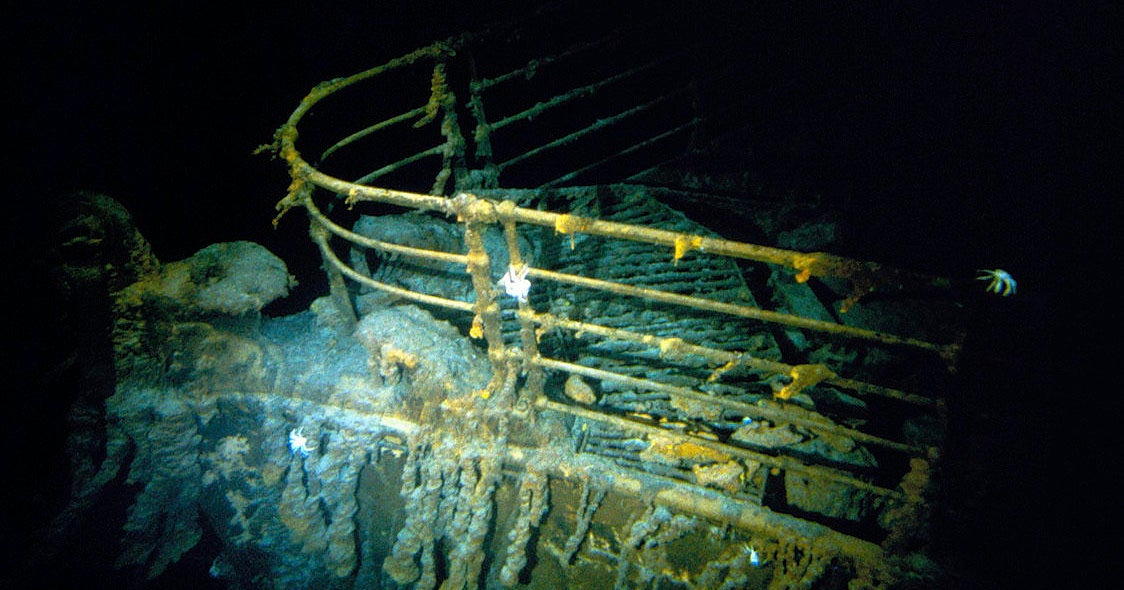
RMS Titanic Inc., which holds exclusive salvage rights to the Titanic wreck, proposed auctioning more than 100 artifacts—personal items and ship objects—for the first time and displaying them on a global tour. Newly unsealed U.S. court documents show the National Oceanic and Atmospheric Administration (NOAA) opposes the planned sale, arguing it would violate RMS Titanic’s legal obligations and existing court conditions that require artifacts to be kept together and exhibited rather than sold individually. RMS Titanic contends court approval is not required and has previously said the sale would not violate orders; its lawyers have not commented on the newly unsealed filings. Since 1987, salvage operations have recovered thousands of items and portions of the hull; some early-recovered items were taken to France and awarded to the salvager there. NOAA maintains that all roughly 5,000 items should remain one collection under U.S. court conditions, while RMS Titanic argues the U.S. court lacks jurisdiction over items claimed in France. Preservation groups, victims’ relatives, and some courts previously opposed sales by the company. The article notes that certain Titanic-related items salvaged by survivors or rescuers have been sold at auction in recent years for high prices, and it quotes experts who favor careful archaeological recovery and nonprofit stewardship over private sales.
Biblical Reflection
This dispute raises questions of stewardship, dignity, and the public trust. On one side is a private company asserting property and funding needs; on the other is a government agency and preservation advocates arguing for legal and ethical limits to commodifying a site where more than 1,500 people died. The underlying worldview of the auction proposal is transactional: artifacts as assets to monetize. The opposing view treats the wreck as collective cultural and memorial heritage that should be preserved, contextualized, and handled with care. Christians should weigh both legal rights and moral responsibilities. Truth requires clear, transparent accounting of legal claims and provenance; mercy and neighbor-love call us to respect the memory of the dead and the feelings of survivors’ descendants rather than treating personal effects as trophies. Humility and justice counsel caution about setting precedents that prioritize profit over shared history and public access. Practically, this means supporting lawful processes, demanding transparency about ownership and intent, and preferring preservation and public exhibition over private dispersal where the items have clear ties to victims.
Scripture in context
This outlook does not yet include contextual Scripture citations. Do not treat a general biblical theme as an exegetical conclusion.
Faithful Response
No prescribed response is offered. Consider the reflection prompts below in your own church context.
Reflection and Discussion
- 1Whose interests are served if artifacts become private property—public memory and descendants, or private collectors and corporate revenue?
- 2Does selling personal items from a disaster site change how society remembers the people who died there, and what precedent would that set for other heritage sites?
- 3Are legal arguments about jurisdiction and ownership being used to obscure ethical duties to preserve and honor human remains and personal effects?
Sources
Reporting links are evidence inputs; Sanctuary News' biblical reflection is commentary.
This outlook currently relies on fewer than two linked sources. Broaden verification before teaching from it.
- 1.Original reportprimary