News Summary
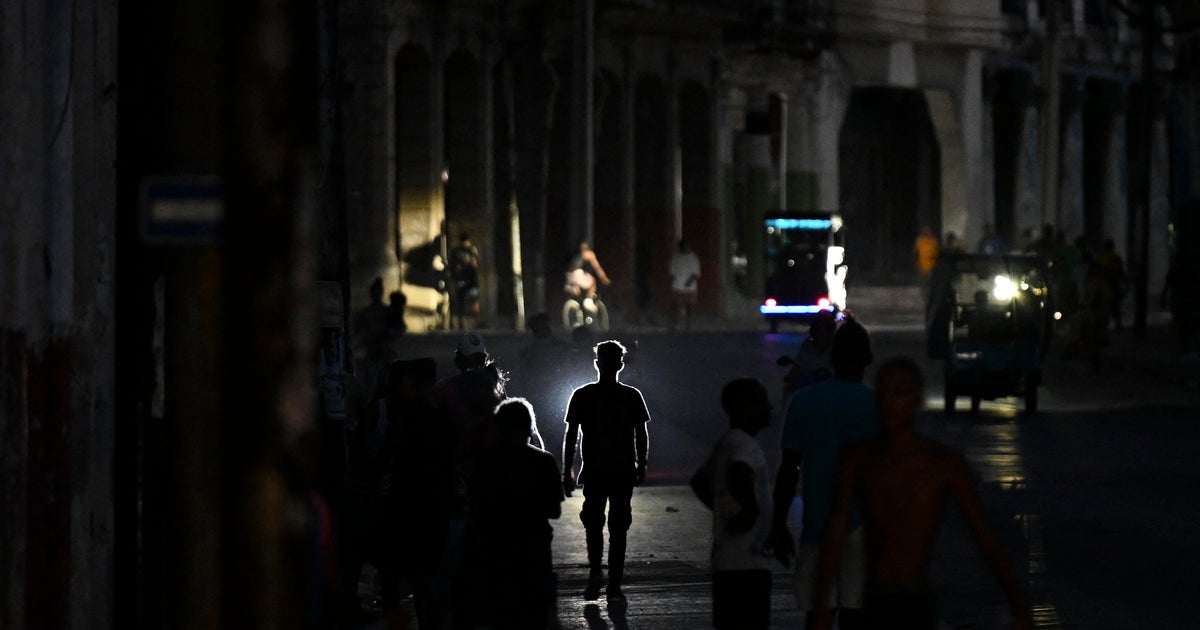
Cuba's national electricity grid suffered a major failure early Thursday that cut power across the island's eastern provinces and caused extended outages in Havana. Cuban authorities said crews are working to restore power but gave no timeline. The outage follows months of fuel shortages; Cuban officials, including Energy Minister Vicente de la O Levy, reported the country has little or no diesel or reserves and described the situation as critical. The blackouts have forced reduced work hours, spoiled food, disrupted refrigeration, and led some hospitals to cancel surgeries; residents in some neighborhoods publicly protested the outages.
The U.S. State Department offered $100 million in direct humanitarian assistance to the Cuban people, saying it would be distributed in coordination with the Catholic Church and other independent humanitarian organizations. The U.S. characterized the decision to accept the aid as resting with the Cuban government. Cuba's embassy in Washington confirmed the offer and said it remains unclear whether the aid would be cash or in-kind and whether it would be targeted to urgent needs such as fuel, food, and medicine. Cuban President Miguel Díaz-Canel said Cuba would not block aid delivered according to humanitarian norms but reiterated that lifting or easing U.S. sanctions would more quickly alleviate the damage.
A U.S. delegation that included CIA Director John Ratcliffe visited Cuba and met with Cuban officials, including Interior Ministry representatives. U.S. officials said the delegation brought a message from former President Trump about engaging on economic and security issues if Cuba makes fundamental changes; U.S. comments linked aid and engagement to political and security demands. The Cuban government issued a statement saying exchanges with the U.S. delegation demonstrated Cuba does not threaten U.S. national security and disputed reasons for restrictive U.S. designations. Russia has previously sent at least one fuel shipment and announced plans for another; Mexico also said it sent a ship carrying humanitarian aid. Cuban officials and state media have blamed a combination of long-term grid deterioration and the impact of U.S. sanctions for the crisis. Reporting agencies involved include CBS News, The Associated Press, and Reuters.
Biblical Reflection
From a Christian perspective the immediate human reality is clear: people are suffering—families losing food, hospitals canceling surgeries, and communities forced into hardship. The call to care for the vulnerable is unambiguous in Scripture, and humanitarian aid that relieves suffering is a moral good. At the same time, this story is embedded in geopolitical interests. The U.S. offer of aid is presented publicly as humanitarian while U.S. officials and Cuban leaders both frame it within broader political and security conditions. Cuba’s leaders emphasize sanctions and call for their easing; U.S. officials emphasize accountability and political change. Both positions contain elements of truth and self-interest.
Christians should therefore practice discernment on two levels: (1) Evaluate the immediate need apart from political framing—do people need food, medicine, fuel, and medical care now?—and (2) recognize how aid can be politicized. Scripture calls us to give without seeking to “score” politically (Matthew 6:1–4) and to speak truth and justice to power (Proverbs 31:8–9). Churches and faith-based agencies can be especially important as neutral, trusted channels for assistance, but they must guard against becoming tools of geopolitical messaging. Also watch for simplifications in media accounts that attribute complex infrastructure failures solely to external actors or solely to internal mismanagement; both structural decay and international pressures are reported here.
In short: compassion for suffering is primary and immediate; prudent engagement requires awareness of political motives and a commitment to truth, transparency, and the dignity of the affected people. Christians can advocate for unimpeded humanitarian relief, pray for wisdom for leaders, and support trustworthy organizations working on the ground.
Scripture in context
This outlook does not yet include contextual Scripture citations. Do not treat a general biblical theme as an exegetical conclusion.
Faithful Response
No prescribed response is offered. Consider the reflection prompts below in your own church context.
Reflection and Discussion
- 1What parts of the coverage emphasize immediate humanitarian need versus political leverage, and how does that affect your assessment of the offer of aid?
- 2How should Christian organizations balance providing impartial relief with the reality that governments may attach political conditions to assistance?
- 3Where might spiritual formation (truth-telling, mercy, and humility) call the church to act differently than secular actors in this crisis?
Sources
Reporting links are evidence inputs; Sanctuary News' biblical reflection is commentary.
This outlook currently relies on fewer than two linked sources. Broaden verification before teaching from it.
- 1.Original reportprimary