News Summary
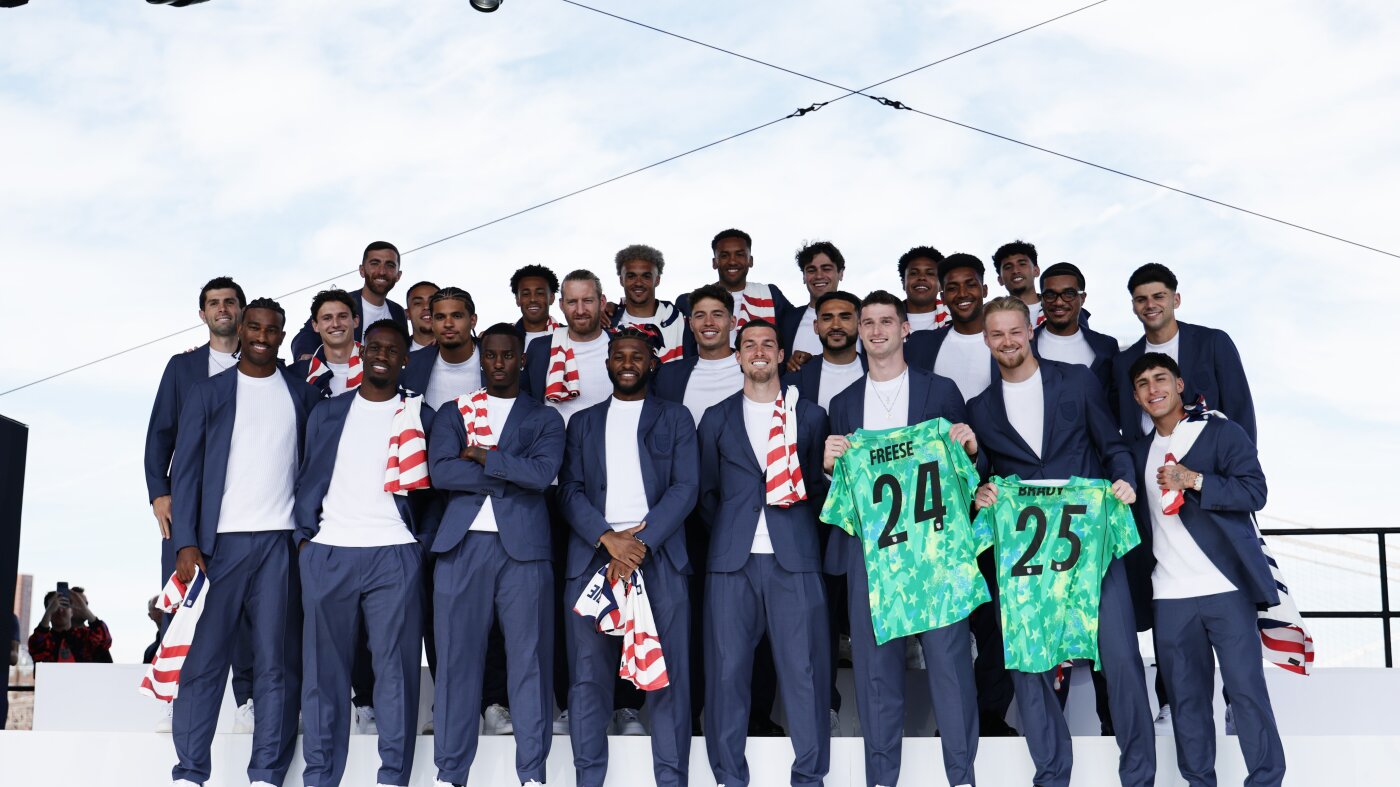
On Tuesday in New York City, U.S. men’s national team coach Mauricio Pochettino announced a 26-player roster for the 2026 FIFA World Cup. The tournament runs June 11–July 19, 2026, with matches in 16 host cities across the United States, Mexico, and Canada (U.S. host cities mentioned include Atlanta, Dallas, Houston, Seattle, Los Angeles, Philadelphia, San Francisco, Boston, Kansas City, Miami, and New York/New Jersey). NPR will provide coverage leading up to and during the championship. The roster blends veterans and newcomers: established players named include Christian Pulisic (AC Milan), Tyler Adams (Bournemouth), and Weston McKennie (Juventus). Alejandro Zendejas (Club América) is a notable, somewhat unexpected inclusion; he had limited minutes under Pochettino and had not played for the USMNT since September 2025. Notable omissions include Tanner Tessmann (Lyon) and Diego Luna (Real Salt Lake), both of whom have dealt with injuries this spring. About half the squad played at the 2022 World Cup in Qatar; 13 players are first-time World Cup selections, including Ricardo Pepi (PSV Eindhoven). Pochettino, hired in 2024, said selecting the group involved difficult decisions and that the team is focused on representing the country. The article lists the full 26-player roster by position: 3 goalkeepers (Chris Brady, Matt Freese, Matt Turner); 10 defenders (Max Arfsten; Sergiño Dest; Alex Freeman; Mark McKenzie; Tim Ream; Chris Richards; Antonee Robinson; Miles Robinson; Joe Scally; Auston Trusty); 4 midfielders (Tyler Adams; Sebastian Berhalter; Weston McKennie; Cristian Roldan); 6 attacking midfielders/wingers (Brenden Aaronson; Christian Pulisic; Gio Reyna; Malik Tillman; Tim Weah; Alejandro Zendejas); and 3 strikers (Folarin Balogun; Ricardo Pepi; Haji Wright).
Biblical Reflection
This article is straightforward sports reporting: it records selections, names notable inclusions and omissions, and notes context (tournament dates, host cities, coach comments). The tone is informational rather than argumentative. From a Christian perspective, national sports events can stir strong loyalties and civic pride — neither inherently good nor bad — but they reveal how communities gather around shared stories and heroes. Watch for two tendencies in sports coverage: elevation of individual stars and marketing narratives (which can overshadow lesser-known contributors), and a narrowing of focus to won/lost outcomes rather than character, teamwork, and stewardship of gifts. The roster’s mix of veterans and first-timers offers a reminder about mentorship, generational continuity, and grace in selection — themes consistent with Christian care for the neighbor. The inclusion of players with cross-border club ties (for example, a U.S. player at a Mexican club) also models how sport can bridge cultural and national differences. Pastors and churches can encourage healthy fandom: celebrate excellence and community-building, resist idolatry of athletes, and pray for players’ safety, integrity, and witness. The article itself aligns with objective facts; potential blind spots are its focus on star names and promotional aspects of the tournament rather than deeper human stories behind players’ journeys.
Scripture in context
This outlook does not yet include contextual Scripture citations. Do not treat a general biblical theme as an exegetical conclusion.
Faithful Response
No prescribed response is offered. Consider the reflection prompts below in your own church context.
Reflection and Discussion
- 1Which voices and stories does the report amplify (star players, marketing angles), and which players or human realities receive less attention?
- 2How does our enthusiasm for national sports both reflect healthy community and risk becoming an idol that crowds out deeper loyalties?
- 3In what ways can sporting events be opportunities for unity and witness rather than only competition and consumer spectacle?
Sources
Reporting links are evidence inputs; Sanctuary News' biblical reflection is commentary.
This outlook currently relies on fewer than two linked sources. Broaden verification before teaching from it.
- 1.Original reportprimary