News Summary
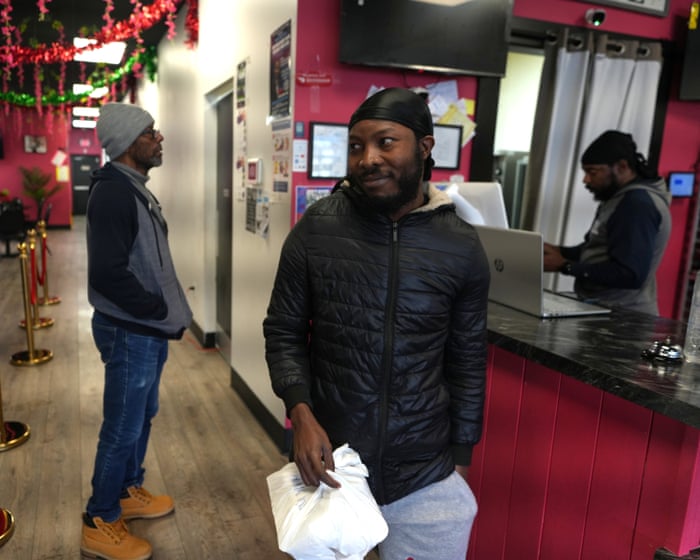
Reported facts: The Guardian reports the Trump administration seeks to end Temporary Protected Status for Haitians, which the article says would affect more than 330,000 people in the U.S. and that an estimated 13,000 are nursing assistants caring for about 65,000 patients daily. Attributed claims and personal testimony: Haitian TPS holders quoted in the story say they fear family separation and deportation to violence; an anonymous nursing-home worker describes long commutes and emotional bonds with residents. Uncertainty: the article does not include an official government statement within the piece, detailed DHS/USCIS documentation of the numbers cited, or an explicit legal timeline for termination and enforcement.
Source and Framing Analysis
The piece relies primarily on human-source testimony and a single news outlet’s reporting. That framing foregrounds personal impact and moral urgency, which highlights the humanitarian stakes but leaves material uncertainties: the government’s formal rationale and timeline, and independent verification of the workforce and patient numbers. These gaps affect how readers should weigh immediate policy implications versus pending legal and administrative processes.
Biblical Reflection
This report presents a concrete human consequence of immigration policy: legal status shapes whether people can work, care for family members, and avoid harm. From a Christian perspective, the lives and livelihoods described are not abstractions. The workers in the story are neighbors, caregivers, and members of families; their vulnerability raises clear moral concerns about justice, mercy, and the protection of the weak. Christians should weigh both the rule of law and the command to protect the stranger, asking whether policy decisions sufficiently account for human vulnerability and foreseeable harm.
The article centers human testimony, which rightly puts human dignity at the forefront; at the same time, it leaves open factual details that matter for fair judgment — the precise legal timeline, official government rationale, and independent verification of workforce numbers. Discernment requires holding the compassion the story evokes together with careful inquiry into facts and alternatives. Prayerful public engagement and neighborly care can co-exist with serious legal and civic conversation about how to balance national policy and humanitarian obligations.
Practically, Christians should respond with humility and truthfulness: defend those in genuine danger, care for neighbors irrespective of immigration status, and seek information before forming final policy judgments. The posture of Christ—truthful, merciful, and attentive to the vulnerable—should shape both personal action and public advocacy.
Scripture in context
- 1Leviticus 19:33–34 — In the Hebrew Scriptures this law instructs Israelites to treat sojourners living among them with the same justice and love owed to native-born members, because they themselves were once strangers in Egypt. — The passage calls the community to fair and compassionate treatment of noncitizen neighbors; applied today it challenges Christians to consider how policies affect the vulnerable and to care for those who rely on our protection.
Faithful Response
Pray regularly for affected families, policy makers, and agencies tasked with implementation.
Seek reliable information from official sources (DHS/USCIS) and reputable independent reporting before drawing policy conclusions.
Support local ministries and legal-aid organizations that assist immigrants with documentation, housing, and employment transitions.
Contact elected representatives to ask for humane, evidence-based policy that protects vulnerable families and maintains public safety.
Reflection and Discussion
- 1What assumptions do I bring about immigrants and immigration policy, and how do those assumptions affect my response to stories of human vulnerability?
- 2How should concern for the rule of law be balanced with obligations to protect people who would face violence or family separation if returned to their home country?
- 3Does my community have relationships or ministries that enable us to care practically for neighbors affected by immigration decisions?
Sources
Reporting links are evidence inputs; Sanctuary News' biblical reflection is commentary.
This outlook currently relies on fewer than two linked sources. Broaden verification before teaching from it.
- 1.‘We’re human beings’: Haitians in the US fear family separation and deportation to violenceprimary_reporting