News Summary
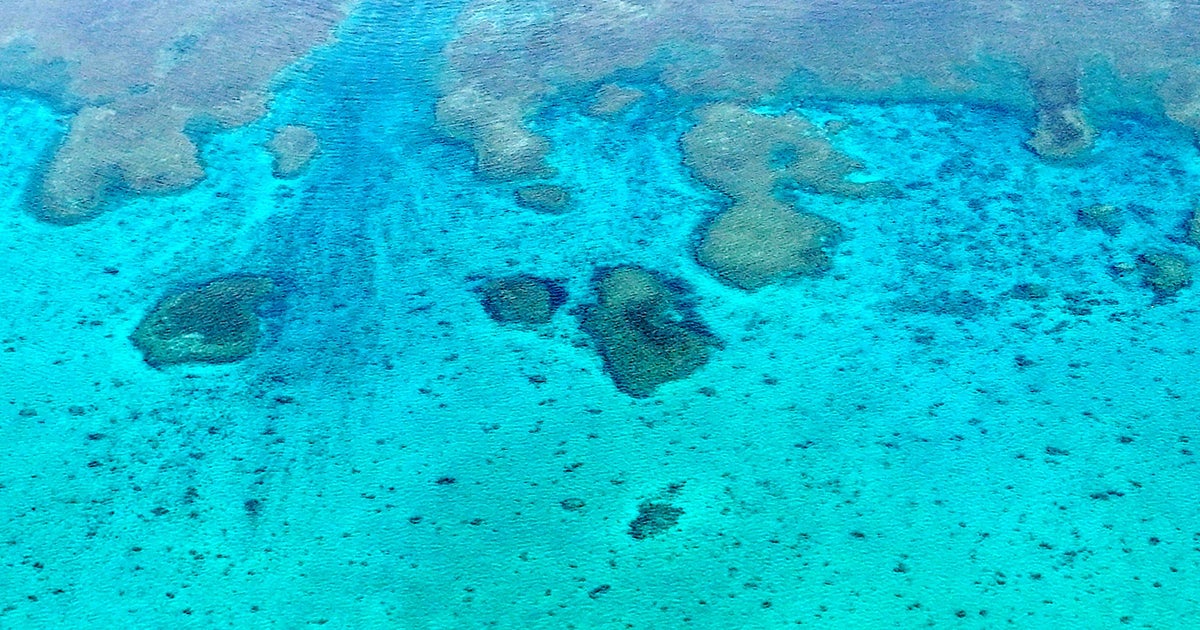
U.S. intelligence agencies are monitoring recent Chinese maritime activity at Scarborough Shoal, an uninhabited atoll in the South China Sea located roughly 140 miles west of the Philippine island of Luzon. Philippine authorities reported a 6-by-6-meter floating platform with what appeared to be an antenna and personnel operating on it inside the shoal; Philippine agencies say they have conducted aerial surveillance and coast guard monitoring. China described the installation as a "scientific structure," said the feature is within Chinese-controlled waters, and rejected Philippine objections. U.S. officials told CBS News they engaged China about the structure; Chinese military spokespeople said the platform was not military but did not fully disavow that the PLA could use elements of it. Scarborough Shoal sits within the Philippines' claimed exclusive economic zone but has seen a near-constant Chinese presence since a 2012 standoff. U.S. analysts and Philippine officials worry the recent activity may be an incremental step toward further consolidating Chinese control over disputed maritime features; the article notes past Chinese island-building and militarization in other parts of the South China Sea and references prior U.S. military planning and diplomatic objections from U.S. and Philippine officials regarding Chinese actions in the area.
Biblical Reflection
This report highlights a classic international-security tension—competing territorial claims, strategic maneuvering, and the risk of escalation. The article relies largely on anonymous U.S. officials and statements from the Philippine and Chinese governments; readers should note that intelligence-based reporting can reflect the perspectives and priorities of the agency sources. The underlying worldview of the coverage is security-centered: it emphasizes strategic threat, historical patterns of Chinese expansion, and the U.S. interest in defending an ally. That framing is valid given regional history, but it can underweight alternative motives (scientific research, domestic politics) and the perspectives of local communities most directly affected. From a Christian perspective we are called to seek truth, protect the vulnerable, and pursue peace. Truth requires careful attention to evidence and to the voices left out of the headline — especially local fishermen and ordinary Filipinos whose livelihoods and safety are at stake. Mercy and neighbor-love push toward de-escalation and diplomatic avenues that secure access and rights without normalizing coercion. Courage and humility point leaders and citizens alike to hold firmly to just principles (like respect for lawful maritime claims and international norms) while avoiding rhetoric that makes peace harder to achieve. Pray for clear-eyed diplomacy that defends rights and livelihoods but looks for nonviolent solutions that reduce the chance of conflict.
Scripture in context
This outlook does not yet include contextual Scripture citations. Do not treat a general biblical theme as an exegetical conclusion.
Faithful Response
No prescribed response is offered. Consider the reflection prompts below in your own church context.
Reflection and Discussion
- 1Whose evidence and voices does this report center, and whose perspectives (local fishermen, regional civil society, independent investigators) are missing?
- 2How does language that emphasizes 'aggression' or 'seizure' shape public support for military options versus diplomatic solutions?
- 3Are we prioritizing immediate strategic advantage or longer-term stability and the wellbeing of the people who live closest to the disputed waters?
Sources
Reporting links are evidence inputs; Sanctuary News' biblical reflection is commentary.
This outlook currently relies on fewer than two linked sources. Broaden verification before teaching from it.
- 1.Original reportprimary