News Summary
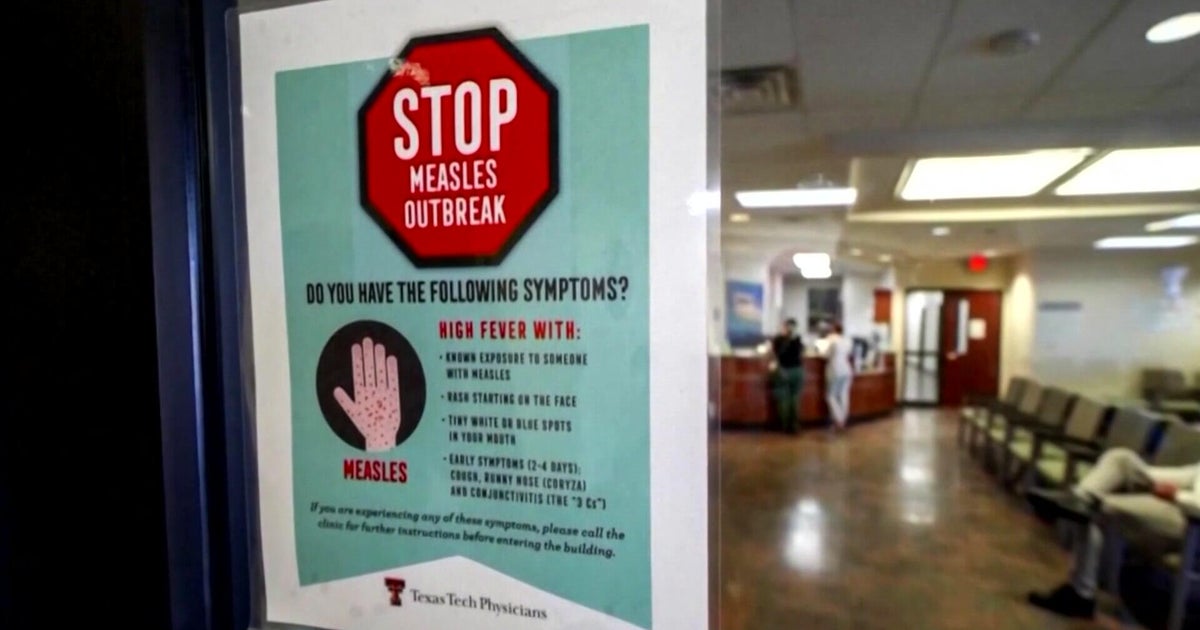
Reported facts: CBS News states that confirmed measles cases in the U.S. reached a 35-year high as of July 2026 and includes clinicians' on-the-ground accounts of frightened children. Attributed claims: clinicians are quoted describing patient fear and frontline stress; the headline quote "The child is terrified" is attributed to clinicians interviewed. Uncertainty: the article text supplied here does not include CDC or state-level data, geographic distribution, hospitalization or death counts, vaccination-coverage statistics, or explicit causes for the rise, so the scale and drivers of the outbreak are not independently verifiable from this single report.
Source and Framing Analysis
The piece foregrounds clinician testimony and an emotive headline to convey urgency; that framing highlights human suffering but does not by itself provide the epidemiological evidence needed to assess magnitude and cause. Material uncertainties include the data source for the "35-year high" claim and absence of contextual metrics (case counts by state, hospitalizations, age distribution, vaccination rates). The article's emotional focus (a frightened child) is valid reportage of human impact but should be balanced with transparent public-health data.
Biblical Reflection
The resurgence of a vaccine-preventable disease that disproportionately harms young children is a public-health concern that calls for sober Christian attention. Christians are called to love and protect vulnerable neighbors, especially children and those who are sick or fearful. That means listening to medical professionals, seeking reliable data, and supporting measures that reduce suffering while resisting panic and scapegoating.
At the same time, media accounts that foreground emotional testimonies ("the child is terrified") perform an important pastoral function by making suffering visible; they also require careful scrutiny. We should weigh clinicians' eyewitness testimony seriously while requesting transparent public-health data to understand scope and cause, because faithful response requires both compassion and truth.
Practically, Christian communities can be places of calm, accurate information, practical assistance, and pastoral presence: praying for the sick and anxious, assisting families in accessing medical care, and partnering with local health authorities to protect those at risk. Christians should model humility and mercy in conversations about causes and remedies, resisting divisive rhetoric and focusing on neighbor-love.
Scripture in context
- 1Luke 10:25-37 (Parable of the Good Samaritan) — In the Gospel of Luke, Jesus tells the Parable of the Good Samaritan in response to a question about neighbor-love, illustrating that true compassion crosses social boundaries and requires practical care for those in need. — This passage calls Christians to notice and attend to persons who are wounded and frightened, offering hands-on care (medical, emotional, practical) rather than passing by; in a public-health crisis, that ethic supports both compassionate presence and concrete measures to protect vulnerable neighbors.
Faithful Response
Pray for the sick and for public-health leaders; seek and share reliable public-health guidance (CDC, state health departments); help congregants access medical care and vaccinations if they are eligible; offer pastoral presence and practical support to families affected; avoid spreading unverified claims and instead encourage evidence-based safeguards that protect children.
Reflection and Discussion
- 1How should the call to love our neighbor shape public-health decisions and personal precautions when contagious illness rises?
- 2In what ways can we ensure our pastoral responses are rooted in verified information rather than fear or ideology?
- 3Who in our community is most vulnerable to this disease, and how can the church actively protect and serve them?
Sources
Reporting links are evidence inputs; Sanctuary News' biblical reflection is commentary.
This outlook currently relies on fewer than two linked sources. Broaden verification before teaching from it.
Download source notes