News Summary
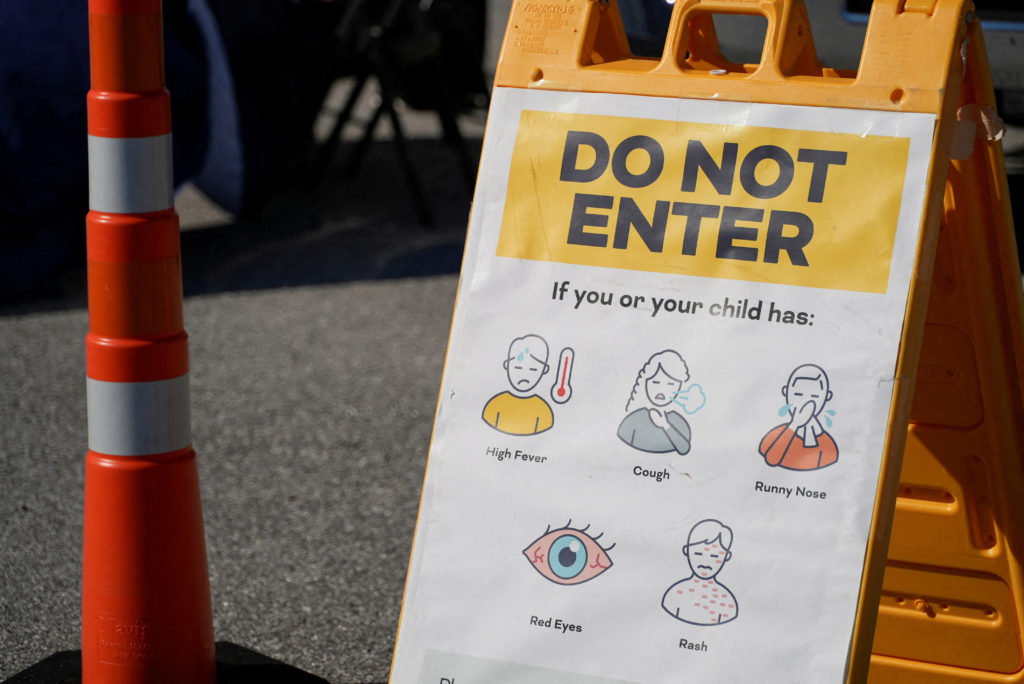
Facts reported: PBS NewsHour says 2026 U.S. measles cases have already surpassed total U.S. measles cases in 2025; it cites major outbreaks in South Carolina, Utah, and Arizona that have sickened hundreds and smaller clusters elsewhere. Attributed claims: the comparison to 1991 as the worst year since then is presented as a contextual claim; PBS does not provide CDC raw tables in the supplied package. Uncertainties: the precise case counts, time windows used for the comparison, and underlying data source (e.g., CDC weekly reports) are not included in the supplied material.
Source and Framing Analysis
The piece is reporting a public-health development and emphasizes the scale by comparing 2026 to 2025 and to 1991. That framing highlights severity but depends on underlying case counts and how those are aggregated (calendar year vs. outbreak season). The supplied package contains only the PBS report; direct CDC data, state health department statements, or detailed case counts are not in the evidence package, leaving verification gaps about exact totals and dates.
Biblical Reflection
Measles is a highly contagious, vaccine-preventable disease that disproportionately threatens young children and medically vulnerable people. Reporting that frames the year as a historic high should prompt sober attention rather than alarm: Christians are called to seek truth (test facts), to care for the sick, and to protect neighbors. The article rightly focuses attention on outbreaks that strain families and public-health systems; however, the comparison to prior years needs clear numeric context before it is used as a headline claim.
As followers of Christ, we should respond with both compassion and prudence. Compassion requires pastoral care for those who are sick and practical assistance for families affected by outbreaks. Prudence calls for supporting and trusting credible public-health guidance, encouraging vaccination where appropriate, and helping overcome barriers (access, cost, misinformation) so the vulnerable are protected. Reporting like this should move congregations toward mercy and service rather than fear or politicized resentment.
Finally, Christians must practice humility and truthfulness in public conversation: avoid exaggeration or minimization, affirm the reality of risk for specific communities, and advocate for just policies that ensure children and the medically vulnerable have access to prevention and care.
Scripture in context
- 1Matthew 25:31-46 — In this passage Jesus speaks about final judgment, using acts of care for 'the least of these' (feeding the hungry, visiting the sick and imprisoned) as the criteria by which people are judged; it addresses concrete neighbor-love and responsibility for vulnerable persons in a community. — The passage calls Christians to concrete care for those who are sick or marginalized. In the context of a disease outbreak, it supports practical compassion—caring for the ill, protecting children, and working to ensure equitable access to prevention and medical care—as part of faithful discipleship.
Faithful Response
Seek reliable information from public-health authorities (local health departments, CDC) before sharing or acting.
Ensure personal and family vaccination status is up to date according to public-health guidance and encourage access for those with barriers.
Offer practical help to affected families (meals, child care, transport to medical care) and pastoral care to those who are anxious or grieving.
Advocate locally for equitable access to vaccines, testing, and pediatric care, especially for uninsured or underserved communities.
Reflection and Discussion
- 1What assumptions does the headline comparison (this year vs. 1991 and 2025) make about scale and context, and how should that affect how I interpret the report?
- 2Who are the most vulnerable people affected by these outbreaks, and how can my church or network practically reduce their risk and meet their needs?
- 3Am I seeking and sharing reliable health information and acting in ways that honor both truth and neighbor-love rather than fear or partisan advantage?
Sources
Reporting links are evidence inputs; Sanctuary News' biblical reflection is commentary.
This outlook currently relies on fewer than two linked sources. Broaden verification before teaching from it.
- 1.There are already more U.S. measles cases this year than in all of 2025primary_reporting