News Summary
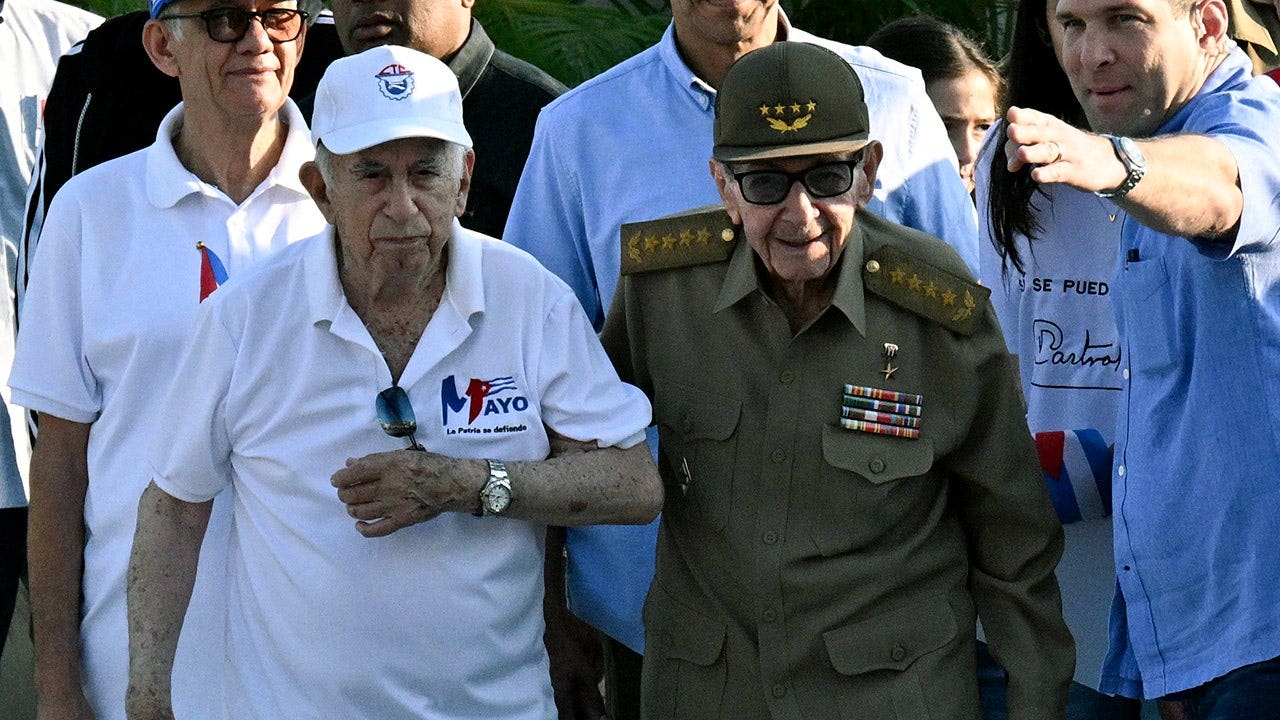
Rep. Carlos Giménez, writing in opinion, argues that Cuba’s communist government is weakening after decades of rule, citing recurring blackouts, medicine shortages in hospitals, and food scarcities. He and cited sources say the regime’s survival depends on the military-controlled conglomerate GAESA, which dominates tourism, banking, ports and other sectors. The piece asserts that Cuba has become a strategic outpost for U.S. adversaries, alleging expanded Chinese presence (described as suspected intelligence/surveillance facilities), continued Russian coordination, and growing Iranian influence in the region. Giménez highlights a recent U.S. indictment of former Cuban leader Raúl Castro over the 1996 shootdown of two civilian planes and reports the arrest in Miami of Adys Lastres Morera, described as a relative of a GAESA executive, whose U.S. residency was revoked by Secretary of State Marco Rubio. The article credits the Trump administration’s tougher sanctions and pressure tactics with contributing to the regime’s current vulnerability and criticizes the Obama-era opening as having legitimized and strengthened Cuba’s military elite.
Biblical Reflection
This is an opinion piece blending factual reports (power outages, shortages, legal actions) with political interpretation and contested security claims. Christians should prize truth and careful evidence: distinguish documented facts (humanitarian hardship, GAESA’s economic role, an indictment) from assertions that require independent verification (specific Chinese surveillance facilities, the degree of Russian/Iranian operational presence, the direct causal link between particular U.S. policies and regime weakness). Pastors and believers should respond with compassion for ordinary Cubans suffering hardship, a moral call for accountability for grave crimes, and prayer for wise, just policy-making. The article’s partisan framing — praising one administration’s approach and condemning another’s — invites caution: political rhetoric can occlude the real human cost of sanctions and instability. A Christian response values both truth and mercy: seek justice for victims, avoid triumphalism over another people’s suffering, and urge leaders to pursue policies that protect security while minimizing harm to civilians.
Scripture in context
This outlook does not yet include contextual Scripture citations. Do not treat a general biblical theme as an exegetical conclusion.
Faithful Response
No prescribed response is offered. Consider the reflection prompts below in your own church context.
Reflection and Discussion
- 1Which claims in this piece are established facts and which are interpretive or speculative—how should that affect our trust in the prescriptions offered?
- 2Does framing Cuba primarily as a strategic threat risk obscuring the Christian obligation to care for civilians who bear the brunt of political pressure?
- 3How do we weigh the pursuit of national security against the call to act with mercy toward vulnerable people when policies could deepen their suffering?
Sources
Reporting links are evidence inputs; Sanctuary News' biblical reflection is commentary.
This outlook currently relies on fewer than two linked sources. Broaden verification before teaching from it.
- 1.Original reportprimary