News Summary
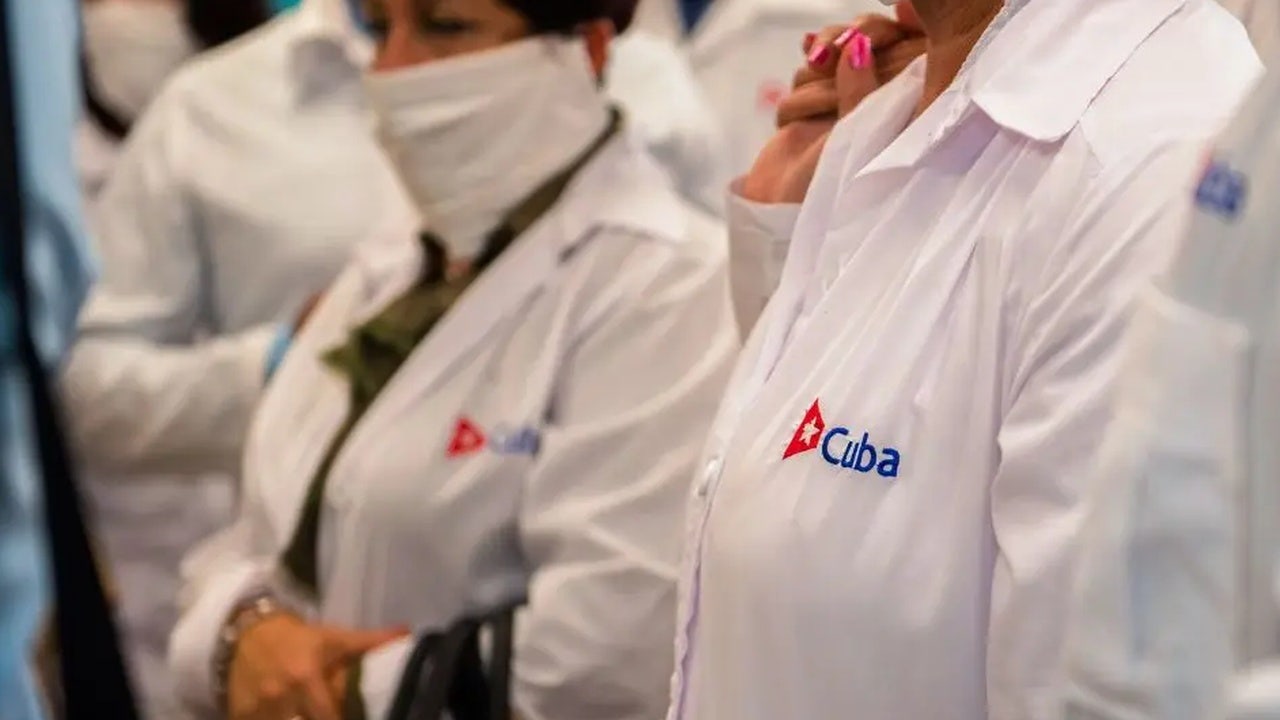
Rep. Mario Díaz-Balart wrote an opinion piece describing a provision in the Consolidated Appropriations Act of 2026 that requires the U.S. State Department to identify countries or groups that pay for Cuban medical personnel tied to Cuba's state-run medical missions. The law directs the State Department to notify listed countries; if a country remains on the list for two consecutive years it faces loss of U.S. foreign aid, potential travel bans for officials, and possible asset freezes within the United States. The article states the Cuban government has been labeled by the U.S. State Department as operating "human trafficking" or "forced labor" in this program since 2020 and cites estimates (reported in the piece) that the regime earns $4–8 billion annually while withholding the majority of doctors’ pay. The author says the law has prompted countries — named in the article as Guatemala, Jamaica, Guyana, St. Vincent and the Grenadines, Paraguay and Honduras — to reduce or end their use of Cuban doctors; some governments (for example, the Bahamas) are reported to be attempting to change payment arrangements so doctors are paid directly. The article also says visa restrictions have been used against officials from Brazil, Grenada and some African countries tied to the program. The piece is an opinion column authored by Rep. Díaz-Balart and frames the law as accountability for exploitation and as support for oppressed Cubans.
Biblical Reflection
From a Christian perspective, the moral clarity against forced labor and human trafficking is right and necessary: protecting bodily dignity and freedom is consistent with biblical concern for the oppressed. At the same time, the article is an opinion piece with partisan framing and selective emphasis — it praises a particular administration’s enforcement while contrasting it with unnamed past administrations. Facts cited (revenue estimates, percentages retained by the state) should be checked against independent sources; policy effects described are partly attributional (crediting the law and U.S. pressure for other countries’ decisions) and may oversimplify complex diplomatic and local healthcare considerations. Pastoral discernment calls us to hold together justice and mercy: punitive measures that pressure an authoritarian regime can be appropriate, but they also risk harming patients who rely on those services and the doctors who may already be vulnerable. Christian wisdom would press for policies that (1) prioritize the protection and agency of the doctors themselves, (2) provide alternatives so vulnerable communities do not lose access to care, and (3) avoid politicizing humanitarian needs. The piece’s framing leans toward a hardline enforcement worldview that centers state accountability; readers should watch for missing context about how partner countries negotiate these programs, what alternatives exist for their health systems, and how to support frontline health workers directly.
Scripture in context
This outlook does not yet include contextual Scripture citations. Do not treat a general biblical theme as an exegetical conclusion.
Faithful Response
No prescribed response is offered. Consider the reflection prompts below in your own church context.
Reflection and Discussion
- 1Who bears the immediate cost when a policy cuts off foreign aid or medical personnel — the authoritarian regime, the doctors, or the patients who rely on care?
- 2Are we evaluating this policy primarily through moral clarity about forced labor, or through political advantage — and how do those motives change how we act?
- 3What practical, compassionate alternatives (medical staffing, direct support to health workers, international monitoring) should accompany sanctions to prevent harm to civilians?
Sources
Reporting links are evidence inputs; Sanctuary News' biblical reflection is commentary.
This outlook currently relies on fewer than two linked sources. Broaden verification before teaching from it.
- 1.Original reportprimary