News Summary
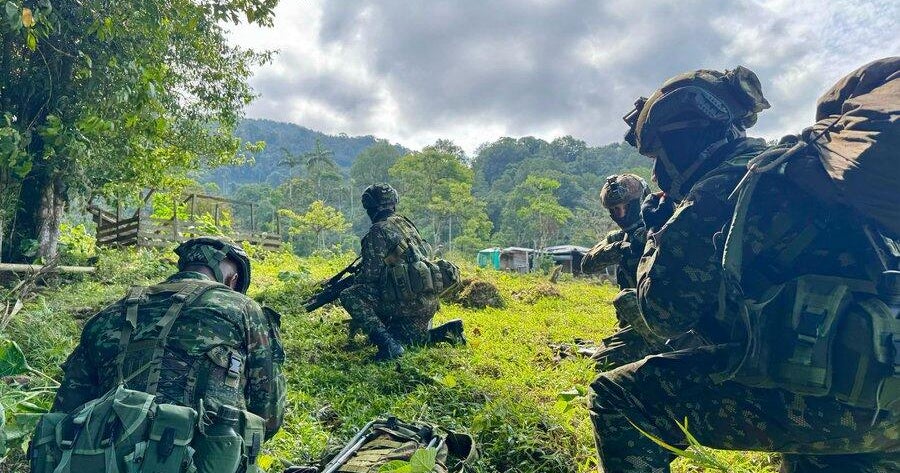
The Trump administration has officially designated the Colombian cartel Clan del Golfo (AGC) as a foreign terrorist organization, increasing financial pressure and potentially opening the way for military action against the group. The U.S. State Department describes Clan del Golfo as a violent criminal enterprise responsible for attacks on officials and civilians in Colombia, largely financed by cocaine trafficking. This move comes on the heels of strained relations between the U.S. and Colombia, particularly with President Gustavo Petro, who has been accused by the U.S. of enabling drug cartels—a charge he disputes. The cartel, with an estimated 9,000 fighters, operates in a third of Colombia’s municipalities, engaging in extortion, recruitment of children, and violence against law enforcement. Peace talks between the Colombian government and AGC are ongoing, with recent agreements to house fighters in special zones and suspend extradition during negotiations. The U.S. designation is seen as both symbolic and a warning to Colombia, amid broader regional tensions involving U.S. policy toward Venezuela and drug trafficking.
Biblical Reflection
From a biblical perspective, this article highlights the ongoing struggle between justice and the deep-rooted evil of organized crime. The violence, corruption, and exploitation—including the recruitment of children—by Clan del Golfo starkly oppose the teachings of Christ regarding the sanctity of life, the value of peace, and the protection of the vulnerable (Matthew 5:9, Proverbs 6:16-19). While governments are entrusted by God to restrain evil and promote justice (Romans 13:1-4), the means by which this is pursued must also reflect righteousness, mercy, and the pursuit of peace. The escalation toward military solutions and the risk of civilian harm raise serious ethical concerns. Scripture calls for justice, but not at the expense of innocent lives or by perpetuating cycles of violence (Micah 6:8). Peace talks and efforts at reconciliation, while fraught with complexity, resonate more closely with the biblical call for peacemaking and transformation than does a solely punitive response. Ultimately, the situation calls believers to pray for wisdom for leaders, protection for the innocent, and true repentance and change for those involved in violence.
Scripture in context
This outlook does not yet include contextual Scripture citations. Do not treat a general biblical theme as an exegetical conclusion.
Faithful Response
No prescribed response is offered. Consider the reflection prompts below in your own church context.
Reflection and Discussion
- 1How can Christians advocate for justice in a way that also values mercy and the protection of the innocent?
- 2What does it mean to seek peace and reconciliation in the midst of violence and conflict?
- 3How should believers pray for leaders and nations embroiled in such complex struggles with crime and corruption?
Sources
Reporting links are evidence inputs; Sanctuary News' biblical reflection is commentary.
This outlook currently relies on fewer than two linked sources. Broaden verification before teaching from it.
- 1.Original reportprimary