News Summary
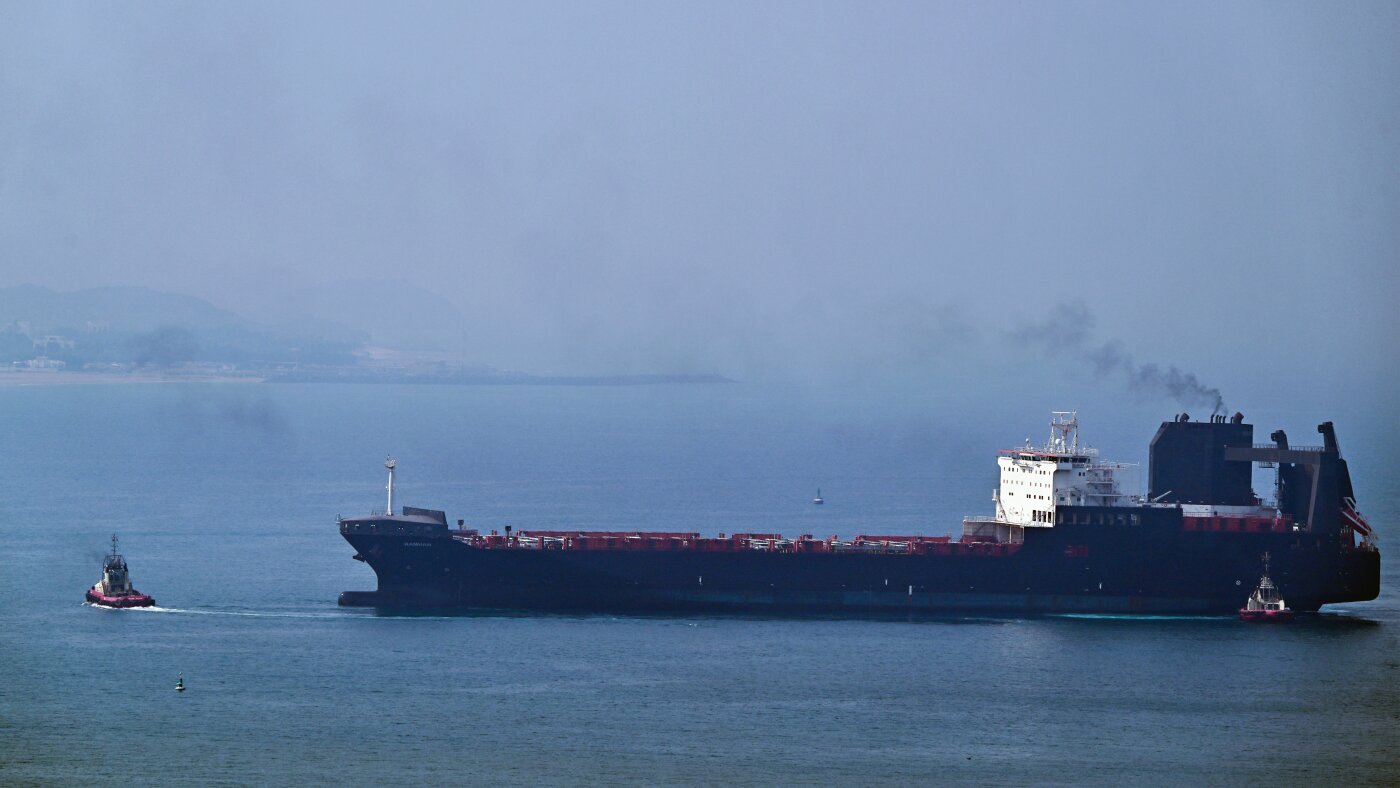
In late June the International Maritime Organization (IMO) organized an operation, with regional coastal states and industry, to move more than 600 trapped ships and over 11,000 seafarers out of the Strait of Hormuz along a southern route near Oman's coast. The evacuation stalled after a Singapore-flagged cargo ship, the Ever Lovely, was attacked while using that route; no group claimed responsibility. Iran's Revolutionary Guard criticized the operation for proceeding without Iranian involvement and asserted that only Iran could decide navigation routes. Analysts cited in the article say Iran is effectively asserting control over the strait following attacks earlier in the conflict between the U.S. and Iran and that such control threatens the long-standing norm of freedom of navigation. The piece notes the strait previously carried about one-fifth of the world's oil and gas and warns that recognizing unilateral control could set a precedent for other states to claim or restrict key international waterways. The article references international legal frameworks (such as UNCLOS, which neither the U.S. nor Iran have ratified) and comparisons to other managed straits like the Turkish Straits under the Montreux Convention. It also mentions a brief, retracted comment by former President Trump about the U.S. controlling the strait and collecting tolls.
Biblical Reflection
This reporting highlights a collision between power politics and the international rules that protect common goods like sea lanes. The article rests largely on Western and international-organization perspectives and expert warnings about precedent; Iranian motivations receive less direct explanation beyond state broadcaster objections. Biblically-informed discernment calls us to notice both the injustice of coercion and the human cost: seafarers, littoral communities, and the global poor depend on steady trade and energy prices. Christians should be wary of rhetoric that normalizes seizure of common resources or treats waterways as spoils of power, because Scripture repeatedly upholds justice, protection of the vulnerable, and respect for neighborly order. At the same time, faithful response requires speaking truth about security risks and pressing leaders toward diplomacy, restraint, and mechanisms that protect neutral goods. The piece is truthful in documenting events and credible in forecasting risks, but readers should watch for missing perspectives (regional civilian impacts, Iranian strategic reasoning, and non-Western diplomatic initiatives) and for language that treats ‘‘freedom of navigation’’ as an abstract interest rather than a matter of human safety and economic justice.
Scripture in context
This outlook does not yet include contextual Scripture citations. Do not treat a general biblical theme as an exegetical conclusion.
Faithful Response
No prescribed response is offered. Consider the reflection prompts below in your own church context.
Reflection and Discussion
- 1Whose voices and suffering are not fully represented in this coverage — the seafarers, coastal civilians, or regional diplomats — and how would their perspectives change our judgment?
- 2Do we frame freedom of navigation as a technical or legal issue, or as a moral one that affects real human lives and livelihoods?
- 3Are we accepting power-based solutions because they seem practical, and if so, what spiritual and ethical costs might be overlooked?
Sources
Reporting links are evidence inputs; Sanctuary News' biblical reflection is commentary.
This outlook currently relies on fewer than two linked sources. Broaden verification before teaching from it.
- 1.Original reportprimary