News Summary
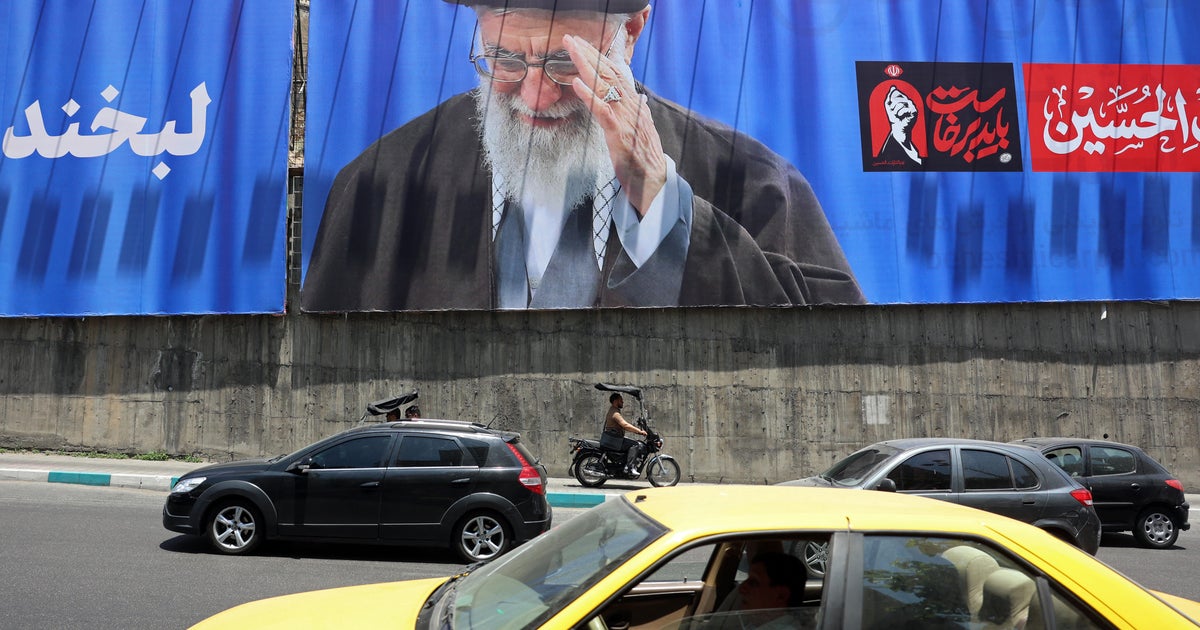
Indirect U.S.-Iran talks took place in Doha this week and, according to the U.S., Qatar and Pakistan, yielded "positive progress" on issues related to a 60-day memorandum of understanding that has been keeping a ceasefire in place. Those discussions will pause while Iran holds state funeral ceremonies for former supreme leader Ali Khamenei, who was killed on Feb. 28 in a U.S.-Israeli strike; Iranian officials expect large public turnout across multiple cities and international delegations. Pakistan's prime minister will attend the funeral. Iran's parliamentary speaker called for massive turnout and framed the event as a moment of national vengeance, language that raised concern. U.S. officials including President Trump and Vice President JD Vance described the talks as moving forward but kept military options open if Iran violates conditions such as nuclear constraints or attacks on shipping. Former U.S. national security adviser H.R. McMaster expressed skepticism, saying sanctions relief and asset unfreezing could empower Iran financially and militarily. Separately, Hong Kong carrier Cathay Pacific announced it will resume passenger flights to Dubai and Riyadh in September and freighter services to Riyadh in August, citing evolving conditions; U.S. naval forces reported an MH-60S helicopter emergency water landing in the Arabian Sea with three crew rescued and one still missing. Mediators said future meetings will be scheduled after the funeral processions.
Biblical Reflection
From a Christian perspective, this story exposes the fragile intersection of diplomacy, national grief, and the risk of renewed violence. Claims of "progress" in negotiations should be weighed against divergent incentives: mediators and political leaders seek de-escalation, but hardline rhetoric and calls for vengeance signal unresolved impulses toward retaliation. The article presents multiple voices—official optimism, mediator statements, and skeptical analysts—so readers should notice who benefits from each narrative. Biblically, the impulse to seek peace is commendable, but peace built on expedient concessions without accountability can enable further harm. Likewise, public calls for vengeance conflict with the Christian ethic of loving enemies and pursuing justice tempered with mercy. Pastoral discernment calls for humility toward political certainty, concern for civilians who bear the consequences of war, and sustained prayerful support for honest diplomacy that protects the vulnerable rather than merely serving geopolitical advantage.
Scripture in context
This outlook does not yet include contextual Scripture citations. Do not treat a general biblical theme as an exegetical conclusion.
Faithful Response
No prescribed response is offered. Consider the reflection prompts below in your own church context.
Reflection and Discussion
- 1Who stands to gain politically or materially from reports that talks are "progressing," and how does that shape the coverage?
- 2How does rhetoric that calls for vengeance affect the chances for durable peace and the protection of civilians?
- 3Are steps toward détente paired with credible safeguards and transparency, or do they risk empowering actors without accountability?
Sources
Reporting links are evidence inputs; Sanctuary News' biblical reflection is commentary.
This outlook currently relies on fewer than two linked sources. Broaden verification before teaching from it.
- 1.Original reportprimary