News Summary
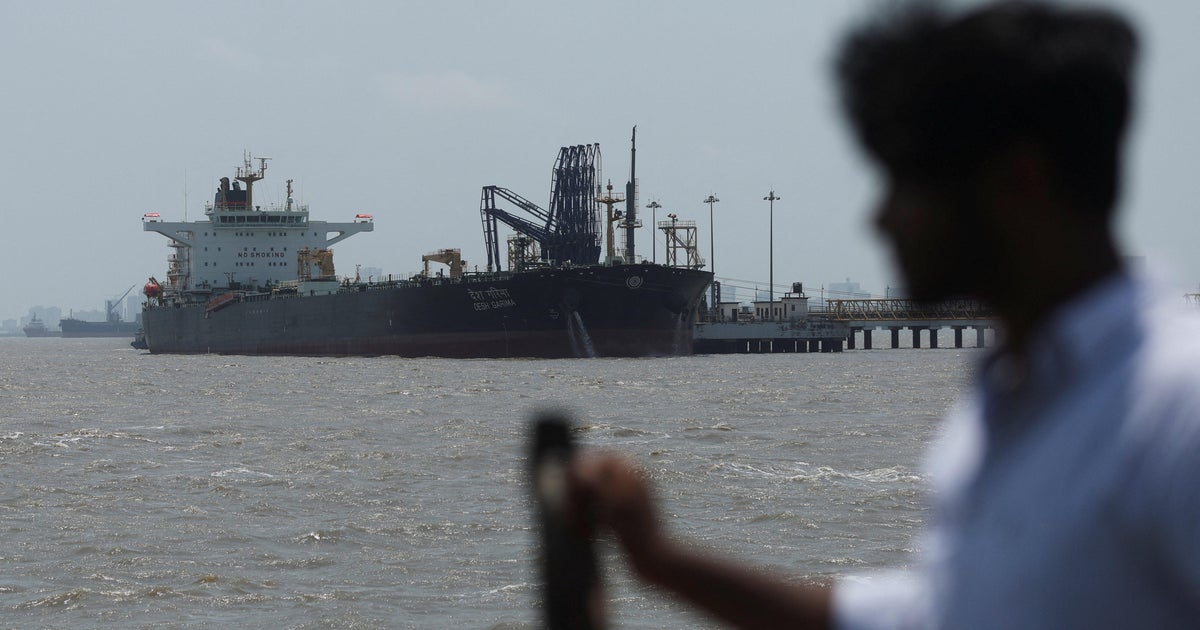
Israeli naval forces intercepted and boarded 22 vessels of the Global Sumud Flotilla (GSF) near Crete on April 30, 2026; Israel called the convoy a provocation and said roughly 175 activists would be taken to the Greek coast and were unharmed. GSF accused Israel of seizing and disabling boats and called the action piracy. The flotilla aimed to challenge Israel's naval blockade of Gaza; tracking showed additional vessels still heading toward Gaza. Separately, the U.S. and Iran remain in a fragile standoff: the U.S. is blockading Iranian ports and vessels while Iran has imposed restrictions on ships using the Strait of Hormuz and seized vessels accused of violations. The disruption to shipping has pushed Brent crude briefly above $126 per barrel—its highest level in four years—and raised broader inflation concerns. U.N. Secretary-General Antonio Guterres warned of severe global economic and humanitarian consequences if the Strait remains closed and the conflict continues. Iran’s leadership publicly defended its nuclear and missile capabilities and said a U.S. maritime blockade is unlawful and doomed to fail; Iran also says it is rebuilding naval capacity. Hostilities have included U.S.-Israeli strikes on Iran, Iranian and Hezbollah attacks on Israel, and extensive Israeli operations in Lebanon that officials say have killed and displaced thousands. On Capitol Hill, Defense Secretary Pete Hegseth, the chairman of the Joint Chiefs, and Pentagon finance officials testified on the Pentagon’s budget request and were questioned about war costs, weapons stockpiles, and requests for more drones, missile defense and ships. Reports indicate President Trump was to be briefed on military options, including potential strikes on Iranian infrastructure. The Pentagon estimates the Iran war has cost about $25 billion so far; broader economic effects include higher fuel and food prices globally.
Biblical Reflection
From a Christian perspective, this story raises several moral and spiritual concerns. First, the human cost: blockades, strikes, and restrictions on shipping are producing civilian suffering—displacement, hunger, and rising poverty—which Scripture repeatedly treats as a priority for compassion and justice (see Isaiah 1:17; Micah 6:8). Second, language and framing in the piece show competing narratives: states frame actions as lawful or necessary for security, activists call interdictions unlawful or piratical, and media reports combine official statements and group claims. Christians should therefore be attentive to bias and to what voices are absent—particularly those of ordinary civilians in Gaza, Lebanon, and Iran who bear the immediate harm. Third, the economic ripple effects (higher oil prices and inflation) disproportionately hurt the poorest globally; stewardship and concern for neighbors require that we consider the broader consequences of military policies, not only strategic goals. Fourth, the tension between legitimate national security concerns and the pursuit of peace is central: Scripture honors rulers’ responsibility to seek justice and protect the vulnerable (Romans 13), but it also calls Christians to be peacemakers (Matthew 5:9) and to weigh whether means serve a truly just end. Finally, the piece highlights how partisan and national allegiances can shape information and moral reasoning; Christians are called to pursue truth, to lament injustice, and to advocate for the protection of noncombatants while praying for wise leadership. In short, evaluate claims carefully, prioritize care for civilians, reject dehumanizing rhetoric, and press for policies that reflect both justice and the love of neighbor.
Scripture in context
This outlook does not yet include contextual Scripture citations. Do not treat a general biblical theme as an exegetical conclusion.
Faithful Response
No prescribed response is offered. Consider the reflection prompts below in your own church context.
Reflection and Discussion
- 1Which voices and suffering are most visible in this coverage, and which are marginalized or missing from the narrative?
- 2How does the article’s language (e.g., labels, quotes from officials) shape our sympathies and judgments about who is right or wrong?
- 3Are the economic and humanitarian consequences of military choices being weighed alongside stated security goals—and how should Christians weigh those trade-offs biblically?
Sources
Reporting links are evidence inputs; Sanctuary News' biblical reflection is commentary.
This outlook currently relies on fewer than two linked sources. Broaden verification before teaching from it.
- 1.Original reportprimary