News Summary
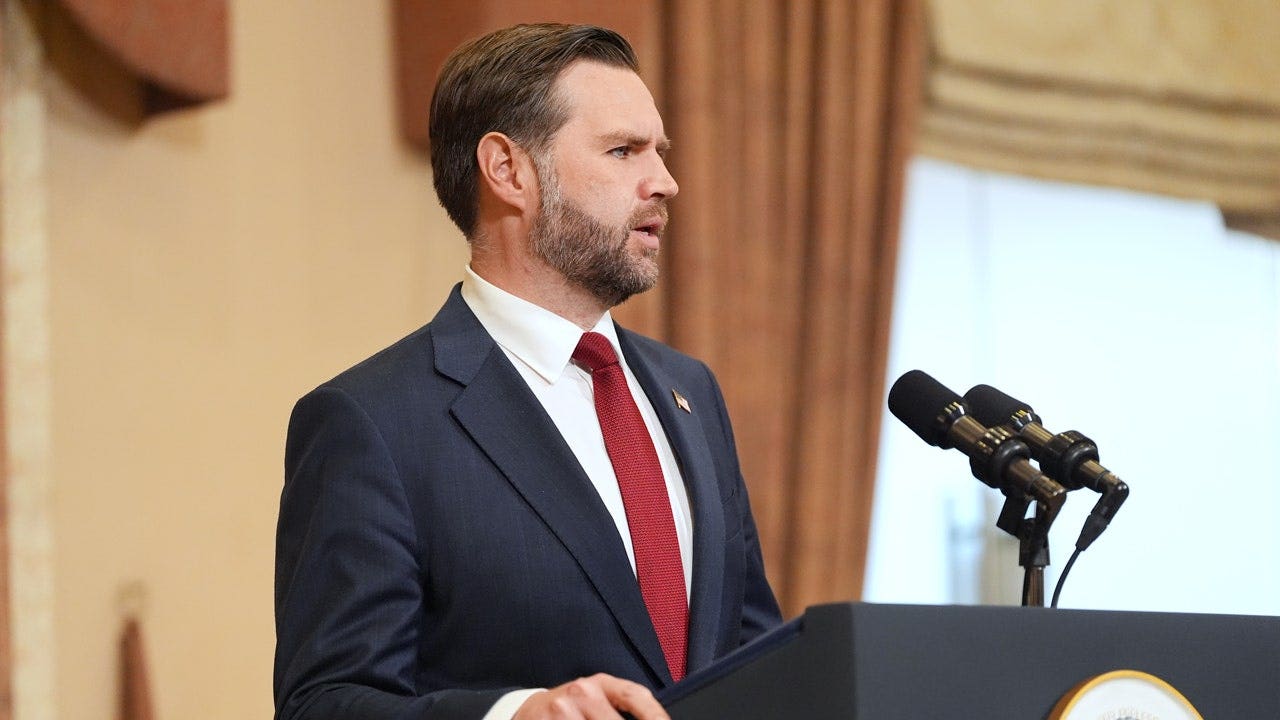
U.S. Vice President JD Vance traveled to Islamabad in April 2026 to lead direct talks between senior U.S. and Iranian delegations—the highest-level bilateral contact since Iran's 1979 revolution. After roughly 21 hours of sessions, the parties did not reach an agreement. The Iranian delegation, led by Parliamentary Speaker Mohammad Bagher Ghalibaf and Foreign Minister Abbas Araghchi, presented several firm demands including asserted sovereignty over the Strait of Hormuz, release of frozen assets, war reparations, and a comprehensive West Asia ceasefire. The U.S. side, reflecting President Trump’s framework, demanded Iran surrender highly enriched uranium, accept limits on defense capabilities, and guarantee long-term commitments not to pursue a nuclear weapon, with reopening the Strait of Hormuz central to any deal. Officials on both sides framed the other as untrustworthy; Tehran’s state media blamed Washington’s “excessive demands.” The talks ended with Vance describing the U.S. offer as “final and best,” and Tehran did not accept it. Separate diplomatic tracks (including potential Israel-Lebanon engagement at the State Department) remained under consideration. Observers and commentators quoted in the piece argued that diplomacy lacked strategic clarity and warned that failure of the ceasefire could increase pressure for renewed strikes or wider military escalation, while also noting the severe practical and human costs of any large-scale ground campaign in Iran.
Biblical Reflection
From a Christian perspective this report highlights the tragic and familiar tension between the pursuit of peace and the realities of power politics. The article frames diplomacy largely in terms of leverage, bargaining chips, and the inevitability of coercion when strategic clarity is lacking. That framing is truthful about how states often behave, but it carries an underlying realism (and at times a hawkish bias) that privileges military and coercive solutions as decisive while giving less attention to humanitarian costs, the lived experience of civilians, and the moral need to exhaust peaceful means.
Scripturally, Christians are called both to seek peace and to act justly. Matthew 5:9 honors peacemakers, but peacemaking does not mean naïve compromise with injustice nor does it mean treating diplomacy as mere theater. The article rightly insists on the need for clarity about objectives and consequences; biblical wisdom also calls leaders and citizens to discern motives (Proverbs 11:3) and to weigh the cost of violence (Luke 14:28-30). The piece tends to assume that good policy flows primarily from demonstrating strength; a Christian reading should test that assumption against calls to protect the vulnerable and pursue long-term reconciliation where possible.
Practically, the article’s worldview emphasizes state survival, deterrence, and regional balance. That outlook can obscure other goods the Bible prizes: repentance, restoration, and the transformation of hearts that undergird lasting peace. Christians should therefore receive the factual elements (failed talks, maximalist demands, stalled ceasefire) while resisting binary thinking that pits security against righteousness. Prayerful, patient statesmanship that seeks to minimize civilian suffering, pursue genuine agreements when possible, and be honest about the limits of force better reflects both prudence and the gospel call to love neighbor—even amid hard geopolitical realities.
Scripture in context
This outlook does not yet include contextual Scripture citations. Do not treat a general biblical theme as an exegetical conclusion.
Faithful Response
No prescribed response is offered. Consider the reflection prompts below in your own church context.
Reflection and Discussion
- 1What assumptions about strength, justice, and trustworthiness underpin this account—whose suffering and voices are emphasized, and whose are minimized?
- 2Does the article privilege short-term coercive options over patient diplomatic work and humanitarian concerns, and how should a Christian balance prudence with the call to seek restorative peace?
- 3How might the church pray for and support leaders to pursue strategies that protect the vulnerable while honestly accounting for political realities?
Sources
Reporting links are evidence inputs; Sanctuary News' biblical reflection is commentary.
This outlook currently relies on fewer than two linked sources. Broaden verification before teaching from it.
- 1.Original reportprimary