News Summary
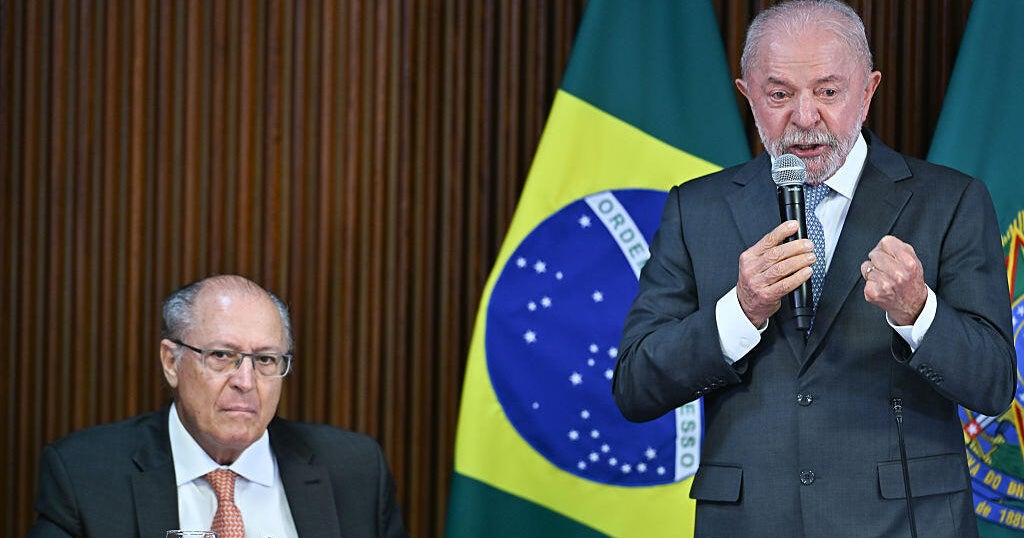
The U.S. will impose 25% tariffs on a range of imports from Brazil, effective July 22, following a yearlong Section 301 investigation by the Office of the U.S. Trade Representative that found various "unfair trade practices," including lax anti-corruption enforcement and Brazil's own tariffs. The White House exempted certain items that officials said are not produced in the U.S. or could disrupt supply chains — including coffee, beef, oranges and orange juice, some oil and gas products, and aerospace parts. U.S. Trade Representative Jamieson Greer cited issues such as punishment of U.S. tech companies for refusing to censor political speech, anti-corruption backsliding, and alleged advantages from illegally logged land. Senior administration officials said exemptions and product selection were intended to avoid economic disruption and target goods not duplicable in the U.S. Brazil's president, Luiz Inácio Lula da Silva, denied the findings and called the measures unjustified; he also cited the long-running U.S. goods and services surplus with Brazil. U.S. officials rejected suggestions that the action was politically motivated, saying the U.S. had given Brazil time to address concerns but saw insufficient progress. The action follows prior tariff actions and negotiations between the two countries, including earlier tariffs under former President Trump that were partially contested in court and a November 2025 lifting of 40% tariffs on some Brazilian goods after negotiation progress.
Biblical Reflection
From a Christian perspective, trade measures can be a tool for protecting workers and enforcing fair rules, but they must be exercised with truth, humility, and concern for neighbors. The announcement identifies concrete grievances, yet facts cited (for example, a long-term U.S. surplus with Brazil) complicate a simple narrative of American loss. There is also a real risk that economic measures become entangled with partisan politics or retaliation, which can harden relations and harm ordinary people — farmers, workers, and consumers — on both sides. Christian wisdom calls for transparency about motives, careful weighing of harms and benefits, and pursuing remedies that restore justice without pursuing vengeance. Practically, that means pressing for clear evidence, proportional remedies, continued diplomacy, targeted relief for those harmed, and readiness to seek reconciliation and cooperative solutions rather than escalating tit-for-tat measures.
Scripture in context
This outlook does not yet include contextual Scripture citations. Do not treat a general biblical theme as an exegetical conclusion.
Faithful Response
No prescribed response is offered. Consider the reflection prompts below in your own church context.
Reflection and Discussion
- 1Does the public framing emphasize corrective justice or political advantage, and how does that shape our trust in the policy?
- 2Who will bear the immediate economic cost of these tariffs — U.S. consumers, Brazilian workers, or specific industries — and are protections in place for them?
- 3Are diplomatic channels and measurable benchmarks being used to resolve disputes, or are punitive measures prioritized over negotiated remedies?
Sources
Reporting links are evidence inputs; Sanctuary News' biblical reflection is commentary.
This outlook currently relies on fewer than two linked sources. Broaden verification before teaching from it.
- 1.Original reportprimary