News Summary
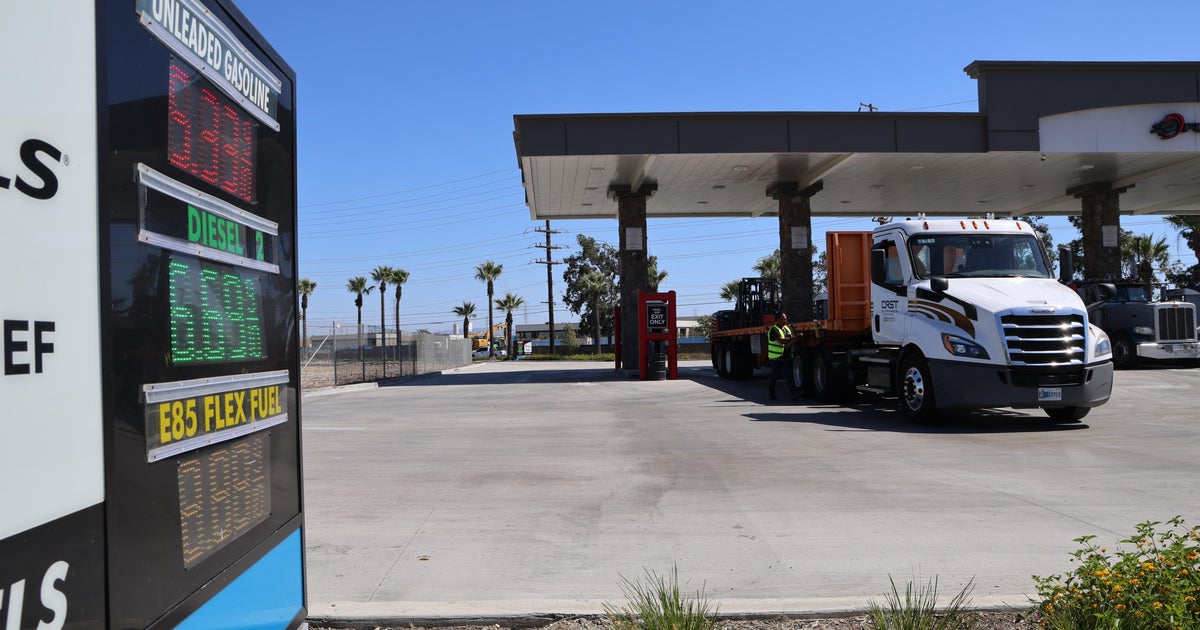
Facts reported: AAA data shows the U.S. national average for gasoline reached $4.003 per gallon on Monday; CBS described this as the first time in over a month the average exceeded $4; PBS corroborated the return to a $4 average and noted some states have already been above $4. Attributed claims: CBS frames the price rise in the context of escalated U.S.–Iran conflict; PBS describes U.S. and Iran launching attacks. Uncertainty: supplied reporting does not detail the specific events, timelines, or market mechanisms proving that the conflict directly caused the price change, nor does it provide state-by-state price data or the AAA release text.
Source and Framing Analysis
Both CBS and PBS are reputable outlets and both report the same headline fact about the national average. The framing that links the price move to U.S.–Iran escalation is plausible in energy markets broadly but is not demonstrated with direct evidence in the supplied excerpts; market prices are influenced by multiple factors (inventory levels, refinery outages, seasonal demand, futures markets, strategic releases). The lack of primary AAA data, trader or analyst quotes, or detailed timeline in the supplied reporting leaves a causal link under-supported.
Biblical Reflection
From a Christian perspective, this report highlights two practical concerns: the real economic pressure rising fuel costs place on households, and how geopolitical violence can ripple into everyday life. The article presents factual data about the price level but offers limited evidence tying the exact price movement directly to the U.S.–Iran actions; readers should be cautious about assuming simple cause-and-effect. Spiritually, Christians are called to respond with truthful discernment (not amplifying speculation), mercy toward those harmed by rising costs, and a commitment to pray and work for peace. Public anxiety and economic strain can push people toward fear or scapegoating; the Christian response is to seek justice for the vulnerable, practice financial prudence, and pursue peace where possible.
Scripture in context
- 1Isaiah 58:6-7 — Isaiah addresses Israel's false fasting and contrasts ritual observance with actions that relieve oppression, feed the hungry, clothe the naked, and care for the poor and homeless. — This passage calls the faithful to practical acts of mercy when economic conditions harm neighbors; when gas and food prices rise, congregations are urged to translate concern into tangible assistance for those in need.
- 2Matthew 25:35-40 — Jesus, speaking about the final judgment, identifies feeding the hungry, welcoming strangers, and caring for the needy as service done to him through loving neighbors. — These verses frame social and economic ministry as an essential expression of Christian discipleship: meeting material needs occasioned by events like price spikes is part of worshipful service.
Faithful Response
Pray specifically for victims of conflict and for those whose household budgets are strained by rising costs; ask for sober discernment about causes and consequences.
Review personal and household budgets to reduce nonessential fuel use, model prudent stewardship, and free resources for the needy.
Give to or volunteer with local charities and church benevolence funds that assist people facing transportation and food insecurity.
Reflection and Discussion
- 1Where does my information come from and how confidently can I link a geopolitical event to immediate economic effects?
- 2Who in my neighborhood or church is most likely to be hurt by rising fuel costs, and how can I advocate or help on their behalf?
Sources
Reporting links are evidence inputs; Sanctuary News' biblical reflection is commentary.
- 1.Gas prices top $4 a gallon again as U.S.-Iran conflict escalatesprimary_reporting
- 2.U.S. gas prices hit an average of $4 a gallon again as the U.S. and Iran launch attacksadditional_reporting