News Summary
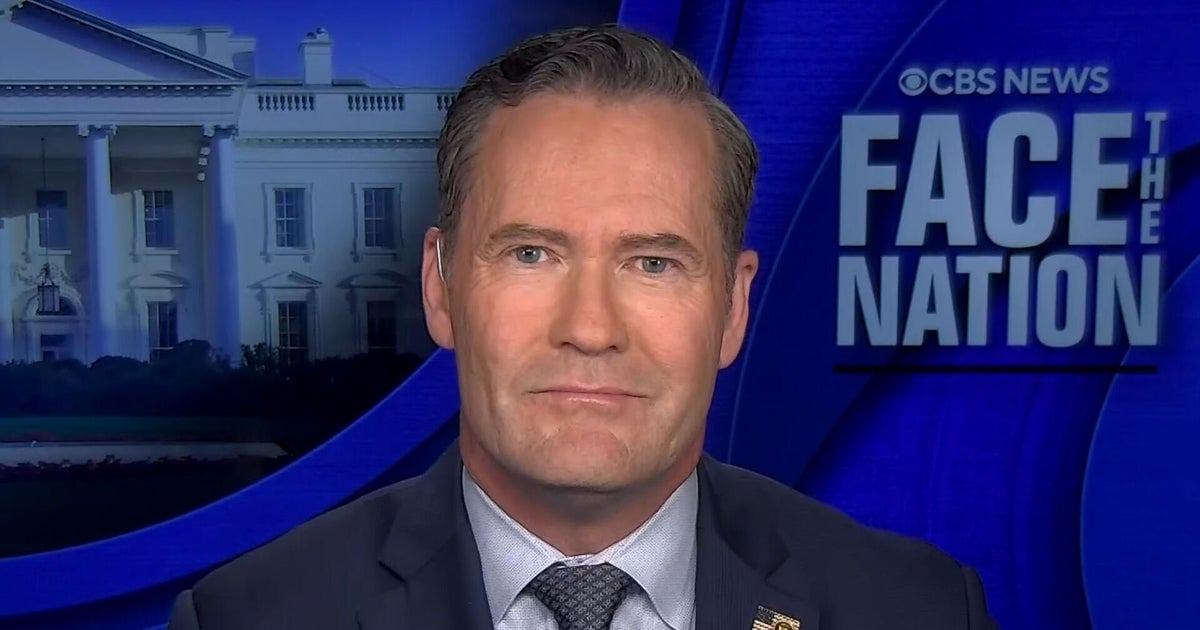
U.S. Ambassador to the United Nations Mike Waltz said the Trump administration is focused on preventing Iran from obtaining a nuclear weapon during an interview as U.S. and Iranian officials held talks in Switzerland. High-level envoys, including Vice President JD Vance, Iranian Foreign Minister Abbas Araghchi, and Iranian Parliament Speaker Mohammad Bagher Ghalibaf, met directly at least briefly. Waltz characterized Iranian leaders as hostile and said the administration’s goal is to have Iran not possess a nuclear program, seeking permanent destruction or removal of capabilities rather than temporary limits. Department of Energy technical experts are participating to address details including Iran’s stockpile of highly enriched uranium. Last week the two sides signed a memorandum of understanding committing to resolve the disposition of stockpiled enriched material, with downblending cited as the minimum outcome; specifics remain to be negotiated in technical talks over the next 60 days. The article notes past U.S. statements that were broader in aim (including dismantling missile programs or pursuing regime change) and contrasts them with the current nuclear-focused approach; it also notes Iranian insistence its program is peaceful and prior U.S. intelligence findings that Iran wasn’t actively developing weapons last year despite enrichment beyond civilian levels. Some U.S. lawmakers expressed concern that sanctions relief could fund Iran’s conventional forces or proxies; Waltz said any funds released would be monitored.
Biblical Reflection
From a Christian perspective, the article presents a sober attempt at pragmatic diplomacy aimed at preventing a clear and present danger—nuclear proliferation—which aligns with the biblical call to protect life and pursue peace. The reporting largely reflects the U.S. viewpoint: it quotes U.S. officials and summarizes U.S. intelligence assessments and policy shifts, but includes limited direct Iranian perspective or independent technical detail. Christians should welcome efforts that prioritize verification and safeguards over rhetoric, since truth and accountability are essential to justice and peace. At the same time, the article’s dehumanizing language toward Iranian leaders is a pastoral concern: labeling people solely as 'genocidal' or 'not good guys' may harden public attitudes and make prayerful, creative peacemaking harder. Christian wisdom calls for honest assessment of threats alongside compassion for ordinary people who will bear most consequences of conflict or economic hardship. The claim that Iran’s program must be “permanently destroyed” is an ambitious security aim with heavy practical and ethical implications; Christians should ask whether such aims are achievable without further escalation and whether plans sufficiently protect civilians and regional stability. Finally, the emphasis on verification and technical experts is encouraging: it signals that careful, patient work rather than purely moralizing rhetoric may best serve both truth and the pursuit of peace.
Scripture in context
This outlook does not yet include contextual Scripture citations. Do not treat a general biblical theme as an exegetical conclusion.
Faithful Response
No prescribed response is offered. Consider the reflection prompts below in your own church context.
Reflection and Discussion
- 1How does the article’s language and source selection shape our view of who is trustworthy and who is the enemy, and how should that affect our prayers and judgments?
- 2Are security goals framed here balanced with attention to civilian welfare and long-term regional stability, or do we risk treating complex peoples and politics as problems to be eradicated?
- 3What would genuine, verifiable progress look like, and how can Christians encourage processes that favor accountability, transparency, and protection of life?
Sources
Reporting links are evidence inputs; Sanctuary News' biblical reflection is commentary.
This outlook currently relies on fewer than two linked sources. Broaden verification before teaching from it.
- 1.Original reportprimary