News Summary
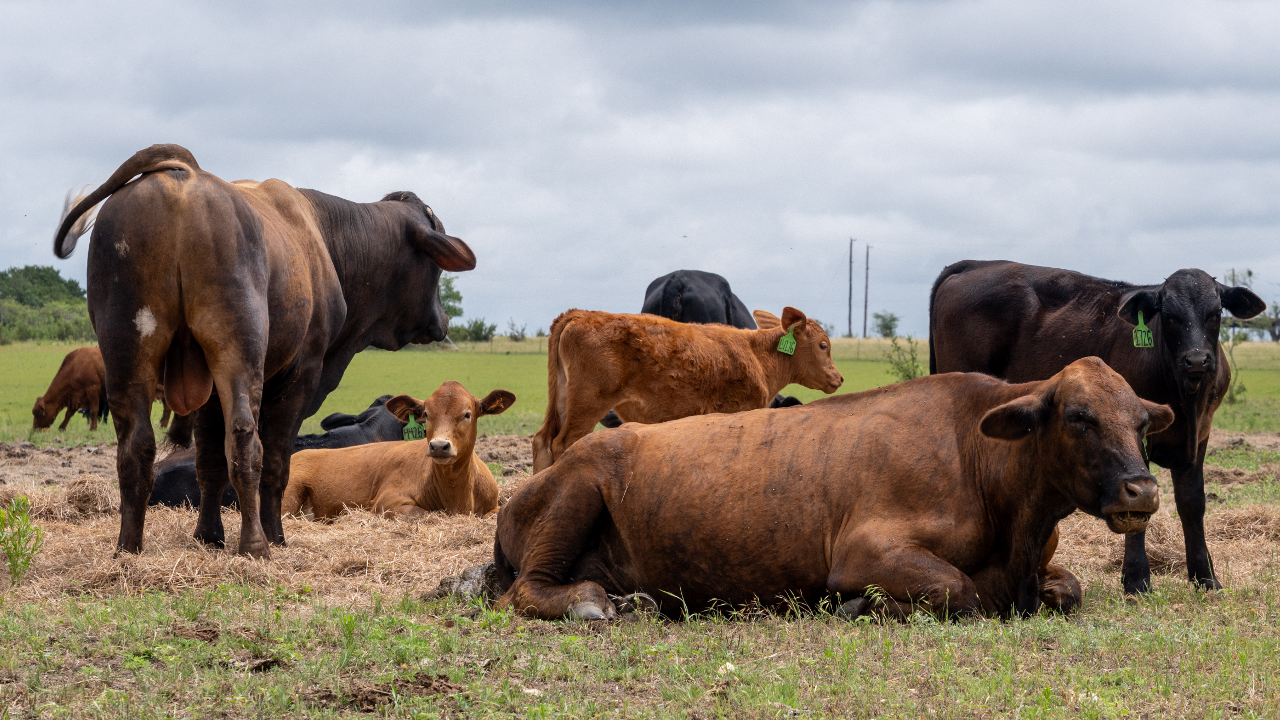
The Trump administration announced that 10 additional companies will voluntarily adopt the "Product of USA" label for meat and poultry produced entirely in the United States. The USDA’s label identifies products from animals born, raised, harvested, and processed in the U.S.; the agency finalized the updated standard in 2024 to narrow previous definitions that allowed some imported meat to be labeled as U.S.-made if only processed domestically. Agriculture Secretary Brooke Rollins said the label will give consumers clearer origin information and benefit independent ranchers, family farmers, and small- and mid-sized processors. Named companies adopting the label include Harris Ranch, One World Beef, Upper Iowa Beef, American Foods Group, Agri Beef, FPL Food, Hadrick Farms, Fort Worth Meat Packers, Wholestone Farms, and Harrison’s Poultry. The USDA also announced the Strengthening Processing for U.S. Ranchers Program, offering up to $500 million to help eligible small- and mid-sized beef processors expand; eligibility requires U.S. ownership, federal inspection, and not holding a dominant market position. The article quotes USDA officials and producers who support the labeling and processing program; it does not present opposing views or economic analysis of potential cost or trade impacts.
Biblical Reflection
From a Christian perspective, greater transparency in labeling is broadly good — truthfulness honors consumers and respects producers’ labor. The administration’s emphasis on honest representation and support for smaller processors aligns with stewardship of resources and care for neighbors who depend on farming for livelihood. Yet the coverage largely reflects the administration’s perspective and supportive industry voices without examining trade-offs: potential price impacts on low-income consumers, market dynamics that concentrate processing, or international trade implications. Christians should welcome truth in advertising and initiatives that strengthen small producers, while also asking whether policy changes protect the vulnerable (consumers and workers) and pursue justice in market structures. Discernment requires weighing the stated intentions against likely economic effects and listening for voices not quoted — such as consumer advocates, economists, and workers — so policies serve both honesty and neighbor-love.
Scripture in context
This outlook does not yet include contextual Scripture citations. Do not treat a general biblical theme as an exegetical conclusion.
Faithful Response
No prescribed response is offered. Consider the reflection prompts below in your own church context.
Reflection and Discussion
- 1Whose perspectives are missing in this report—are low-income consumers, workers, or independent analysts represented?
- 2Does a voluntary, origin-based label address deeper market problems (like processor concentration and pricing), or primarily create marketing advantages for some producers?
- 3How should transparency and patriotism in buying choices be balanced with concern for affordability and the needs of vulnerable neighbors?
Sources
Reporting links are evidence inputs; Sanctuary News' biblical reflection is commentary.
This outlook currently relies on fewer than two linked sources. Broaden verification before teaching from it.
- 1.Original reportprimary