News Summary
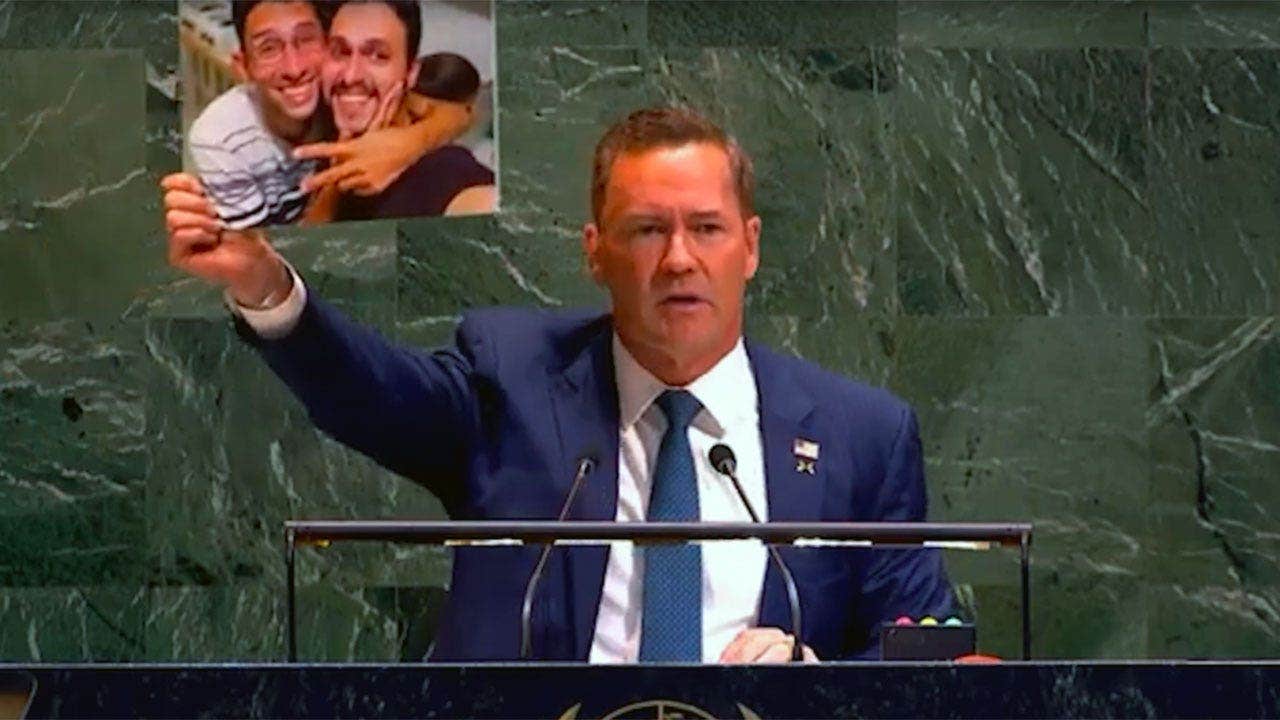
At a U.N. General Assembly meeting on July 7, 2026, Cuban Foreign Minister Bruno Rodríguez accused the United States of imposing an "energy collapse" on Cuba by restricting fuel shipments and called it equivalent to a "naval blockade" and an "act of war." The accusation followed a nationwide electrical grid failure in Cuba that left nearly 10 million people without power, the third major blackout of the year and the eighth since October 2025. U.S. Ambassador to the United Nations Mike Waltz responded forcefully, denying a naval blockade, blaming Cuba's government and its military-run conglomerate GAESA for long-term mismanagement, repression and economic collapse, and displaying photographs and names of jailed Cuban dissidents. Waltz said humanitarian aid had arrived from several countries and that the U.S. had provided funds and commodities this year; he also called Cuba's own restrictions on speech and dissent the country's true "embargo." The Cuban delegation interrupted and banged on desks during the proceedings. U.S. Representative to the U.N. for Management and Reform Jeffrey Bartos objected to reopening the agenda item on cost grounds and argued funds would be better used for direct aid; he and others characterized the Cuban government's actions as the primary cause of suffering. Estimates of the number of political prisoners vary between organizations; Cuban officials deny holding political prisoners. GAESA's economic reach and the U.S. $18 billion asset figure cited by Waltz are disputed. Reuters is credited with reporting used in the coverage.
Biblical Reflection
This report describes a high-profile diplomatic confrontation rooted in genuine human suffering — widespread blackouts and shortages that materially affect millions of Cubans — and sharpened by political blame between governments. The truth-seeking Christian response must hold two commitments together: a demand for factual clarity and a posture of compassion for those who suffer. Politicians on all sides may use dramatic language ("act of war," "blockade") to shift responsibility or to rally support; such rhetoric requires careful verification. At the same time, the repeated loss of electricity, impacts on hospitals, food preservation, and the detention of dissidents are concrete moral problems that call for mercy and urgent relief. Christians should be wary of triumphalism when foreign policy is presented as purely righteous posture; likewise, they should resist cynicism that dismisses real human need as mere propaganda. The article — from a partisan outlet — emphasizes Cuban repression and U.S. aid while noting contested figures; readers should note that evidence about the scale and causes of shortages (sanctions versus domestic mismanagement and corruption) is disputed and political. Practically, Christian wisdom urges advocating for unimpeded humanitarian assistance, supporting independent verification of claims, praying for leaders’ repentance and accountability, and lifting up the dignity of the Cuban people over scoring political points.
Scripture in context
This outlook does not yet include contextual Scripture citations. Do not treat a general biblical theme as an exegetical conclusion.
Faithful Response
No prescribed response is offered. Consider the reflection prompts below in your own church context.
Reflection and Discussion
- 1Which specific factual claims here (blockade, fuel restrictions, GAESA asset figures, number of political prisoners) are confirmed by independent sources, and which remain disputed or rhetorical?
- 2Whose suffering is centered in the debate — the Cuban people, the regime, or the international actors — and how does that choice shape the moral response?
- 3How can Christians distinguish between legitimate political critique and the urgent, practical work of delivering humanitarian relief and protecting human dignity?
Sources
Reporting links are evidence inputs; Sanctuary News' biblical reflection is commentary.
This outlook currently relies on fewer than two linked sources. Broaden verification before teaching from it.
- 1.Original reportprimary