News Summary
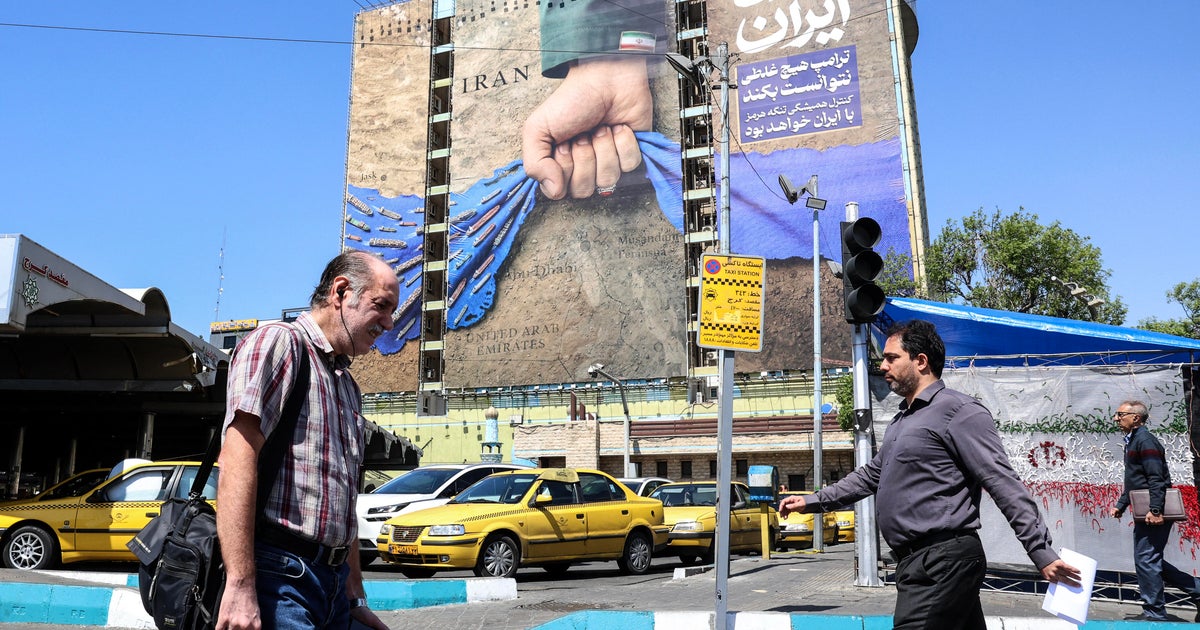
U.S. Central Command said that in the first 48 hours after U.S. forces began enforcing a maritime blockade on ships entering and exiting Iranian ports, no vessels made it past U.S. forces; nine vessels were reported to have complied with directions to turn back. U.S. forces are positioned in the Arabian Sea and Gulf of Oman to enforce the blockade; the U.S. Navy interdicted at least two oil tankers in the Strait of Hormuz. Ship-tracking data and reporting also showed several Iran-linked or sanctioned vessels transiting the Strait shortly after the blockade began. Iran has warned it could expand efforts to disrupt shipping in other waterways, including the Red Sea/Bab el-Mandeb, and Iranian-backed Houthi rebels in Yemen have said they could act if Tehran asks.
A two-week ceasefire between the U.S. and Iran is in place but set to expire; U.S. and Iranian officials are engaged in indirect diplomacy mediated by Pakistan, and Pakistani military and government figures have traveled to Tehran. U.S. officials said no extension or final terms have been agreed. Iran’s foreign ministry said Iran seeks a complete end to the war and lifting of sanctions, and that release of frozen Iranian assets has been discussed; U.S. officials deny agreeing to release frozen assets as part of the ceasefire. President Trump said he is optimistic about a new round of direct talks and stated the war is “close to over,” and he also claimed China has agreed not to send weapons to Iran — a claim not independently confirmed in this report.
The article reports heavy Lebanese casualties from Israel’s offensive against Hezbollah, citing Lebanon’s Ministry of Public Health figures (2,167 dead and 7,061 wounded as of the report, which do not distinguish civilians and combatants). Israel continues strikes in southern Lebanon even as direct U.S.-Iran talks proceed; Iran and Israel disagree about whether Lebanon was covered by the U.S.-Iran ceasefire understanding. Global markets showed cautious optimism, with U.S. stocks rising on hopes of an extended ceasefire and resumed oil flows, while oil prices remain elevated above prewar levels.
Biblical Reflection
From a Christian perspective, this article presents facts about diplomatic maneuvering, military measures, and economic effects without resolving deeper moral questions. The reporting centers state actors, strategic claims, and market reactions; it gives less attention to the human cost beyond casualty counts and largely reports official statements and tracking data. That framing can normalize state power and technical measures (blockades, interdictions) while under-emphasizing the suffering of civilians and displaced people — a reminder to read such reports with care.
Scripturally, the pursuit of peace and protection of the innocent are paramount (cf. Matthew 5:9). Political leaders may speak confidently about imminent resolution; Christians should treat political optimism and unilateral claims (e.g., about third-party commitments) with cautious discernment and verify them against multiple sources. The article reveals competing worldviews: a security-first, deterrence-oriented posture (blockade, interdiction) and a diplomatic/compensatory posture (talks, asset discussions). Both raise biblical questions about justice, restitution, and mercy. A Christian discernment posture asks whether actions protect the vulnerable or primarily serve geopolitical advantage, whether rhetoric dehumanizes enemies, and whether peacemaking efforts seek true reconciliation rather than strategic pause.
Practically, the piece calls believers to resist partisan certainty and instead advocate for truthful accountability, attention to civilian suffering, and support for genuine negotiation and reconstruction. Trust in political promises should be measured; Christians are called to pray for wisdom for negotiators, protection for civilians, and for governments to pursue justice tempered by mercy.
Scripture in context
This outlook does not yet include contextual Scripture citations. Do not treat a general biblical theme as an exegetical conclusion.
Faithful Response
No prescribed response is offered. Consider the reflection prompts below in your own church context.
Reflection and Discussion
- 1Which voices are missing or underrepresented in this coverage (e.g., civilians in Lebanon, Iranian civil society, neutral mediators), and how does that absence shape our perception of who is harmed or responsible?
- 2Which claims in the article are verifiable facts (e.g., CENTCOM interdictions, ship-tracking) and which are political statements or predictions (e.g., a leader's optimism about talks or claims about third-party promises)?
- 3Are the measures taken (blockade, interdiction) framed primarily as security necessities or as instruments of pressure — and how should a Christian weigh security concerns against the call to protect the vulnerable and pursue restorative justice?
Sources
Reporting links are evidence inputs; Sanctuary News' biblical reflection is commentary.
This outlook currently relies on fewer than two linked sources. Broaden verification before teaching from it.
- 1.Original reportprimary