News Summary
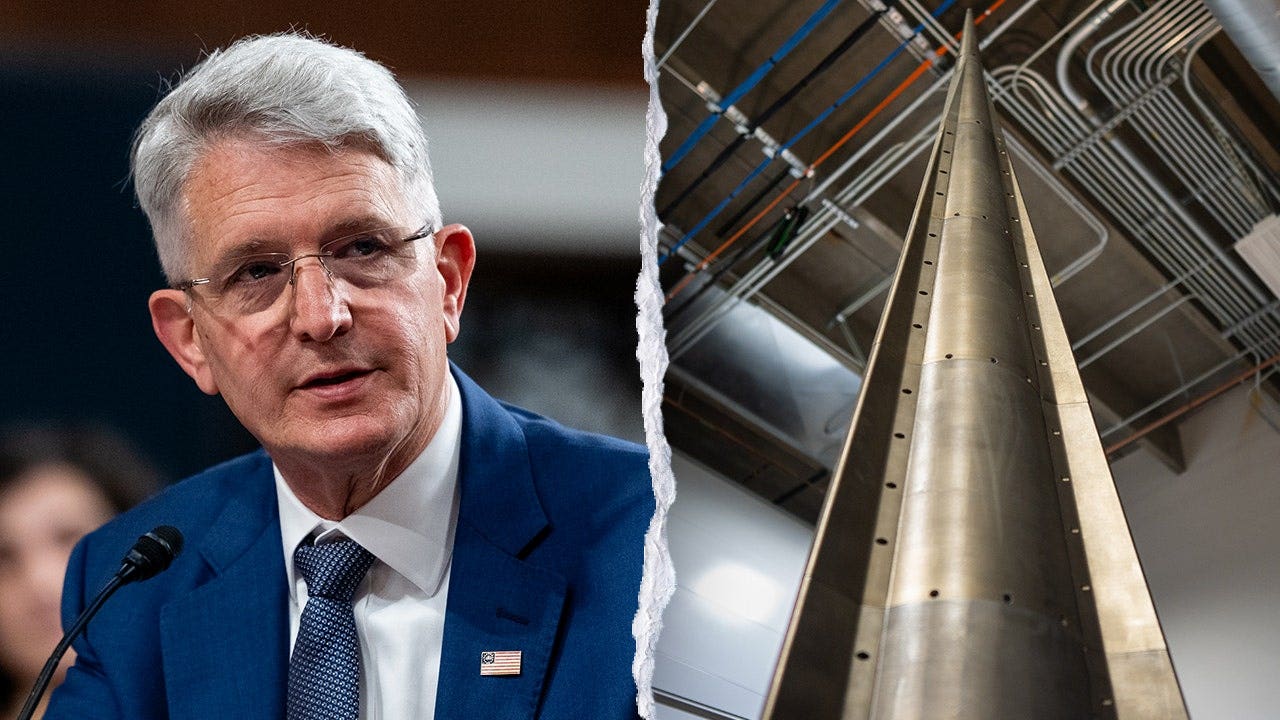
The Department of Energy's National Nuclear Security Administration (NNSA) publicly unveiled an 11-foot flight test vehicle called Aires Tide on the National Mall during the Great American State Fair. NNSA officials say Aires Tide was designed using artificial intelligence, advanced supercomputers (Venado and El Capitan), and 3D printing to simulate extreme heat and vibration experienced by nuclear weapons in flight. Administrator Brandon Williams said the project moved from AI-generated design to plastic model to full-scale prototypes in months and claimed the process was seven times faster and 15 times cheaper than traditional methods. Aires Tide is presented as the first public demonstration of the administration's Genesis Mission initiative to apply AI across national laboratories. Officials framed the project as part of a U.S. strategic effort to accelerate military-technological capabilities in competition with China; the report notes that a Chinese supercomputer (LineShine) recently topped global speed rankings. The article also mentions related executive orders signed by President Trump on quantum computing and cybersecurity. The coverage relies principally on NNSA statements and remarks from Administrator Williams; independent technical verification and broader policy or arms-control perspectives were not included in the piece.
Biblical Reflection
From a Christian perspective, this report raises competing obligations: the legitimate duty of government to protect citizens and the moral imperative to seek peace and restraint. The article centers government claims that AI dramatically speeds and lowers the cost of designing nuclear-related systems — a point presented as an unambiguous good for deterrence and strategic advantage. Readers should note that the story primarily conveys official, promotional statements with limited outside verification and minimal discussion of ethical, legal, or stability implications. The underlying worldview privileges technological mastery, speed, and competitive dominance (especially versus China) as chief goods. A Christ-centered response calls for sober wisdom: acknowledge the need for security and competent stewardship of resources, but also press for transparency, independent oversight, public accountability, and international dialogue aimed at reducing the risks of escalation. The moral weight of accelerating tools related to nuclear weapons demands humility, restraint, and a sustained pursuit of peace rather than triumphalism about capability alone.
Scripture in context
This outlook does not yet include contextual Scripture citations. Do not treat a general biblical theme as an exegetical conclusion.
Faithful Response
No prescribed response is offered. Consider the reflection prompts below in your own church context.
Reflection and Discussion
- 1How does the article's framing—emphasizing speed, cost, and competition—shape our view of technological progress as inherently good, and what voices are missing from that frame?
- 2What safeguards, transparency, and ethical review should Christians press for when powerful technologies are applied to nuclear forces?
- 3Does accelerating weapon-related development reduce risk by strengthening deterrence, or increase risk by fueling an arms race and eroding strategic stability?
Sources
Reporting links are evidence inputs; Sanctuary News' biblical reflection is commentary.
This outlook currently relies on fewer than two linked sources. Broaden verification before teaching from it.
- 1.Original reportprimary