News Summary
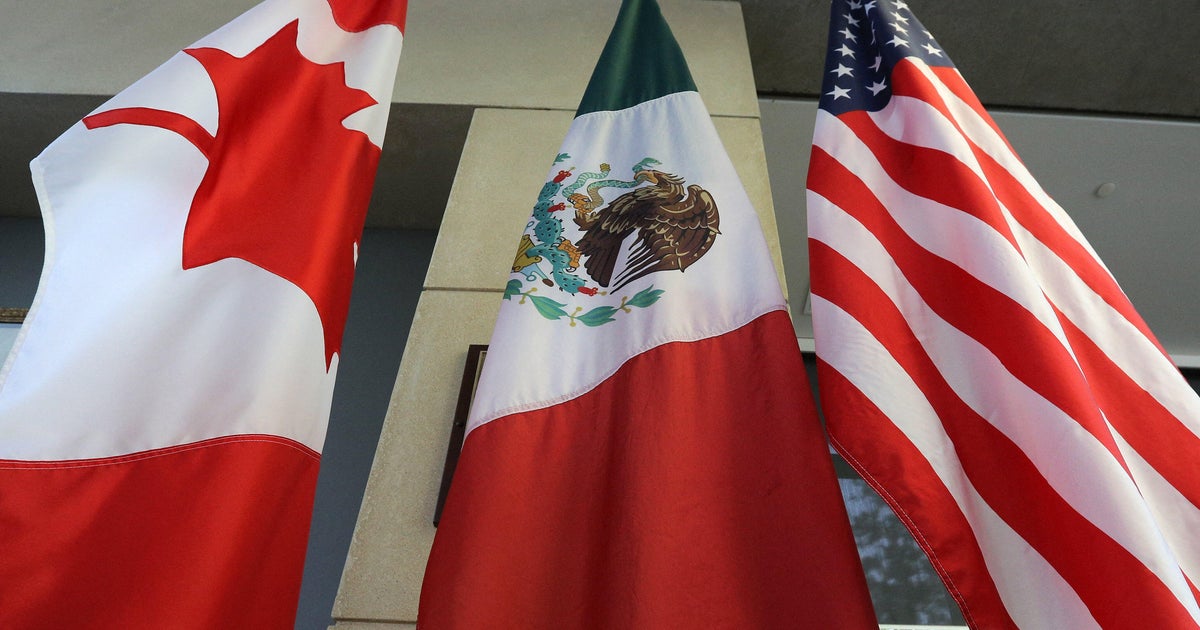
The Office of the United States Trade Representative announced that the United States will not agree to extend the United States–Mexico–Canada Agreement (USMCA) to 2042 by the July 1 deadline. As a result, the USMCA will remain in force under its current terms and be subject to annual reviews for 10 years, and will expire in 2036 unless the three countries later negotiate an extension. U.S. Trade Representative Jamieson Greer said the U.S. will continue engaging with Mexico and Canada to address perceived shortcomings in the agreement and U.S. trade deficits. The article notes that former President Trump signed the USMCA into law in 2020, replacing NAFTA, and describes the situation as a developing story.
Biblical Reflection
From a Christian perspective, this is a policy decision rooted in national stewardship and negotiation strategy. The choice not to lock in a longer-term extension appears aimed at preserving leverage to press for changes the U.S. deems necessary—particularly on trade imbalances—while maintaining the existing legal framework to avoid sudden disruption. The article is sparse on details: it reports the U.S. position and a single official statement but gives no economic analysis, no Canadian or Mexican responses, and no specifics about which 'shortcomings' are targeted. That creates a worldview focused on U.S. national interest and bargaining power rather than on mutual flourishing across neighbors. Christian wisdom calls us to seek truth (ask for fuller facts and perspectives), mercy (consider how workers, small businesses, and vulnerable communities in all three countries may be affected by prolonged uncertainty), and humility (recognize the limits of unilateral framing). Practically, holding to the agreement for stability while negotiating could reflect prudence, but the absence of collaborative public engagement risks fostering mistrust between neighbors. Christians should encourage transparent negotiations that pursue justice for workers, responsible stewardship of national resources, and reconciliation between trading partners rather than zero-sum rhetoric.
Scripture in context
This outlook does not yet include contextual Scripture citations. Do not treat a general biblical theme as an exegetical conclusion.
Faithful Response
No prescribed response is offered. Consider the reflection prompts below in your own church context.
Reflection and Discussion
- 1Whose voices and data are missing from this report—whose workers, businesses, or government perspectives should we seek to understand before forming judgment?
- 2Does the framing center national advantage at the expense of cooperative responsibility to neighboring nations, and what would a neighbor-loving approach to trade look like here?
- 3Are the long-term impacts on vulnerable communities and supply chains being weighed alongside short-term political leverage?
Sources
Reporting links are evidence inputs; Sanctuary News' biblical reflection is commentary.
This outlook currently relies on fewer than two linked sources. Broaden verification before teaching from it.
- 1.Original reportprimary