News Summary
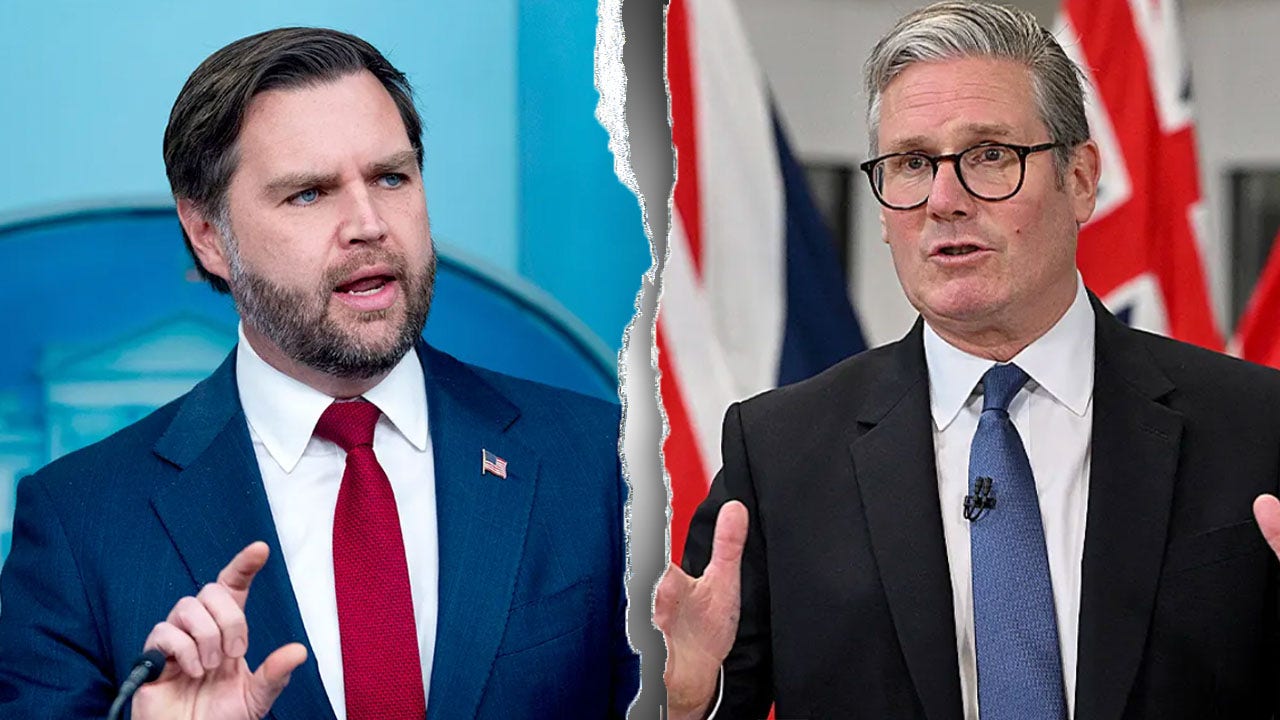
In December 2025 in Southampton, England, university student Henry Nowak was stabbed multiple times by Vickrum (Vickrum/Vikram) Digwa, who later falsely alleged he had been the victim of racial abuse. Police located and handcuffed Nowak after Digwa's accusation; body-camera footage shows officers dismissing Nowak's statements that he had been stabbed while he lay on the ground, and Nowak bled to death in police custody. Digwa was convicted of murder in May 2026 and sentenced to life imprisonment with a minimum of 21 years on June 1, 2026. Digwa’s mother, Kiran Kaur, was found guilty of assisting an offender for removing and hiding the weapon. Hampshire Constabulary later apologized for their handling of the incident. The U.S. State Department posted a public rebuke criticizing "two-tiered policing" and warning of civilizational decline; Vice President JD Vance and several U.S. politicians and commentators echoed and expanded that critique, linking the case to migration and cultural decline. Downing Street and the Nowak family urged against using the family's tragedy to inflame division. The case prompted debate in the U.K. about police response, religious exemptions for carrying ceremonial knives (kirpans), and speech laws such as the Online Safety Act.
Biblical Reflection
This story combines a tragic criminal case, questions about police judgment, and rapid politicization across borders. Christians should grieve the loss of a young life and press for clear, impartial facts and accountable institutions—justice requires careful truth-telling and due process, not rhetorical amplification. The political framing (portraying the event as proof of civilizational collapse or as proof that migration threatens safety) risks exploiting a family's pain to advance preexisting agendas; such use of grief can harden hearts rather than lead to constructive reform. Equally dangerous is reflexive defensiveness that dismisses legitimate criticism of policing practices. Biblical virtues call us to both seek justice for the wronged and to resist scapegoating entire groups. A faithful response names facts honestly, holds wrongdoers and failures of procedure to account, protects vulnerable neighbors (including immigrants and racial minorities), and resists language that inflames fear or dehumanizes others.
Scripture in context
This outlook does not yet include contextual Scripture citations. Do not treat a general biblical theme as an exegetical conclusion.
Faithful Response
No prescribed response is offered. Consider the reflection prompts below in your own church context.
Reflection and Discussion
- 1Are we interpreting this tragedy through a prior political narrative or through the facts of the case?
- 2How can calls for accountability avoid sliding into collective blame of whole communities or fueling xenophobia?
- 3What standards of evidence and compassion should guide policing so that the vulnerable are protected regardless of background?
Sources
Reporting links are evidence inputs; Sanctuary News' biblical reflection is commentary.
This outlook currently relies on fewer than two linked sources. Broaden verification before teaching from it.
- 1.Original reportprimary