News Summary
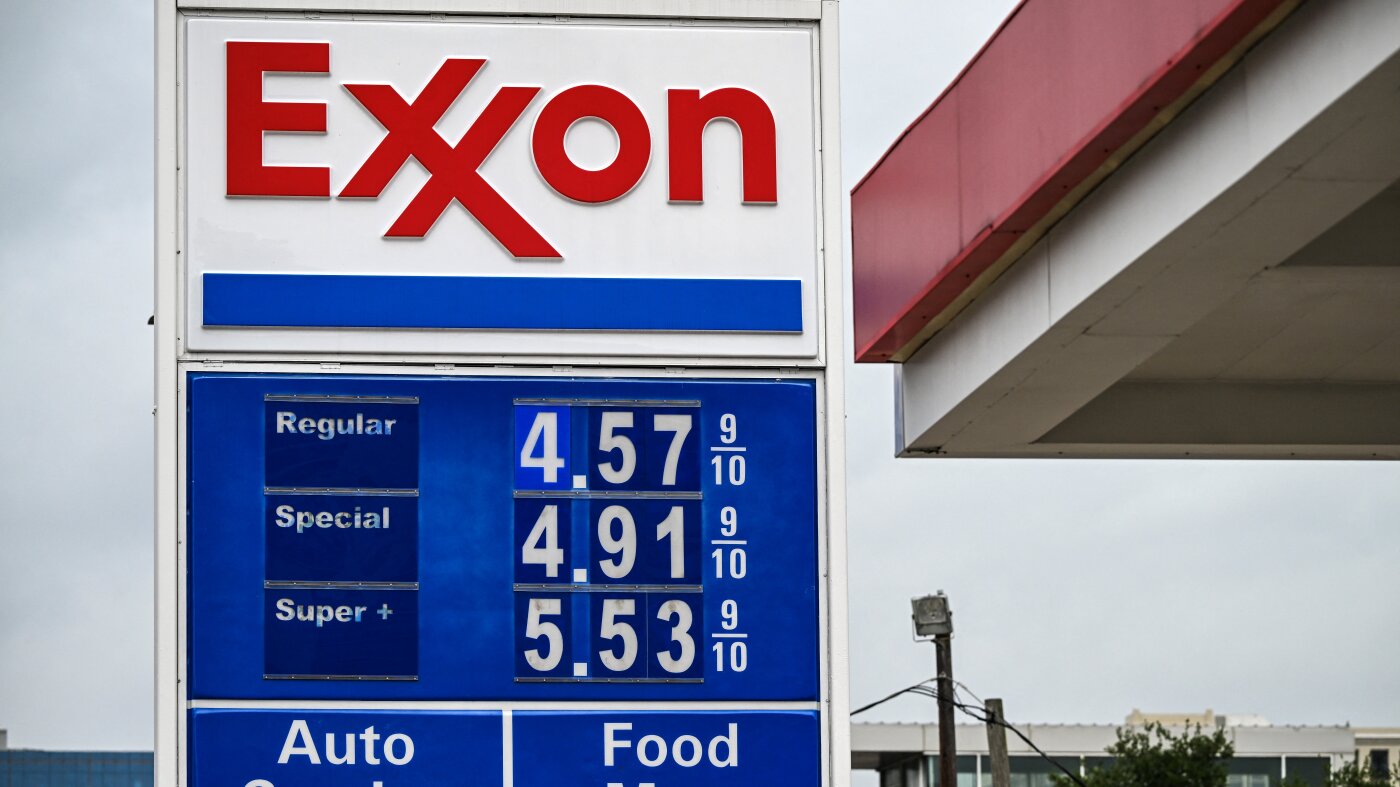
The U.S. Labor Department reported that consumer prices in April were up 3.8% year-over-year, the largest annual increase since May 2023. Month-to-month, prices rose 0.6% from March to April. Energy costs were a major driver: gasoline averaged $4.50 per gallon (an increase of about $1.50 per gallon since the start of the U.S. military campaign with Iran, and 38 cents higher than a month earlier), and the jump in energy prices accounted for roughly 40% of the monthly increase in the Consumer Price Index for April. Rising fuel costs have had spillover effects—airfares rose 2.8% in April and are more than 20% higher year-over-year, and diesel prices have increased significantly, which can push up costs for goods transported by truck and rail. Excluding food and energy, core inflation was 2.8% in April. Housing costs rose 0.6% month-to-month; officials say part of that increase reflects a statistical catch-up related to a six-week government data-collection pause during a prior shutdown that temporarily lowered the housing measure. The article corrected an earlier misstatement about the average gasoline price.
Biblical Reflection
What the piece reports is largely factual: measured consumer inflation rose in April, and energy price increases were a substantial contributor to the monthly move. The article links that energy spike to the U.S. military conflict with Iran and to disruptions in key shipping lanes (e.g., the Strait of Hormuz); that link is plausible and consistent with how commodity markets react to geopolitical risk. That said, causation in macroeconomics is rarely single-factor—inflation reflects multiple domestic and international forces (monetary policy, labor markets, supply chains, seasonal patterns and statistical quirks in data collection). The article notes one such statistical nuance in housing data, which is a helpful corrective to simplistic narratives.
From a biblical perspective, several themes emerge: first, the reality of human brokenness and the cost of conflict. War and instability often harm the poorest first; rising prices disproportionately burden households with the least buffer. Second, the need for truthfulness and careful speech: journalists and commentators should avoid overstating single causes and should note data limitations, which the article largely does. Third, Christians are called to both seek truth and show practical compassion—discern economic realities without panic, advocate for fair and just responses to hardship, and pray for peace and wise leadership. The article's framing leans on clear causal language between conflict and energy prices; readers should hold that as a significant factor but not the lone explanation for recent inflation. Finally, be wary of fear-driven rhetoric that pressures decisions; instead center justice, care for the vulnerable, and truthful assessment of facts.
Scripture in context
This outlook does not yet include contextual Scripture citations. Do not treat a general biblical theme as an exegetical conclusion.
Faithful Response
No prescribed response is offered. Consider the reflection prompts below in your own church context.
Reflection and Discussion
- 1Does the article present the war as the sole cause of inflation, or does it acknowledge other contributing factors and data nuances?
- 2Whom do rising prices affect most, and how does the article center (or fail to center) those most vulnerable in its coverage?
- 3How might fear or urgency in reporting shape public appetite for policy responses, and what virtues should Christians cultivate when evaluating those proposals?
Sources
Reporting links are evidence inputs; Sanctuary News' biblical reflection is commentary.
This outlook currently relies on fewer than two linked sources. Broaden verification before teaching from it.
- 1.Original reportprimary