News Summary
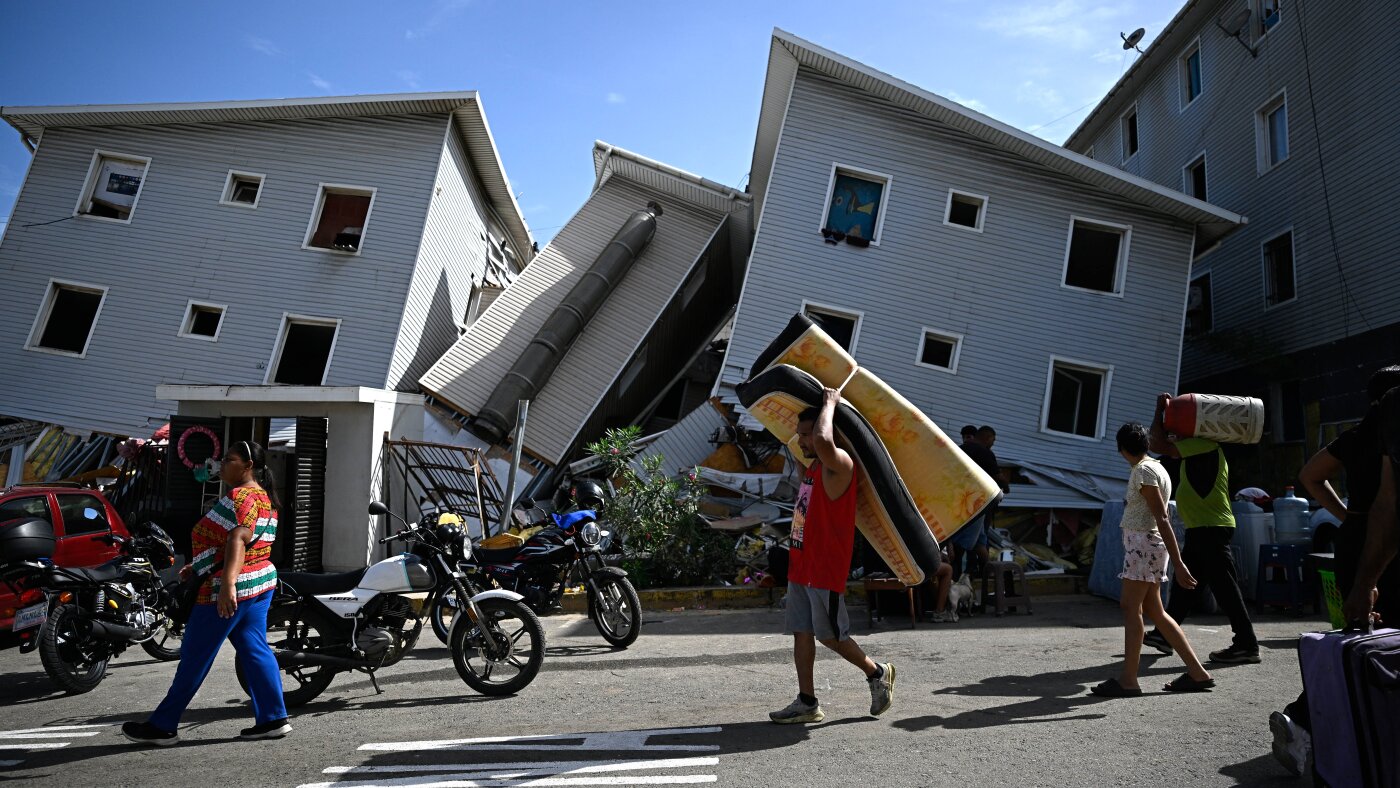
On June 25 twin earthquakes struck near Venezuela's capital region, killing at least 164 people and destroying multiple buildings. The U.S. announced a major response: a pledge of $150 million in aid routed to faith-based organizations (including Samaritan's Purse and Catholic Relief Services) and two U.N. agencies (World Food Programme and OCHA); deployment of a Disaster Assistance Response Team; and two U.S. search-and-rescue teams from Virginia (about 80 personnel and 6 dogs) and California (about 70 personnel and 6 dogs). The Pentagon has been tasked to assist with moving U.S. staff and critical supplies because some Venezuelan airport infrastructure was damaged. NPR and disaster experts noted the U.S. response appears stronger than its earlier, smaller response to a March 2025 earthquake in Myanmar; observers say some USAID humanitarian capability has been rehired or re-contracted within the State Department but that the sustainability of longer-term recovery efforts remains to be seen. Local responders report severe damage to health facilities in the epicenter, overwhelmed clinics, many displaced people, and urgent needs for medical teams, water and infrastructure repair, and preparedness measures to reduce future deaths from aftershocks or additional quakes. NPR reports it has sought further details from the State Department.
Biblical Reflection
The U.S. commitment combines genuine humanitarian aid with geopolitical signaling; offering search-and-rescue teams, substantial funding, and logistical support is an expression of neighbor-love and mercy in concrete form. The article’s factual reporting on personnel, funding amounts, and operational details is credible, though it highlights a comparison to a prior, smaller U.S. response that introduces a political frame — useful context but one that can invite readers to read motives as partisan rather than mixed. From a Christian perspective, urgent relief is faithful work: it responds to suffering and bears witness to God’s compassion. At the same time Christians should watch for three risks: (1) short-term generosity that fades after headlines move on, (2) aid that is politicized or conditioned in ways that harm the most vulnerable, and (3) neglect of long-term recovery and resilience (health systems, water, building safety). We should pray for transparent, impartial aid that partners with local churches and communities, seeks the flourishing of the whole person, and commits to rebuilding so future disasters cause fewer deaths.
Scripture in context
This outlook does not yet include contextual Scripture citations. Do not treat a general biblical theme as an exegetical conclusion.
Faithful Response
No prescribed response is offered. Consider the reflection prompts below in your own church context.
Reflection and Discussion
- 1Is this response shaped mainly by humanitarian need, geopolitical strategy, or a mix — and how does that influence who receives help?
- 2Will pledged funding and deployed teams translate into sustained recovery (medical capacity, water, safe buildings), or mainly immediate rescue?
- 3How are local churches, aid groups, and Venezuelan communities being involved and empowered in the relief and rebuilding process?
Sources
Reporting links are evidence inputs; Sanctuary News' biblical reflection is commentary.
This outlook currently relies on fewer than two linked sources. Broaden verification before teaching from it.
- 1.Original reportprimary