News Summary
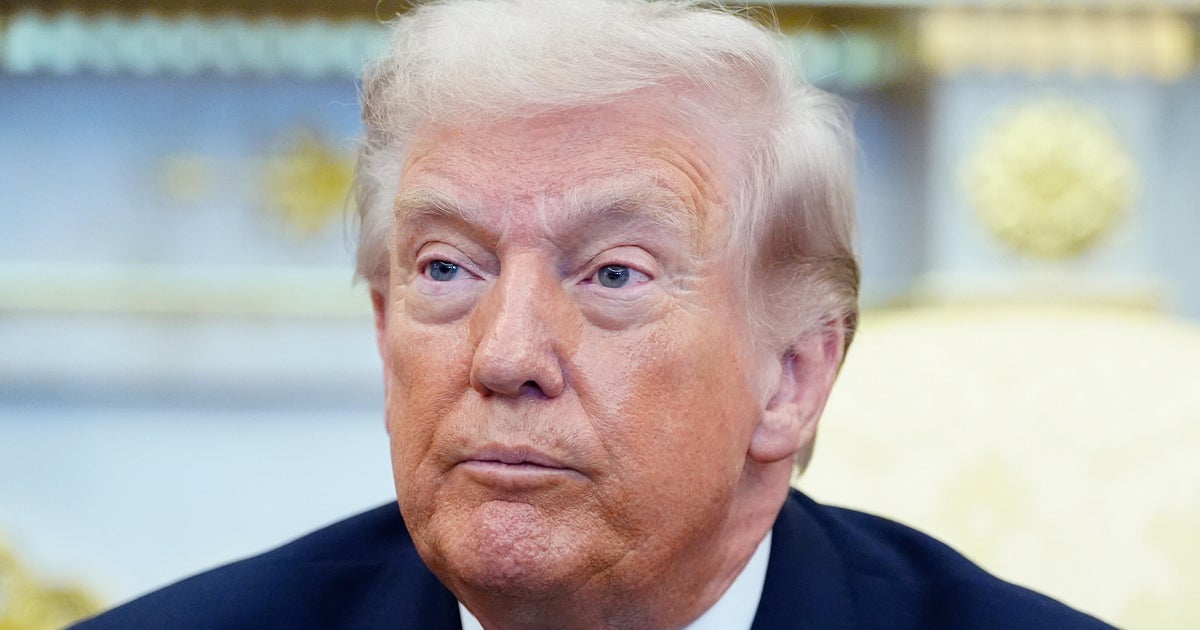
The U.S. Commission of Fine Arts approved the final design of a 24-karat gold commemorative coin featuring President Donald J. Trump to mark the United States' 250th anniversary on July 4, 2026. The commission members who voted were appointed earlier this year and are described in the report as supporters of the president; the vote passed without objection. Treasury officials say federal law prohibits living presidents from appearing on U.S. currency, but the Treasury secretary can authorize new 24-karat gold coins, a route being used to place Trump’s likeness on the coin. Treasury and Mint officials indicated the coin will be a limited production run; details such as denomination and final size are still being decided, with discussion of a size larger than the Mint's 1-ounce gold coin and possibly up to its 3-inch largest coin. The obverse depicts Trump leaning forward over a desk with the word “LIBERTY,” dates “1776–2026,” the motto “IN GOD WE TRUST,” and stars; the reverse shows a bald eagle in flight with “UNITED STATES OF AMERICA” and “E PLURIBUS UNUM.” Commission and White House aides present praised the design and suggested the president favors a large coin. The article notes this is part of a pattern of moves by Trump and allies that place his name and likeness on institutions and honors.
Biblical Reflection
From a biblical perspective this story raises questions about honor, authority, humility, and the stewardship of public trust. Scripture calls Christians to respect governing authorities (Romans 13:1), so commemorating a sitting leader is not inherently wrong. Yet the pattern described — using appointed allies and legal workarounds to place a living president’s image on a national symbol — invites scrutiny under biblical ethics. The Bible warns against seeking self-exaltation and the lust for honor (Philippians 2:3–4; Matthew 23:12). When civic honors risk becoming celebrations of a person rather than of God or the common good, they can slide toward misplaced allegiance or quasi-idolatry (Exodus 20:3). Good governance and public stewardship require transparency, impartial process, and protection of traditions meant to serve the whole people, not the aggrandizement of one. Christians should weigh both the legitimate respect due to leaders and the need to call for humility, accountability, and practices that promote unity and justice rather than personality cult. Practically, that means praying for leaders, speaking truth in love when power is abused, advocating for fair processes, and guarding our own hearts against hero-worship.
Scripture in context
This outlook does not yet include contextual Scripture citations. Do not treat a general biblical theme as an exegetical conclusion.
Faithful Response
No prescribed response is offered. Consider the reflection prompts below in your own church context.
Reflection and Discussion
- 1Am I treating a political leader with reverence that belongs to God alone, or am I able to hold leaders accountable in love?
- 2How should Christians respond when public honors for leaders are obtained through legal workarounds or by partisan appointments?
- 3What actions can I take to encourage humility, transparency, and justice in civic life?
Sources
Reporting links are evidence inputs; Sanctuary News' biblical reflection is commentary.
This outlook currently relies on fewer than two linked sources. Broaden verification before teaching from it.
- 1.Original reportprimary