News Summary
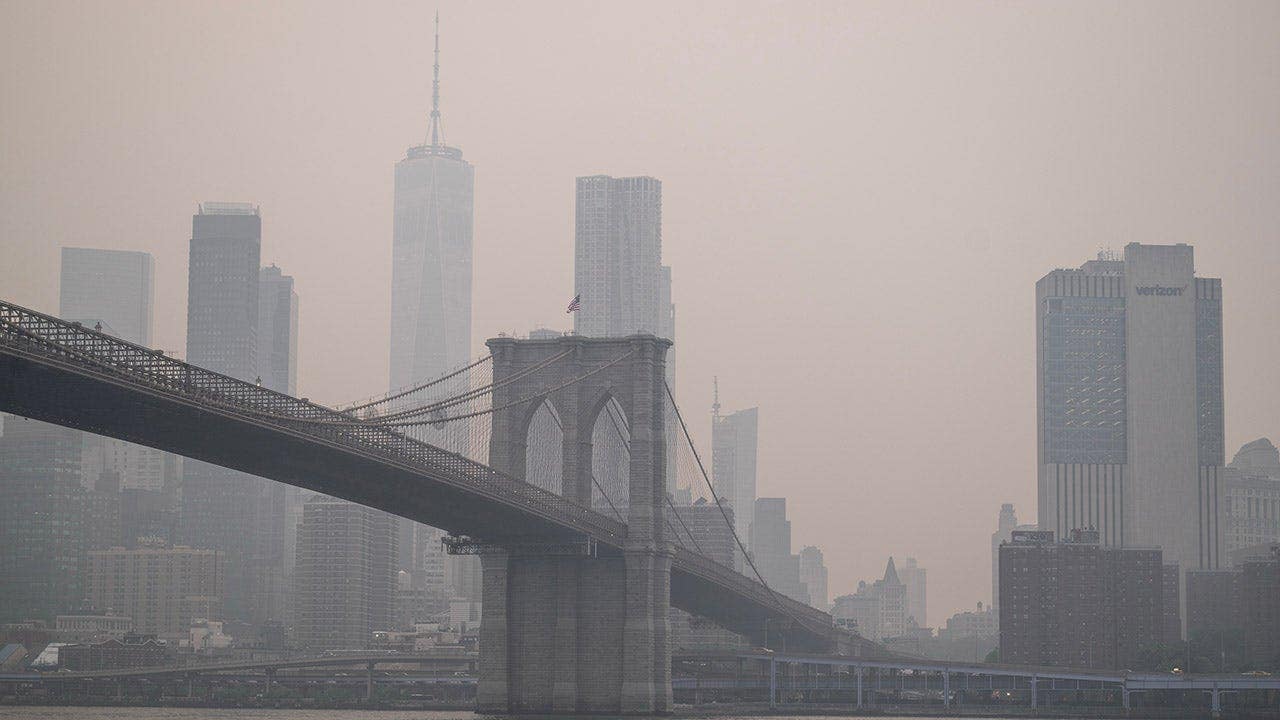
Reported facts: Canadian wildfires produced smoke that drifted into parts of the United States; the Canadian Senate Committee on Agriculture and Forestry released a report (Canada on Fire) after hearings concluding climate change is lengthening wildfire seasons and that prevention efforts lag; the report and witnesses recommended fuel-management measures including prescribed burns and thinning and noted practical challenges such as remote terrain and aging aircraft. Attributed claims: President Donald Trump posted on Truth Social accusing Canada of "willful negligence," threatened to factor smoke costs into tariffs, and said he planned to call Prime Minister Mark Carney; Andrew Hale and other commentators blamed Canadian policies and environmental groups; four Michigan Republican representatives sent a letter urging measurable plans to reduce cross-border smoke. Uncertainty: The article does not provide direct comment from the Canadian government or primary documents from the Senate report beyond summarizing its conclusions, nor independent datasets linking specific management choices to the most recent fires.
Source and Framing Analysis
Source role and incentives: The piece is primary reporting by Fox News combining reportage of a Canadian Senate report and expert testimony with U.S. political responses. Fox News is a U.S. news outlet with an identifiable editorial audience; the article includes partisan U.S. political reactions which frame the issue as cross-border negligence and potential trade retaliation. Missing voices: the article lacks a contemporary official response from the Canadian federal government (it notes no comment was received), provincial officials who manage fires, Indigenous land stewards, independent peer-reviewed attribution studies, and local public-health agencies in affected U.S. communities. Disputed or rhetorical claims: characterizations such as "willful negligence" and linking the smoke costs directly to Canadian management policy are political claims that require legal, economic, and scientific substantiation. What needs verification: the specifics of Canadian forest-management policies cited by commentators, the text and recommendations of the Senate report (beyond Fox’s summary), attribution studies quantifying the roles of climate change vs. management in these particular fires, and the seriousness and legality of any tariff threats.
Biblical Reflection
This report mixes factual reporting about smoke and a Canadian Senate report with partisan political rhetoric and opinion. The senate report and expert testimony cited support the factual claim that climate change and management shortfalls have contributed to larger fire seasons and that fuel-management tools can reduce risk. Political accusations (e.g., "willful negligence") and threats to adjust trade policy are rhetorical responses, not technical findings, and serve political pressure more than cooperative problem-solving. A Christian reading calls for honest assessment of causes (including climate trends and management limits), compassion for those harmed by smoke, humility in assigning blame, and a preference for cooperative, neighborly solutions across borders. Christians should resist scapegoating, pursue truth and facts, and advocate for policies that protect vulnerable people and steward creation responsibly.
Scripture in context
- 1Luke 10:25–37 (Parable of the Good Samaritan) — A legal expert asks Jesus how to inherit eternal life; Jesus tells the story of a traveler injured and ignored by passersby until a Samaritan shows mercy, framing 'neighbor' as anyone in need regardless of social boundaries. — The passage calls Christians to active compassion that crosses social and political lines; transboundary harms like wildfire smoke invite responses that prioritize care, practical help, and cooperation rather than narrow blame.
Faithful Response
Pray for those affected by smoke and for leaders making policy decisions.
Seek reliable information from scientific and public-health sources before accepting partisan claims; encourage public officials to release data and plans.
Support local efforts to help vulnerable neighbors (distribute masks, create clean-air spaces) and partner with organizations addressing eviction, health, and evacuation needs.
Advocate constructively with elected officials for balanced policies that combine mitigation (climate action) and practical forest resilience measures, avoiding scapegoating.
Reflection and Discussion
- 1Which sources are cited and which relevant stakeholders are absent from the reporting — how does that absence shape the story?
- 2Are political assertions (tariff threats, 'willful negligence') presented as established fact or as political rhetoric; what evidence would move these from rhetoric to substantiated claims?
- 3What practical, cooperative steps could civil society and governments take together to reduce harm and aid those affected?
Sources
Reporting links are evidence inputs; Sanctuary News' biblical reflection is commentary.
This outlook currently relies on fewer than two linked sources. Broaden verification before teaching from it.
- 1.Canadian wildfire smoke ignites cross-border feud over Ottawa's 'willful negligence'primary_reporting