News Summary
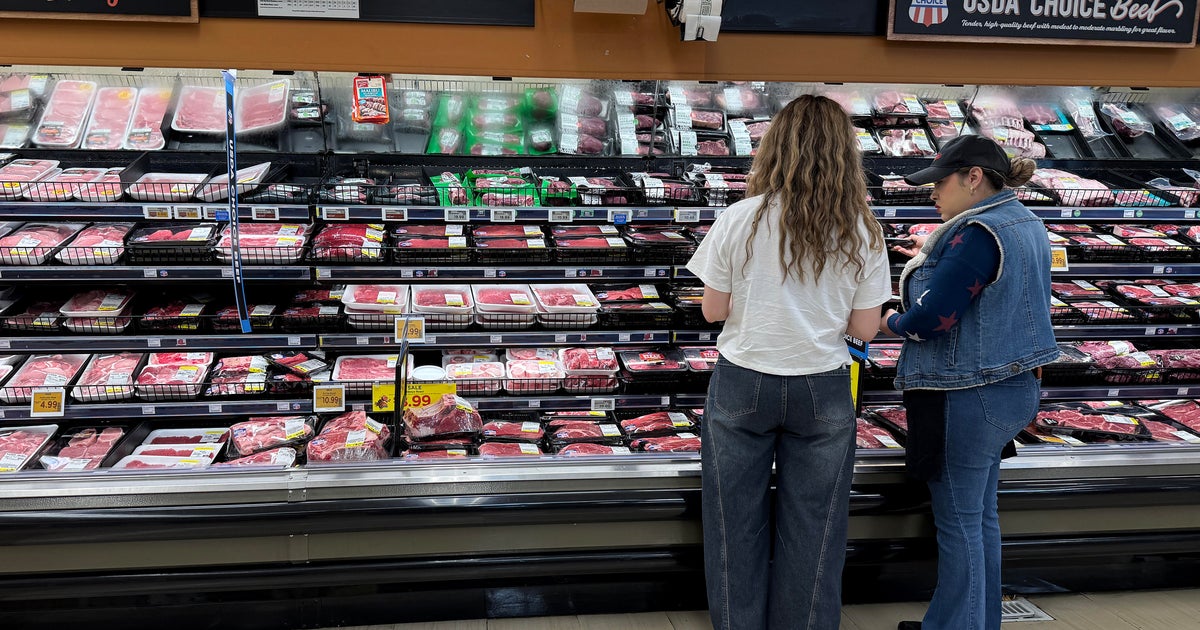
Retail beef prices in the U.S. have risen substantially. Federal Reserve Bank of St. Louis data showed ground beef averaged $6.70 per pound in March (about a 16% increase year-over-year) and steak averaged $12.73 per pound (also up roughly 16% year-over-year). By comparison, ground beef averaged about $3.96 per pound in 2021 and approximately $3.75 a decade ago. The U.S. Department of Agriculture forecasted beef prices could climb more than 10% in 2026 and possibly as much as 18%. Economists cited in the article attribute the rise primarily to supply constraints: the U.S. cattle herd fell below 28 million in January (down 1% from a year earlier and the lowest level since the 1960s). Causes for the smaller herd include worsening droughts that reduced pasture and raised feed costs, increased feed costs following global market disruptions (notably after 2022), and the long reproduction cycle for cattle which delays supply recovery. Secondary factors that could push prices higher include higher diesel and energy costs tied to international conflicts, which would raise transportation and production expenses. Consumer demand has remained relatively strong: NielsenIQ data showed unit beef sales down about 4% year-over-year while dollar sales rose about 8%, indicating consumers are still purchasing beef despite higher prices. Indicators that could eventually ease prices include reduced slaughter rates and a rise in the number of female beef cows—signs producers may be rebuilding herds—because higher prices typically incentivize producers to expand supply over time.
Biblical Reflection
The article frames beef price increases largely through standard economic analysis (supply, demand, input costs, weather, and geopolitical events). That is a truthful and parsimonious explanation, but the coverage focuses on market mechanics and consumer impact without exploring broader systemic or moral questions: who bears the greatest burden of rising food costs, how corporate consolidation or policy choices might affect prices, and what local or community-level responses could ease hardship. From a biblical perspective several themes emerge. First, stewardship: Scripture calls us to care for creation (humans and animals) and to steward resources wisely (Genesis 1–2; Proverbs). Drought and feed-cost-driven herd reductions highlight the fragility of agricultural systems and the need for wise, sustainable stewardship of land and animals. Second, justice and compassion: when staple food becomes less affordable, the poor and vulnerable are disproportionately affected (Isaiah 58; Proverbs 14:31). Christians should notice not only the economic data but the human consequences—food security, household budgets, and community welfare—and consider responses that alleviate burdens. Third, contentment and the right ordering of desires: rising prices reveal our cultural attachment to particular foods and comforts; Scripture encourages trust in God’s provision and measured consumption (Philippians 4:11–13; 1 Timothy 6:6–10). The article's market-focused worldview is not false, but it is incomplete for Christian concern: truth includes both accurate description of causes and a moral evaluation that leads to practical care for neighbors. Practically, Christians can apply biblical priorities by advocating for policies and practices that protect small producers, support resilient agriculture, and help low-income households access nutritious food, while also practicing personal stewardship and generosity.
Scripture in context
This outlook does not yet include contextual Scripture citations. Do not treat a general biblical theme as an exegetical conclusion.
Faithful Response
No prescribed response is offered. Consider the reflection prompts below in your own church context.
Reflection and Discussion
- 1What assumptions does the article make about markets as the primary solution, and what moral or community responsibilities does that framing leave out?
- 2Who in your local community is most vulnerable to rising food prices, and what practical steps (church programs, advocacy, mutual aid) might Christians support to help them?
- 3How does the fact that natural factors (drought) and geopolitical events both affect food costs shape a Christian understanding of stewardship, dependence, and global solidarity?
Sources
Reporting links are evidence inputs; Sanctuary News' biblical reflection is commentary.
This outlook currently relies on fewer than two linked sources. Broaden verification before teaching from it.
- 1.Original reportprimary