News Summary
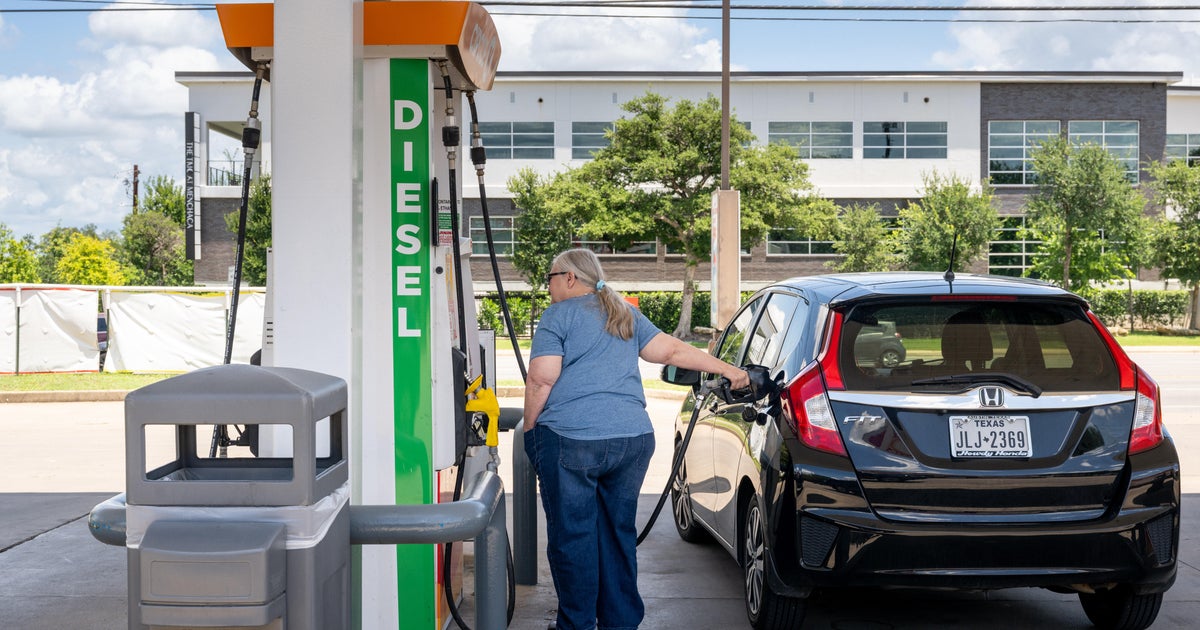
AAA reported the U.S. national average price for a gallon of regular gasoline fell to $3.99 on Thursday, the lowest since March 30 and the first time below $4 in nearly three months. Prices had risen by more than $1 since the war in Iran began on Feb. 28 but have receded in recent weeks as global crude oil prices dropped. A memorandum of understanding between the U.S. and Iran to end the conflict has reopened the Strait of Hormuz; after the agreement was formally signed, at least 10 commercial vessels transited the waterway. Brent crude fell about 1.4% to $78.46 a barrel and West Texas Intermediate fell about 2.2% to $75.10 a barrel. Petroleum analyst Patrick De Haan of GasBuddy said gas prices could continue to decline, potentially falling below $3 a gallon by late 2026 or early 2027 if the U.S. and Iran continue on a positive path and Iran resumes oil exports, which could speed the recovery of global oil inventories.
Biblical Reflection
This report is primarily straightforward economic reporting: it links a concrete diplomatic development to measurable market changes and notes expert caution about future movement. The piece reflects a pragmatic, market-oriented worldview that treats peace as both a moral good and a driver of material relief. It is truthful in presenting current facts and attributing projections to named analysts, but it is conditional — predictions depend on continued de-escalation and resumed oil flows. The article does not explore broader ethical or long-term questions (human costs of the conflict, energy transition, or distributional effects on vulnerable households). From a Christian perspective, the news invites gratefulness for immediate relief and sober attention to how global events affect neighbors’ daily burdens; it also calls Christians to pray for lasting peace, to hold leaders accountable for justice in diplomacy, and to use any economic easing to care for those most strained by living costs rather than assume market changes alone secure flourishing.
Scripture in context
This outlook does not yet include contextual Scripture citations. Do not treat a general biblical theme as an exegetical conclusion.
Faithful Response
No prescribed response is offered. Consider the reflection prompts below in your own church context.
Reflection and Discussion
- 1Does the article focus primarily on economic indicators while overlooking human and moral consequences of the conflict it references?
- 2How does the framing of peace as a driver of market stability shape our priorities—are we tempted to value price relief more than long-term justice and reconciliation?
- 3Whom should we remember and support when market improvements arrive—who still bears the costs of the conflict despite lower prices?
Sources
Reporting links are evidence inputs; Sanctuary News' biblical reflection is commentary.
This outlook currently relies on fewer than two linked sources. Broaden verification before teaching from it.
- 1.Original reportprimary