News Summary
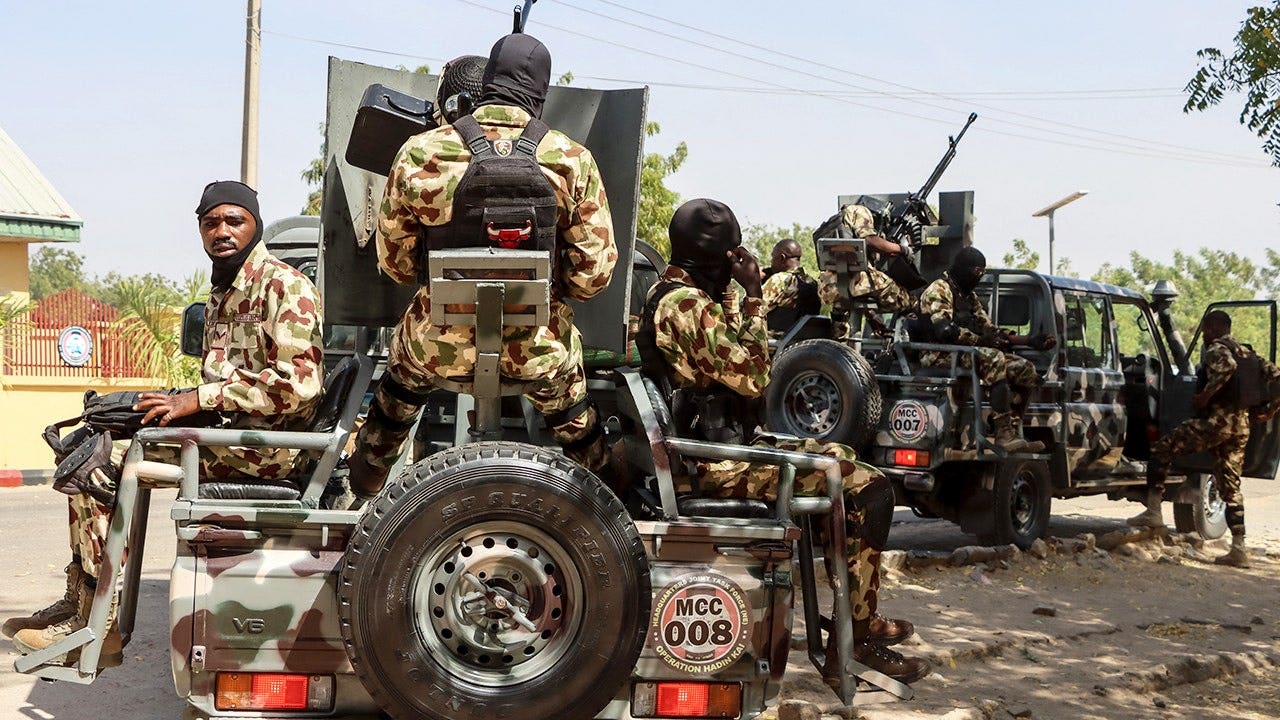
On April 8, 2026 the U.S. Department of State authorized the voluntary departure of non-emergency U.S. government employees and family members from the U.S. Embassy in Abuja, citing a "deteriorating security situation." The embassy said it will remain open but with limited ability to provide emergency services; the U.S. Consulate General in Lagos will continue routine and emergency services. The State Department reaffirmed its Level 3 travel advisory for Nigeria, warning of crime, terrorism, civil unrest, kidnapping, armed gangs, and inconsistent health care availability. The authorization followed recent violent attacks in the Shiroro area of Niger state (villages named Bagna and Erena), where residents told the Associated Press gunmen on motorcycles killed at least 20 people; local police gave a lower death toll. The report notes that U.S. military assets, including about 200 troops who arrived in February and reportedly MQ-9 Reaper drones deployed in late March, are providing training, intelligence, and advisory support to Nigerian forces. The article places the violence in the context of a broader security crisis in northern Nigeria involving Boko Haram, ISWAP (Islamic State West Africa Province), Lakurawa, and various bandit groups that engage in kidnappings and illegal mining. It also references prior U.S. political comments about violence against Christians in Nigeria and a November meeting between U.S. officials and Nigerian security leadership.
Biblical Reflection
What the article reports — an embassy permitting voluntary departures and U.S. military/diplomatic support — is consistent with a government response to rising local insecurity. The coverage mixes operational facts (travel warnings, troop and drone deployments, an embassy staffing decision) with contested local reporting (disputed casualty figures) and political commentary (accusations about targeted violence against Christians, prior U.S. threats to cut aid). From a Christian perspective, several points stand out: first, the reality of human suffering and insecurity described is antithetical to the biblical vision for human flourishing; violence, kidnapping, and terror injure the vulnerable whom Scripture calls believers to defend (Psalm 82:3–4). Second, readers should note how facts, eyewitness claims, official statements, and political framing can be woven together to produce different impressions — for example, emphasizing religious persecution vs. broader criminal insurgency can shape responses and policy. Third, Christians should be cautious about letting geopolitical partisanship or fearmongering substitute for sober discernment; verify contested details (like casualty counts and sources), recognize where reporting is provisional, and not weaponize suffering for political ends. Finally, the situation invites a pastoral response: lament for victims, prayer for protection and justice, advocacy for humanitarian support, and a posture that seeks both truth and reconciliation rather than escalating sectarian division.
Scripture in context
This outlook does not yet include contextual Scripture citations. Do not treat a general biblical theme as an exegetical conclusion.
Faithful Response
No prescribed response is offered. Consider the reflection prompts below in your own church context.
Reflection and Discussion
- 1Which sources in the article are eyewitnesses, local officials, or government spokespeople, and how do their differing accounts affect the certainty of reported facts (for example, casualty numbers)?
- 2How does the article’s framing (security threat, military response, religious-persecution angle) influence public perception and policy priorities — and what theological assumptions underlie those frames?
- 3Are we being invited to fear, to politicize suffering, or to respond with compassion and measured action; how does the Christian call to seek justice and peace reframe our interpretation of these events?
Sources
Reporting links are evidence inputs; Sanctuary News' biblical reflection is commentary.
This outlook currently relies on fewer than two linked sources. Broaden verification before teaching from it.
- 1.Original reportprimary