News Summary
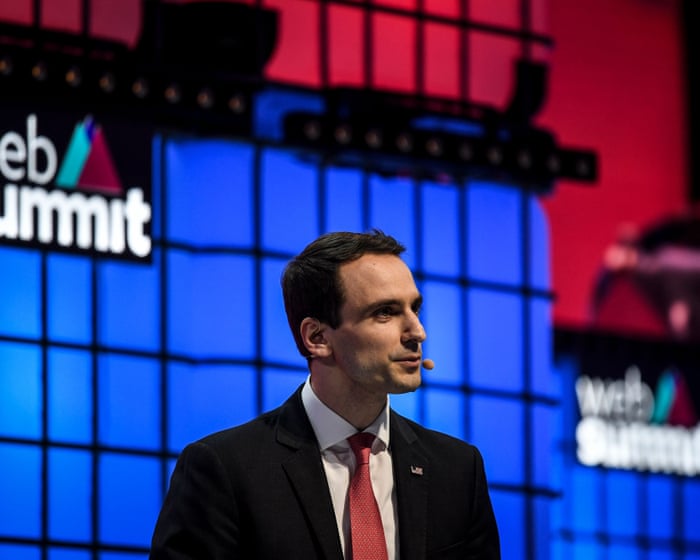
Reported facts: The Guardian reports the administration announced $5bn for an AI-driven science initiative spanning 15 agencies, with aims including disease research, drug discovery, and materials science; DOE computational resources are cited as available to scientists. Attributed claims: The article attributes program details and funding-priority changes to the administration and to comments by Michael Kratsios (via Reuters). Uncertainty: The Guardian article does not include the full program text, a list of the 15 agencies, the funding timeline or sourcing of funds, nor independent confirmation from official budget documents.
Source and Framing Analysis
The story is based on a single news report (The Guardian) that cites administration statements and a quoted interview with a senior adviser. The article frames the announcement around both the technical goals and a broader funding-priorities overhaul; that framing highlights potential institutional winners and losers (individual scientists and AI tools vs. universities). Material uncertainties that affect interpretation include the absence of a linked official budget document, no published implementation plan or agency list, and reliance on paraphrase of an external interview rather than primary administration documents.
Biblical Reflection
This announcement, if implemented as reported, represents a significant national choice about how scientific research will be funded and how technological power will be directed. Christians should welcome constructive investment in understanding disease and alleviating human suffering — goals that align with the biblical concern for healing and neighbor care — while remaining attentive to how power and resources are distributed and governed. Scripture consistently calls for wisdom in stewardship: public funding of science is a trust that should promote the common good, protect the vulnerable, and remain transparent.
At the same time, the pivot from university-centered funding toward AI infrastructure and support for individual researchers raises questions about accountability, equity, and the human ends of technological progress. AI is a powerful tool without moral vision; left unchecked, it can concentrate advantage, deepen inequalities, or prioritize efficiency over human dignity. Christians can therefore hold a posture of cautious hope: affirm the promise of science to serve human flourishing while demanding ethical guardrails, public transparency, and attention to those who might be disadvantaged by policy shifts.
Practically, faithful Christian response includes prayerful discernment, informed civic engagement, and advocacy for research priorities that protect life, dignity, and the common good — especially when government policy reshapes institutions and resources. We should press for clear accountability about how funds are spent, how research benefits are shared, and how the vulnerable will be cared for amid technological change.
Scripture in context
- 1James 1:5 — James addresses early Christian communities facing trials and practical needs, encouraging them to seek wisdom from God rather than relying solely on human understanding. — When public policy deploys powerful tools like AI in science, Christians should seek and pray for heavenly wisdom discernment about ends, methods, and consequences rather than embracing novelty uncritically.
Faithful Response
Pray for policymakers, scientists, and impacted communities, asking for wisdom and justice in implementation.
Seek reliable information: request or review official budget documents, program details, agency lists, and timelines before forming definitive opinions.
Advocate publicly for transparency, ethical oversight, and attention to equity so research benefits are widely shared and accountable.
Support partnerships between churches, local institutions, and scientists to ensure research priorities include the needs of vulnerable populations.
Reflection and Discussion
- 1How should Christians balance enthusiasm for technological solutions with concern for justice, equity, and human dignity when governments reshape research funding?
- 2Who stands to gain or lose from prioritizing AI infrastructure and individual researchers over traditional university-based research, and how should that possibility shape our public advocacy?
- 3What safeguards and transparency measures ought Christians advocate for so that large-scale scientific funding serves the common good rather than narrow interests?
Sources
Reporting links are evidence inputs; Sanctuary News' biblical reflection is commentary.
This outlook currently relies on fewer than two linked sources. Broaden verification before teaching from it.
Download source notes