News Summary
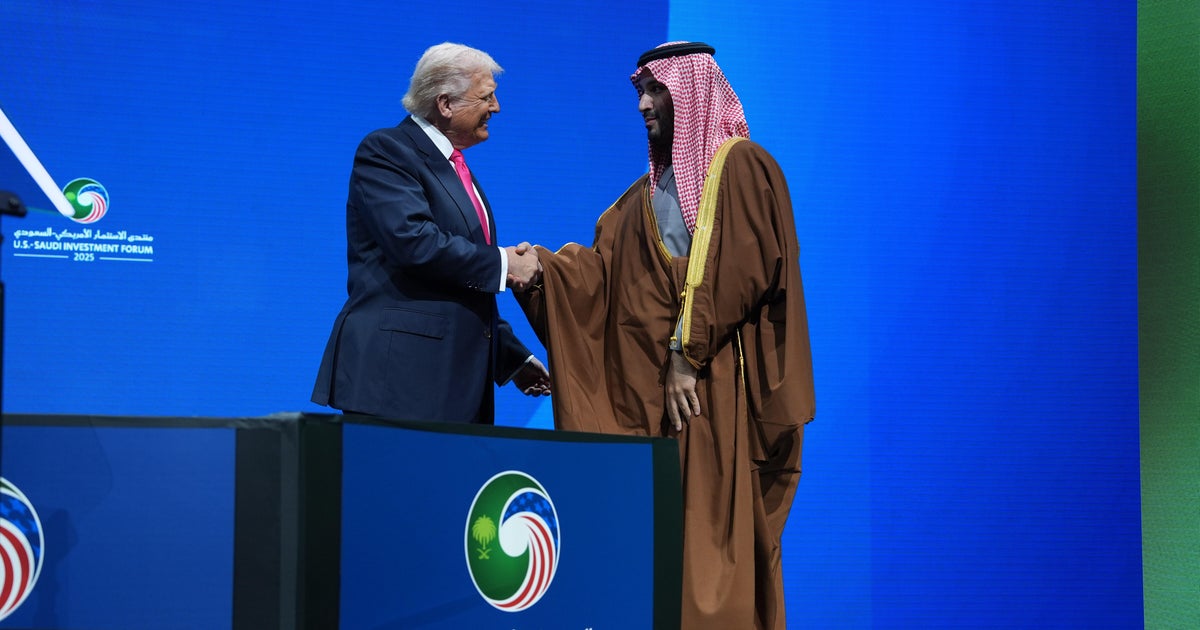
Reported facts: CBS News states the U.S. and Saudi Arabia are expected to sign a commercial agreement under which U.S. firms would run Saudi civilian nuclear power. The report also says the deal could allow Saudi Arabia to enrich fuel for its reactors. Attributed claims: the article frames the enrichment possibility as a potential outcome of the agreement. Uncertainties: the article does not provide the text of the agreement, details on enrichment limits or oversight, whether international safeguards (e.g., IAEA) will apply, timeline, or legal mechanisms.
Source and Framing Analysis
The supplied report is brief and framed around the headline development; it emphasizes the potential for Saudi enrichment but does not supply documentary details. That framing foregrounds proliferation concerns but lacks specifics about safeguards or governance that materially affect how consequential the reported possibility truly is.
Biblical Reflection
This development sits at the intersection of legitimate energy needs, international commerce, and regional security. Christians should note two realities: governments often balance economic and diplomatic interests with security risks, and technological transfers that impact the nuclear fuel cycle carry both civilian and potential military implications. The article presents a pragmatic diplomatic move but leaves crucial questions unanswered about transparency, oversight, and safeguards.
A Christian response should combine prudent concern and a commitment to truth and peace. We should insist on transparency and international oversight that reduce the risk of proliferation and regional instability, because loving our neighbor includes protecting them from the consequences of arms races and secretive policies. At the same time, we should avoid simplistic partisan outrage; rather, press for clear information, humanitarian foresight, and diplomatic channels that prioritize long-term stability over short-term commercial gains.
Spiritually, this story invites careful discernment: watch for narratives that prioritize profit or geopolitical advantage at the expense of justice and peace. Advocate for policies and practices that favor accountability, minimize risks to civilians, and support constructive international verification mechanisms that make honest cooperation possible.
Scripture in context
- 1Matthew 5:9 — Part of the Sermon on the Mount where Jesus teaches about the character of those who belong to God's kingdom; 'peacemakers' are presented as blessed and instruments of God's reconciliation in a broken world. — The passage calls Christians to pursue peace and reconciliation in public life, which here suggests we should support policies and oversight that reduce the risk of conflict and build trust between nations.
Faithful Response
Pray for wisdom for officials and for the safety of civilians in the region.
Seek reliable information and encourage public transparency about any international nuclear agreements and safeguards.
Advocate to elected representatives for clear, enforceable nonproliferation measures and independent verification before supporting related commercial arrangements.
Support humanitarian and peacebuilding organizations that reduce regional tensions and address needs likely aggravated by insecurity.
Reflection and Discussion
- 1Does advocating for energy cooperation require different moral evaluation than advocating for military assistance, and why?
- 2What specific forms of independent oversight would reflect loving our neighbor in this context?
- 3How can Christians hold public officials accountable for transparency without reducing complex diplomacy to simplistic slogans?
Sources
Reporting links are evidence inputs; Sanctuary News' biblical reflection is commentary.
This outlook currently relies on fewer than two linked sources. Broaden verification before teaching from it.
- 1.U.S. reaches deal with Saudis for nuclear energy commercial agreementsprimary_reporting