News Summary
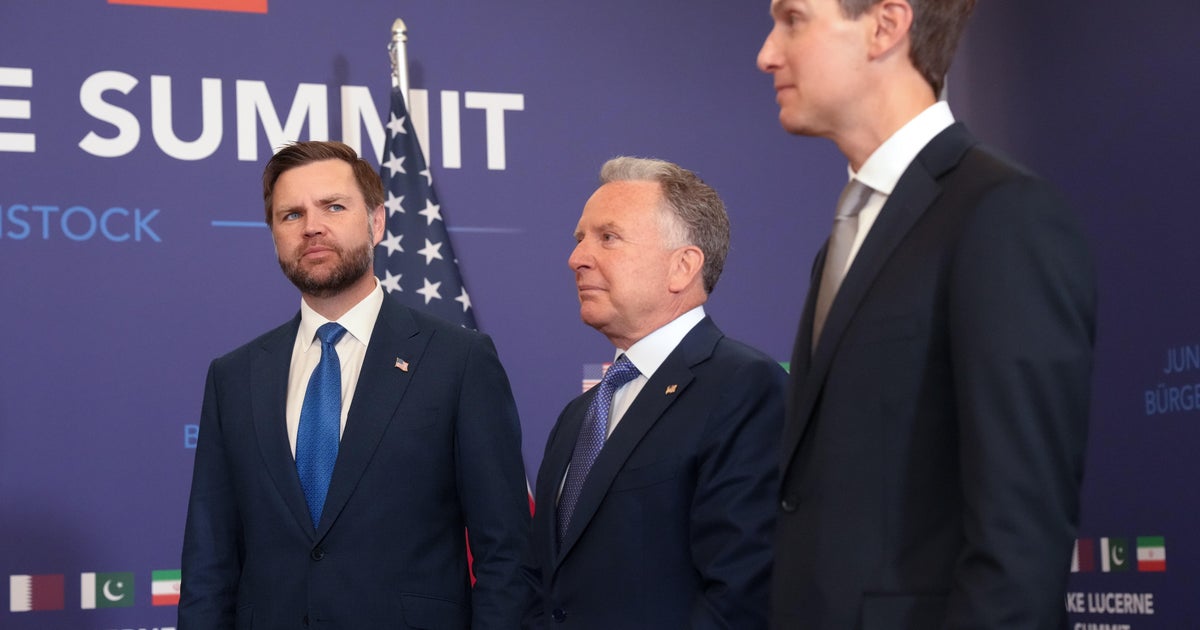
U.S. and Iranian delegations met in Switzerland for an 18-hour first round of talks mediated by Pakistan and Qatar. Participants included U.S. Vice President J.D. Vance; Iran's foreign ministry reported the session ran from about 9:00 a.m. Sunday to about 3:00 a.m. Monday. Mediators said the two sides agreed to establish a direct line of communication and a “de-confliction cell” intended to avoid incidents in the Strait of Hormuz and to help enforce a termination of military operations in southern Lebanon under a recent memorandum of understanding. U.S. officials said discussions covered clarifying Iran’s messaging on the Strait, building deconfliction mechanisms, enforcing a Lebanon ceasefire, and elements of the nuclear deal, and that technical talks will continue. Pakistani and Qatari mediators described the summit as “positive” and said “encouraging progress” was made; Iran’s foreign minister called the de-confliction cell a test of the agreement. The meetings coincided with market moves—oil prices fell on optimism—and were shadowed by public threats from President Trump about further strikes and Iranian warnings of readiness to respond, which mediators said briefly raised uncertainty but did not stop talks from proceeding.
Biblical Reflection
This report documents a cautious diplomatic opening that, if sustained, reduces immediate risks to commercial shipping and lowers the chances of broader military escalation. The article largely reports official statements from mediators and participants; readers should note most claims are framed through government spokespeople and mediators, so independent verification of details and implementation will be important. The moral stakes are high: de-escalation and protection of civilians align with Christian commitments to peace, neighbor-love, and the protection of the vulnerable. At the same time, true peace requires justice and accountability for harms already done; diplomatic progress that only pauses violence without resolving root causes may be fragile. Christians should welcome efforts that reduce harm and buy space for justice, while praying and advocating for honest accountability, humanitarian access, and long-term measures that protect civilians and promote stability.
Scripture in context
This outlook does not yet include contextual Scripture citations. Do not treat a general biblical theme as an exegetical conclusion.
Faithful Response
No prescribed response is offered. Consider the reflection prompts below in your own church context.
Reflection and Discussion
- 1Whose voices are shaping the public narrative here—official mediators and state spokespeople—and who is missing from the conversation (civilians, displaced people, independent monitors)?
- 2Does this diplomatic progress focus mainly on managing violence, or are there signs it will address the underlying injustices and grievances that fuel the conflict?
- 3How should Christians balance gratitude for reduced violence with the need to hold leaders accountable for protective, just policies toward civilians?
Sources
Reporting links are evidence inputs; Sanctuary News' biblical reflection is commentary.
This outlook currently relies on fewer than two linked sources. Broaden verification before teaching from it.
- 1.Original reportprimary